
Pests and Diseases
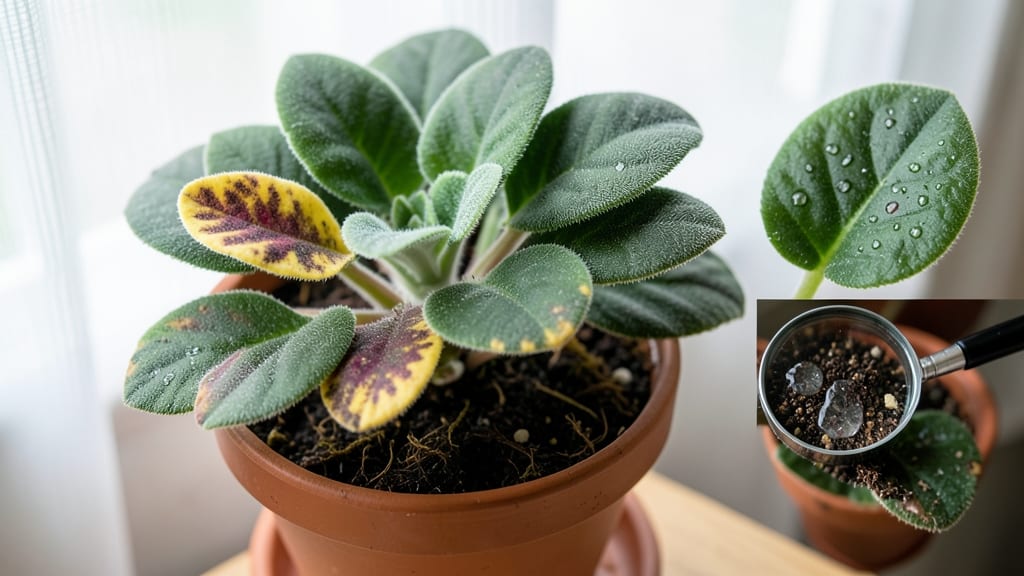
African violet leaf discoloration—those ugly brown spots or yellow patches—usually means fungal spots are moving in. 🌱 I’ve battled this myself, and the good news is it’s fixable without harsh chemicals. The key is catching it early, identifying the real cause (overwatering? pests? low light?), and acting fast.
Start by checking the soil—if it’s soggy, that’s your first clue. Then flip those leaves over: fungal spots often start on the undersides. Once you confirm it’s fungal, isolate the plant to stop the spread. Prune affected leaves with clean scissors, and never reuse pots without sterilizing them.
With the right organic remedies (like neem oil or copper fungicide), you’ll see fresh green growth within 2-3 weeks. The secret is consistency—keep humidity in check, avoid wetting leaves when watering, and give your violets bright, indirect light. Prevention is easier than cleanup.
Here’s the thing—most discoloration comes from care mistakes, not just fungus. Overwatering is the #1 culprit, but underwatering or poor drainage can trigger stress that invites fungal infections. I’ve learned that African violets thrive when the soil stays lightly moist, not soaked, and they get bright light without direct sunburn.
Once you’ve treated the spots, focus on keeping your violets happy long-term. Rotate the pot weekly for even growth, dust the leaves gently, and fertilize lightly every 4-6 weeks. A healthy plant resists diseases better than a stressed one.
If the discoloration spreads despite your efforts, or if the stems turn mushy, it might be time to consult a local nursery or extension service. But in most cases, a little TLC brings them back to their vibrant purple glory.
Your violets will thank you with blooms that last for months.
Root Causes Of Leaf Discoloration
African violets are delicate beauties, and their leaves can turn into a colorful (but unwanted) canvas when something goes wrong. Understanding the science behind why those leaves lose their luster is the first step to reviving your plant.
Let’s break down the key culprits behind discoloration—from microscopic invaders to environmental mishaps—and why they trigger these unsightly changes.
Fungal pathogens like Botrytis cinerea (gray mold) or Alternaria species are notorious for causing spotted, yellowing, or brown patches on African violet leaves. These fungi thrive in high humidity (above 60%) and poor air circulation, creating the perfect damp, dark conditions to spread.
- How it happens:
- Fungal spores land on leaves, often through contaminated water, soil, or tools.
- Moisture lingers on the leaf surface, allowing hyphae (fungal threads) to penetrate leaf tissue.
- The fungus blocks chlorophyll production, leading to necrotic (dead) spots that expand rapidly.
- Gray mold also secretes enzymes that break down cell walls, causing soft, mushy lesions with a fuzzy gray coating.
- Why it’s worse:
- Fungal infections often start underground in the soil, meaning your plant may already be compromised before symptoms appear.
- Overwatering or crowded pots amplify fungal growth by trapping moisture against leaves.
African violets are tropical plants, but extreme heat, cold drafts, or inconsistent light can shock their leaves into discoloration. Think of it like a sunburn or frostbite—just for plants!
- Too much direct sun (sunburn): - UV rays oxidize chlorophyll, causing bleached white or yellow patches (often on upper leaves). - Leaves may develop crispy, papery edges as cells dry out. - Why? African violets prefer bright, indirect light (like an east-facing window).
Direct midday sun acts like a magnifying glass.
- Cold stress or drafts:
- Temperatures below 60°F (15°C) or sudden drafts (e.g., near AC vents) trigger chlorosis (yellowing between veins).
- Why? Cold disrupts photosynthesis enzymes, and water in leaf cells expands, rupturing cell walls.
- Brown, wilted edges often signal cold damage or transpiration stress (when roots can’t keep up with water loss).
- Inconsistent light cycles:
- Plants exposed to long nights or erratic light may develop purplish or reddish hues (anthocyanins) as a stress response.
- Why? These pigments act as sunscreen when chlorophyll can’t keep up with light fluctuations.
African violets hate soggy roots, and overwatering is the #1 way to turn their leaves into a soupy, discolored mess. Root rot (Phytophthora or Pythium fungi) is the usual culprit, but even poor drainage can cause yellowing, wilting, and blackened stems.
- How it starts: - Waterlogged soil cuts off oxygen to roots, forcing them to ferment (yes, like beer!) and release toxic byproducts. - Fungal root rot blocks water and nutrient uptake, causing leaves to yellow from the bottom up. - Black, mushy stems at the soil line?
That’s a classic rot symptom—the fungus has moved upward.
- Why it spreads:
- African violets need well-draining soil (like a mix of peat, perlite, and vermiculite).
- Plastic pots without drainage holes trap water, creating a fungal buffet.
- Pro tip: Stick your finger in the soil—if the top 2 inches stay wet for more than 2 days, you’re overwatering.
Discoloration can also be a cry for help from your plant’s diet. African violets are light feeders, and nutrient excess or deficiency shows up in their leaves like a traffic light system.
| Symptom | Likely Cause | What’s Happening |
|---|---|---|
| Yellow leaves (older first) | Nitrogen deficiency | Chlorophyll can’t form; plant cannibalizes older leaves for nutrients. |
| Purple stems/leaves | Phosphorus deficiency or cold stress | Plant struggles to produce energy; anthocyanins act as a backup pigment. |
| Brown leaf tips | Calcium deficiency or over-fertilizing | Cell walls weaken; tips dry out or develop necrotic spots from salt buildup. |
| Dark green, stunted growth | Too much nitrogen or poor light | Plant grows leafy but weak, with thick, dark foliage (a sign of stress). |
- Why fertilizers backfire:
- Over-fertilizing (especially with synthetic mixes) leads to salt buildup in soil, burning roots and causing brown, crispy edges.
- Fix: Flush soil with water every 2–3 months to prevent salt accumulation.
Pests like spider mites, aphids, or thrips don’t just suck sap—they inject toxins that cause yellowing, stippling, or silvery webbing. Their damage weakens leaves, making them more susceptible to fungal infections.
- How pests trigger discoloration:
- Spider mites (tiny red spiders) pierce cells, causing yellow stipples that turn brown.
- Aphids excrete honeydew, a sticky sugar that promotes sooty mold (a black fungal film).
- Thrips scratch leaves with their serrated mouths, leaving silver streaks and distorted growth.
- Why it’s sneaky:
- Pests often hide on the undersides of leaves, so you might miss them until the damage is visible.
- Early sign: Speckled leaves or fine webbing—time to inspect with a magnifying glass!
Fixing Fungal Spots Naturally
African violets are delicate beauties, and when their leaves start showing unsightly discoloration—like dark spots, yellowing, or fuzzy growth—it’s time to act. The good news? Most fungal issues (like leaf spot diseases) respond well to gentle, organic fixes when caught early.
Below, we’ll break down targeted solutions for each likely cause, along with prevention tips to keep your violets thriving.
If your African violet’s leaves have dark, water-soaked spots that expand over time, fungal spot disease is likely the culprit. Here’s how to tackle it:
🔥 Step 1: Isolate the Plant
Fungal spores spread quickly! Move the affected violet to a quarantine spot (like a sunny windowsill or greenhouse) away from other plants. This prevents cross-contamination.
🍳 Step 2: Prune the Damage
Use sterilized scissors (wipe with rubbing alcohol) to:
- Snip off severely infected leaves (at least ¼ inch below the spot).
- Remove any yellow or mushy growths—these are hotspots for spores.
👨🍳 Step 3: Apply a Fungicide Spray
Mix one of these organic fungicide solutions and spray both sides of the leaves (early morning or evening to avoid sunburn): - Neem Oil Spray: 1 tsp neem oil + ½ tsp mild soap + 1 quart water.
Shake well and spray until damp. - Baking Soda Solution: 1 tsp baking soda + 1 quart water + a few drops of dish soap (reduces surface tension). Spray lightly. - Copper Fungicide: Follow label instructions for a pre-mixed organic copper spray.
🥘 Step 4: Improve Airflow & Hygiene Fungi love humidity and stagnant air.
Boost recovery by: - Spacing pots 2–3 inches apart to improve airflow. - Wiping leaves weekly with a damp cloth to remove dust and spores. - Watering at the base (never overhead) to keep leaves dry.
⏰ Step 5: Repeat Treatments
Fungal diseases often need 2–3 applications, spaced 5–7 days apart, until new growth is healthy.
Yellowing leaves with soft, mushy spots or wilting? Overwatering or compacted soil may be the issue. Fix it fast:
💡 Step 1: Check the Soil
Press your finger 1 inch into the soil. If it’s soggy:
- Repot immediately into a well-draining mix (African violet soil + perlite or orchid bark).
- Choose a pot with drainage holes (terracotta is ideal).
🔥 Step 2: Adjust Watering Habits African violets hate wet feet!
Follow this rule: - Water only when the top ½ inch of soil is dry. - Use room-temperature water and bottom-water (place the pot in a tray of water for 10 mins, then drain). - Never let the plant sit in standing water.
🎯 Step 3: Boost Drainage Long-Term
- Add a layer of charcoal or coarse sand at the bottom of the pot before repotting.
- Elevate pots on feet or pebbles to prevent water pooling.
If discoloration looks like bleached patches or pale yellowing, your violet may be getting too much sun or lacking nutrients.
🌿 Step 1: Adjust Light Exposure
African violets need bright, indirect light (east or north-facing windows are best).
- Move the plant further from the window if leaves look scorched.
- Use sheer curtains to diffuse harsh sunlight.
💪 Step 2: Fertilize Gently
Yellowing between veins often signals nitrogen deficiency. Use:
- A balanced liquid fertilizer (10-10-10 or 20-20-20) diluted to half strength.
- Feed every 4–6 weeks during spring/summer (skip winter).
- Flush the soil with water after 2 months to prevent salt buildup.
🍎 Step 3: Check for Pests
Tiny white or black specks on leaves? Spider mites or mealybugs can cause discoloration.
- Wipe leaves with a soapy water cloth (1 tsp mild soap + 1 quart water).
- Spray with neem oil if infestation persists.
Once your African violet recovers, prevent future discoloration with these habits:
- Rotate pots weekly for even light exposure.
- Dust leaves monthly with a soft brush or damp cloth.
- Avoid cold drafts (keep away from AC vents or open windows in winter).
- Repot every 6–12 months to refresh soil nutrients.
- Inspect new plants before adding them to your collection.
By addressing the root cause (literally!) and acting quickly, your African violet’s leaves should bounce back to their vibrant purple glory in no time. 🌸 With a little TLC, you’ll have a spot-free, thriving plant that keeps blooming season after season!
Frequently asked questions
Why do African violet leaves turn yellow first?
Yellowing leaves usually signal nutrient deficiencies (like nitrogen) or overwatering. African violets often drop older leaves first because they're cannibalizing nutrients from them. Check soil moisture—if it stays wet for more than 2 days, you're likely overwatering. Yellowing between veins specifically suggests iron or magnesium deficiency, while yellowing with brown edges often means salt buildup from fertilizer.
Can I save my African violet if half the leaves are brown and mushy?
It depends on the cause! If it's fungal infection, prune the damaged leaves (use sterilized scissors) and treat with neem oil or copper fungicide. For root rot, repot immediately in fresh, well-draining soil and reduce watering. If the stems are mushy at the base, the plant may already be too far gone. Act fast—healthy leaves can regrow if the roots are still viable!
How often should I spray neem oil on my African violets?
Apply neem oil every 7-10 days for active fungal issues, then switch to monthly prevention once the plant recovers. Always spray in the evening to avoid sunburn, and cover the soil with plastic to protect roots. Mix 1 tsp neem oil + ½ tsp mild soap per quart of water—the soap helps the solution stick to leaves.
Why do my African violet leaves get brown tips even when I water properly?
Brown tips often mean low humidity (below 40%) or fluoride buildup from tap water. Increase humidity by placing the pot on a tray of pebbles with water, or use a humidifier. For water, try filtered or distilled water instead of tap. Also check your fertilizer—too much salt can cause similar damage. Flush the soil every 2-3 months to prevent buildup.
Is it safe to use hydrogen peroxide on African violet leaf spots?
Yes! A 3% hydrogen peroxide solution (1 part peroxide to 3 parts water) is safe and effective for spot treatment. Spray lightly on affected areas—it acts as a natural fungicide while oxygenating the soil. Test on one leaf first, and avoid using it more than once every 2 weeks. Never use higher concentrations, as they can burn leaves.