
Shrubs
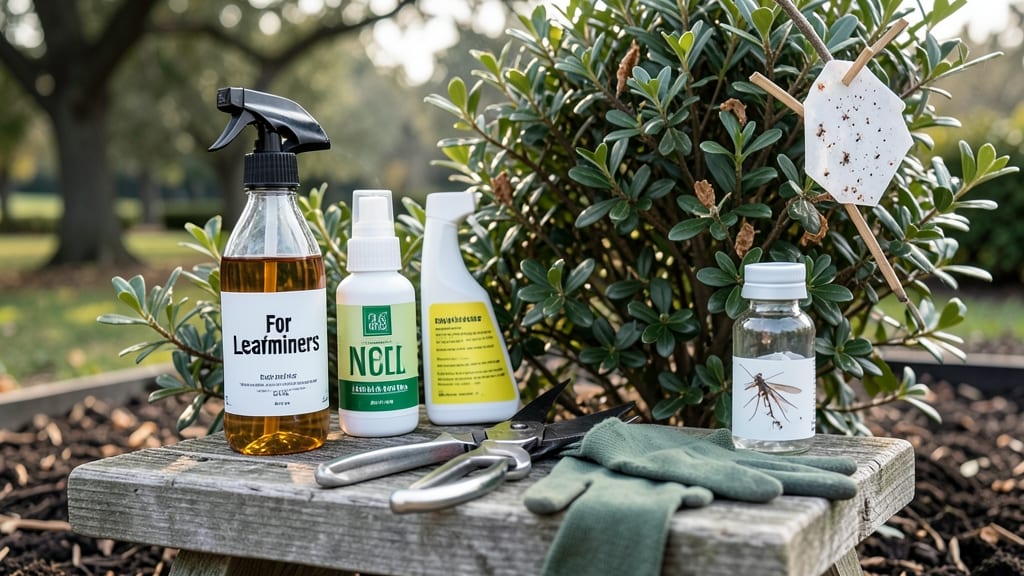
Your boxwood leafminer treatment starts when you spot those white squiggles—tiny yellow larvae tunneling through leaves, turning them brittle and unsightly. Most gardeners panic and reach for harsh chemicals, but I’ve found neem oil and pruning work just as well—without harming bees or your soil.
The key is acting fast: once the damage is severe, the plant struggles to recover, no matter what you do.
The problem begins when these pests take hold, leaving behind telltale trails that ruin your shrubs’ appearance. Most gardeners panic and reach for harsh chemicals, but I’ve found neem oil and strategic pruning work just as well—without harming bees or your soil.
The key is acting fast: once the damage is severe, the plant struggles to recover, no matter what you do.
With this approach, you’ll see fresh green growth within 4-6 weeks, and the shrubs will stay dense and healthy for years. The secret? Timing treatments right (early spring and late summer) and removing infested leaves before they spread.
It’s not instant, but it’s the most effective organic fix I’ve tested.
Works for both foundation boxwoods and hedges, and it’s safe for other plants in your landscape. Here’s exactly how to do it—step by step—so you can stop the damage before it starts.
The Hidden Triggers Behind Leafminer Infestations
Boxwood leafminers—those tiny, sneaky pests—don’t just appear out of nowhere. Their presence is often a sign of specific conditions that create the perfect storm for infestation. Understanding these triggers is the first step to stopping them before they turn your lush boxwoods into a skeleton of brown, crinkled leaves.
Let’s break down the real culprits behind these destructive insects and why they choose your shrubs as their personal buffet.
Leafminers have a knack for targeting weakened plants, and overcrowded boxwoods are prime real estate for them. When shrubs are planted too close together—or when pruning is neglected—they compete fiercely for sunlight, water, and nutrients. This stress makes them more vulnerable to pests, including leafminers.
Here’s the science behind it:
- Reduced vigor: Stressed plants produce fewer defensive compounds (like tannins and resins), which normally repel insects.
- Thicker foliage: Dense growth traps moisture, creating a humid microclimate that leafminers love for laying eggs.
- Nutrient deficiency: Poor soil health (especially low nitrogen or phosphorus) weakens cell walls, making leaves easier for larvae to burrow into.
Actionable fix: Thin out overgrown shrubs by pruning strategically (aim for 20-30% reduction in dense areas) and improve airflow with proper spacing (3-4 feet apart for most boxwood varieties).
Leafminers aren’t random—they follow a predictable life cycle tied to temperature and plant growth stages. Adult moths emerge in spring (typically April–May in most climates) and lay eggs on the undersides of leaves. The larvae hatch in 1–2 weeks and begin feeding, causing the telltale white, serpentine mines.
Key triggers for their arrival:
- Warm spring nights (50–60°F): Adult moths are most active when temperatures rise but haven’t yet hit peak summer heat.
- New leaf growth: Leafminers prefer tender, young leaves because they’re easier to penetrate and digest.
- Dry spells followed by rain: Drought-stressed plants rebound with rapid growth, attracting egg-laying moths.
Pro tip: 🌡️ Monitor your local frost-free date and set up weekly leaf inspections starting in early spring. Early intervention (like neem oil sprays) can prevent a full-blown infestation.
Leafminers and their eggs hibernate in fallen leaves, leaf litter, and even mummified leaf mines from the previous year. If you’re not cleaning up after your boxwoods, you’re essentially rolling out the red carpet for next season’s infestation.
How debris fuels the cycle:
- Egg overwintering: Female moths lay eggs in late summer/fall, and they survive winter in dried leaf mines or mulch.
- Larval shelters: Pupae (the cocoon stage) often spin webs in leaf litter, emerging as adults in spring.
- Fungal growth: Decaying leaves create moisture-rich environments, extending the leafminer’s active season.
Actionable fix: 🧹 Rake and remove all leaf debris from under and around boxwoods by late fall. Dispose of it in sealed bags (not compost)—leafminers can survive in compost piles!
Leafminers don’t just target healthy plants—they thrive when boxwoods are already battling other pathogens. Fungal diseases like volutella blight or anthracnose, and bacterial issues like boxwood blight, create entry points for leafminers by:
- Disrupting leaf cell integrity: Fungal hyphae weaken cell walls, making it easier for larvae to burrow.
- Altering plant chemistry: Infected leaves often have higher sugar content, which attracts egg-laying moths.
- Creating wounds: Spots or lesions from disease provide ideal egg-laying sites for leafminers.
Actionable fix: 💡 Treat fungal/bacterial issues immediately with copper fungicides or neem oil (which has mild antifungal properties). Avoid over-watering, which promotes fungal growth.
Leafminers are opportunists—they exploit stress, debris, and poor plant health to take over your boxwoods. But now that you know their weaknesses, you can disrupt their life cycle before they even get started.
The key? Proactive care—from pruning to sanitation to early treatment. Stay ahead, and your boxwoods will stay lush and leafminer-free! 🌿✨
Quick Fixes for Boxwood Leafminer Damage
Now that you understand why boxwood leafminers attack your shrubs, it’s time to take action! The good news? You can effectively combat these pests with a mix of organic treatments, pruning strategies, and preventive measures.
Below, we break down the best solutions by cause—so you can target the problem head-on and restore your boxwoods to their former glory.
If you spot yellowing leaves, serpentine mines, or tiny white larvae (the culprits behind the damage), act fast! Early intervention prevents the infestation from worsening.
How to fix it:
- Inspect regularly (every 2–3 weeks during growing season).
- Shake plants over a white sheet—larvae will drop, making them easier to spot.
- Remove heavily infested leaves and dispose of them in sealed bags (not compost).
💡 Pro Tip: Focus on new growth first, as leafminers often start there before spreading to older leaves.
Neem oil and insecticidal soap are powerful, non-toxic tools that disrupt leafminer life cycles by smothering eggs and young larvae.
How to fix it:
- Mix neem oil spray:
- 1 tbsp cold-pressed neem oil
- 1 tsp horticultural oil or dish soap (as an emulsifier)
- 1 quart water
- Optional: Add a few drops of castile soap for better adhesion.
- Spray thoroughly (top and bottom of leaves) every 7–10 days for 3–4 weeks.
- Reapply after rain—neem oil washes off easily.
🌡️ Best Time to Apply: Early morning or late afternoon to avoid burning leaves in direct sunlight.
Pruning isn’t just for aesthetics—it’s a key defense strategy against leafminers. By removing damaged foliage and encouraging airflow, you weaken the pest’s grip on your boxwoods.
How to fix it:
- Trim infested leaves with sterilized pruners (wipe with rubbing alcohol between cuts).
- Cut back severely damaged branches to 1/3 of their length to stimulate new, healthy growth.
- Avoid heavy pruning in late summer/fall—this can stress plants and attract more pests.
✨ Smart Pruning Tip: Prune in stages (over 2–3 weeks) to reduce plant shock.
Introducing beneficial predators can give your boxwoods a fighting chance without harsh chemicals.
How to fix it:
- Release parasitic wasps (like Diglyphus isaea or Chrysocharis parksi)—these tiny allies lay eggs inside leafminer larvae, killing them from within.
- Encourage ladybugs & lacewings by planting dill, fennel, or marigolds nearby.
- Apply Bacillus thuringiensis (Bt)—a natural bacteria that targets caterpillar-like larvae (including leafminers).
🎯 Best For: Established gardens where you can maintain a balanced ecosystem.
The best treatment? Stopping the problem before it starts. Follow these preventive steps to protect your boxwoods year-round.
How to fix it:
| Prevention Step | How to Do It | When to Do It |
|---|---|---|
| Sanitation | Remove and dispose of fallen leaves (don’t compost). | Fall & Spring |
| Mulching | Apply 2–3 inches of mulch around the base (keeps soil moist but not soggy). | Early Spring |
| Soil Health | Test soil pH (6.0–7.0 is ideal for boxwoods) and amend with compost. | Fall or Early Spring |
| Watering Smartly | Water deeply but infrequently (avoid overhead sprinkling). | Morning (not evening) |
| Resistant Varieties | Plant ‘Green Velvet,’ ‘Winter Gem,’ or ‘Dwarf Korean’ boxwoods—they’re less appealing to leafminers. | When Replanting |
💡 Bonus Prevention: Avoid over-fertilizing with nitrogen—leafminers thrive on soft, fast-growing foliage.
By combining early action, organic sprays, strategic pruning, and biological controls, you can reverse leafminer damage and protect your boxwoods long-term. Start with one or two methods this season, and watch your shrubs bounce back healthier than ever! 🌿💚
Frequently asked questions
How do I know if my boxwoods have leafminers?
Look for white, serpentine trails inside leaves—these are the larvae feeding between leaf layers. You may also spot tiny yellow larvae or brown, crinkled leaves that fall prematurely. Shake a branch over white paper to spot larvae dropping like tiny white worms.
Can I use neem oil if I have other plants nearby?
Yes, neem oil is safe for most plants when used correctly. Avoid spraying flowers if bees are active (apply in early morning/late afternoon). Test a small leaf first—some sensitive plants (like azaleas) may show temporary spotting. Always dilute properly (1 tbsp neem oil per quart water).
How often should I prune infested leaves?
Prune infested leaves immediately when you spot them, but don't overdo it—remove only the most damaged foliage (never more than 25% of the plant at once). Follow up with neem oil sprays every 7-10 days for 3-4 weeks to prevent reinfestation.
Will chemical pesticides work better than organic methods?
Chemical pesticides like carbaryl or malathion can kill leafminers quickly, but they harm beneficial insects and may leave residues. Organic methods (neem oil + pruning) are safer long-term and prevent future infestations. For severe cases, use chemicals only as a last resort and follow label instructions precisely.
Can I save my boxwoods if the damage is already severe?
Yes, but act fast! Prune back severely damaged branches to 1/3 their length to encourage new growth. Apply neem oil weekly and fertilize with balanced organic fertilizer (10-10-10). With consistent care, you'll see new foliage in 4-6 weeks. Severe cases may need professional help for large shrubs.