
Plants
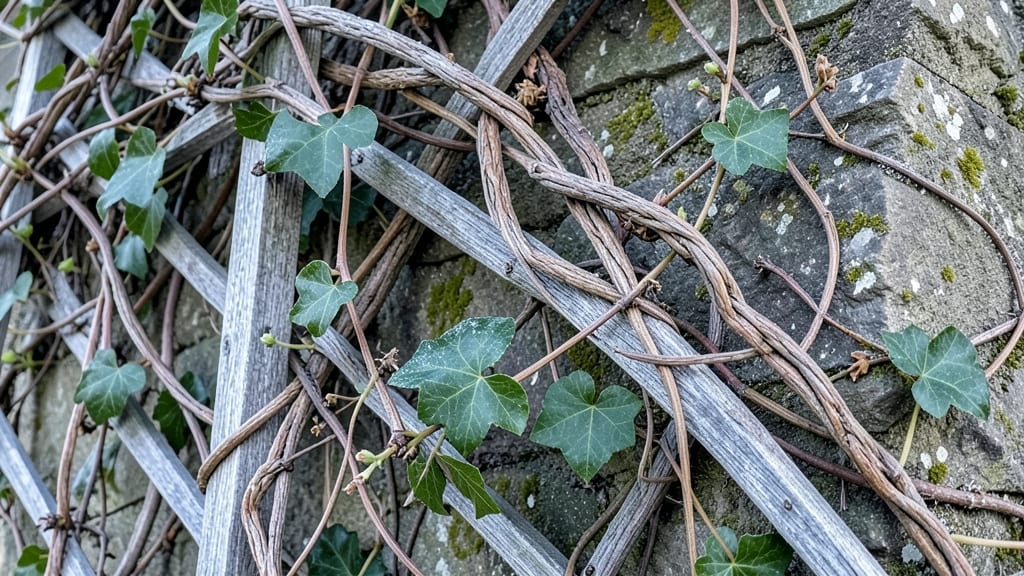
The five-leaf Virginia creeper (Parthenocissus quinquefolia) transforms any garden with its stunning autumn colors and easy-care nature. Learn expert pruning techniques and seasonal care tips to keep this versatile vine thriving year-round, from spring growth spurts to winter dormancy.
Springtime Pruning for Healthy Vine Growth
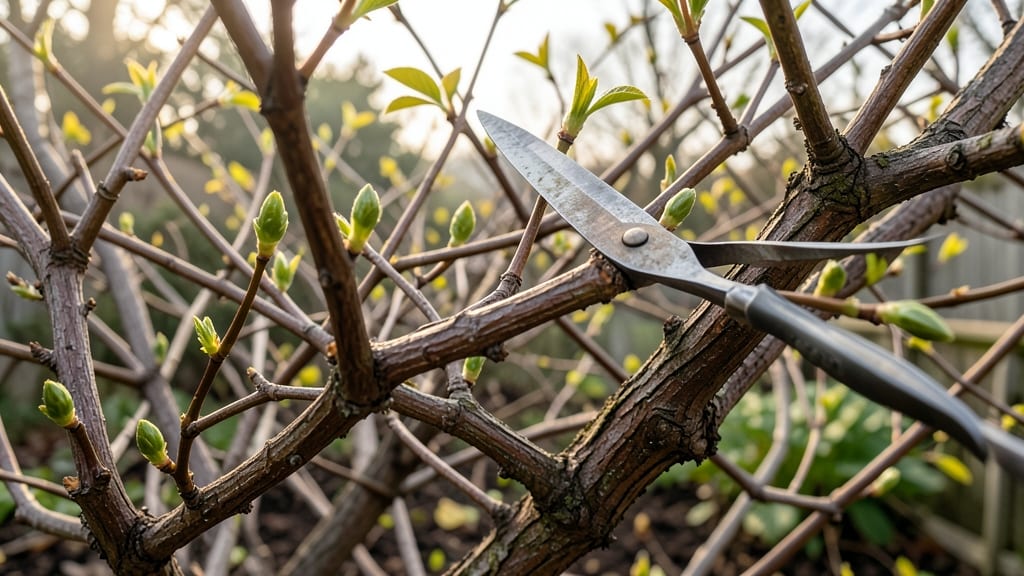
Spring is the perfect time to give your Virginia creeper a fresh start—this simple pruning step removes winter damage and sets the stage for vibrant summer growth. Focus on cutting back any dead or brown stems to the first set of healthy buds, which encourages new shoots to emerge stronger and fuller.
Use clean, sharp pruners to make cuts at a 45-degree angle just above a leaf node, which helps water run off and prevents rot. Avoid over-pruning—remove only one-third of the vine at a time to avoid stressing the plant. This early-season task is especially helpful for first-time growers, as it simplifies maintenance while ensuring your vine thrives all season long.
This approach keeps your Virginia creeper looking its best while preventing overgrowth later in the year. Perfect for beginners, this method guarantees lush foliage with minimal effort. 🌿
Summer Trimming to Control Spread and Shape
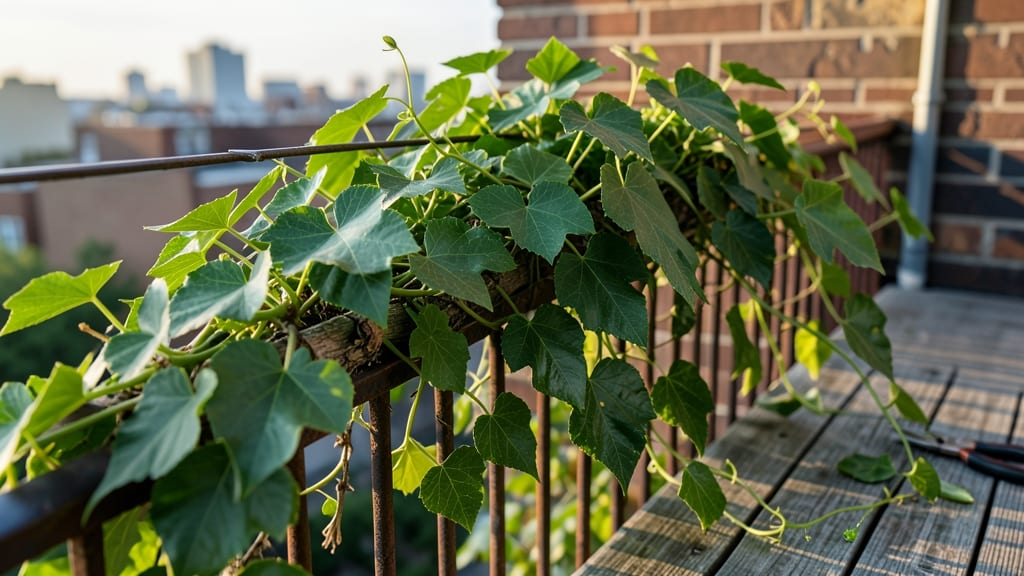
When your five-leaf Virginia creeper starts sprawling beyond its welcome, summer trimming becomes your secret weapon for keeping it contained—without sacrificing its beauty. Urban gardeners with limited space will love this monthly maintenance hack that tames unruly growth while encouraging denser foliage.
Use sharp pruning shears to trim back overlong vines by one-third in June and again in August, focusing on lateral shoots to control width. For trellises, prune to 3-4 feet apart to maintain structure, while ground covers benefit from cutting back wild tendrils to 6 inches. Always cut just above a leaf node to promote bushier growth.
This approach prevents the vine from overwhelming neighboring plants or structures, making it ideal for balconies, patios, or small yards. Plus, the healthier shape means more vibrant autumn colors later. 🌿
Autumn Color Preservation Techniques
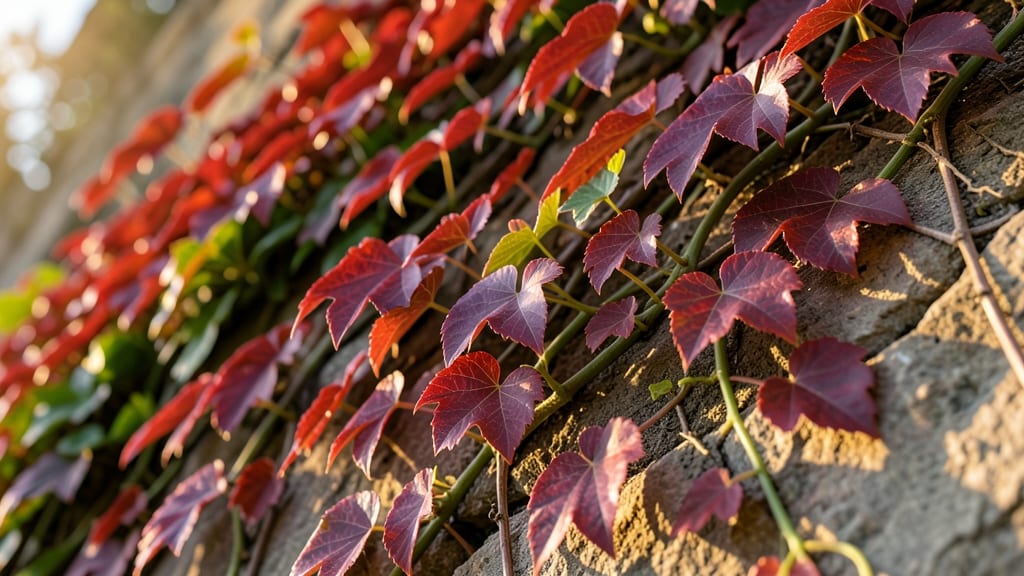
Photographers and landscape designers know that Virginia creeper's autumn foliage—those fiery reds and purples—is a seasonal showstopper. But did you know you can extend that vibrant display by weeks with just a few science-backed tweaks?
First, prioritize balanced soil moisture—consistent hydration prevents stress-induced early leaf drop. Next, apply a light layer of mulch (2-3 inches) around the base to regulate soil temperature and retain moisture. For extra intensity, supplement with a low-nitrogen fertilizer (like 5-10-10) in early September to boost anthocyanin production—the pigments responsible for those stunning hues. Prune any dead or overcrowded stems in late summer to redirect energy to healthy foliage.
These methods aren’t just for pros—even home gardeners can capture longer-lasting autumn color with minimal effort. Perfect for creating that "wow" factor in your seasonal photos or garden designs. 💚
Winter Dormancy Care and Protection
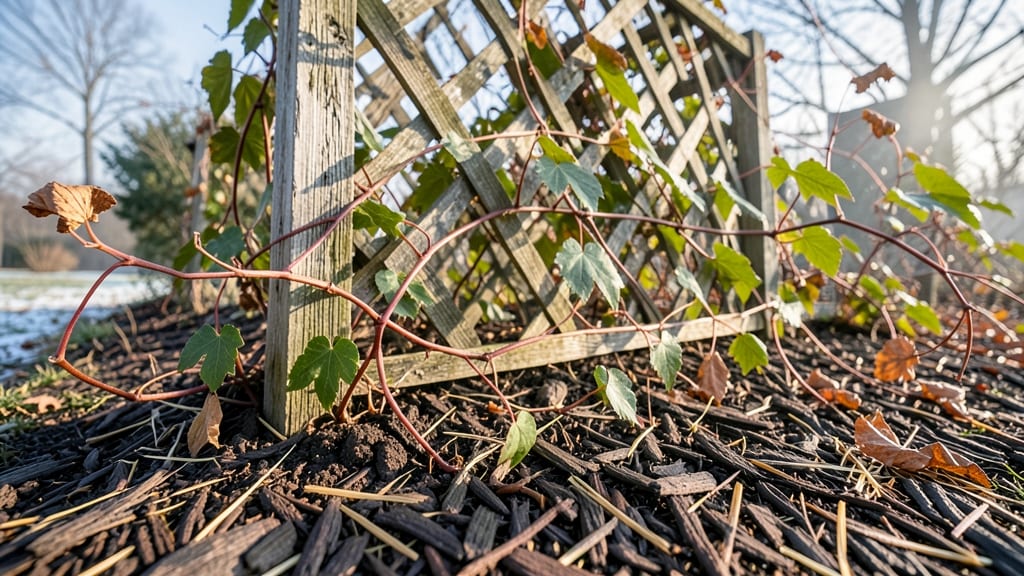
When winter arrives, your Virginia creeper enters a dormant phase—but that doesn’t mean it’s out of your hands. In USDA zones 3-6, where frost and snow are common, proper winter care ensures your vine emerges healthy and ready to climb in spring.
Start by applying a 3-4 inch layer of mulch around the base to insulate roots and retain moisture. For young vines or those in exposed areas, wrap the stems loosely with burlap or frost cloth to shield against harsh winds and sudden temperature drops. Avoid heavy pruning now—wait until early spring to remove dead or damaged growth.
This approach is especially valuable for gardeners in colder climates who want to protect their investment. With these simple steps, you’ll wake up to vibrant new growth come spring. ✨
Seasonal Fertilizing Schedule for Optimal Health
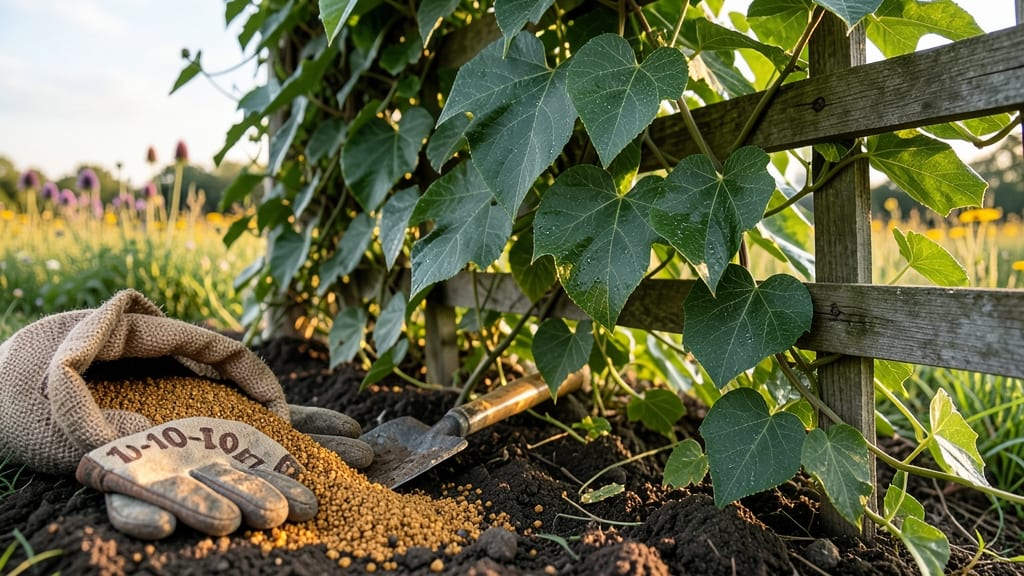
Want your Virginia creeper to burst with vibrant foliage and grow like a champion? A seasonal fertilizing schedule tailored to its needs is the secret weapon—especially for organic gardeners who prefer natural, slow-release nutrients.
Start in early spring with a balanced organic fertilizer (10-10-10) to fuel new growth. Mid-summer is the time for a phosphorus-rich boost (like bone meal) to support root development and flower buds. By late summer, switch to a potassium-focused fertilizer (like kelp meal) to enhance autumn color intensity. Avoid fertilizing in winter—let the vine rest.
This approach ensures your creeper stays healthy without overloading the soil. Perfect for those who love low-maintenance plants with big impact. 💚