
Orchid Care
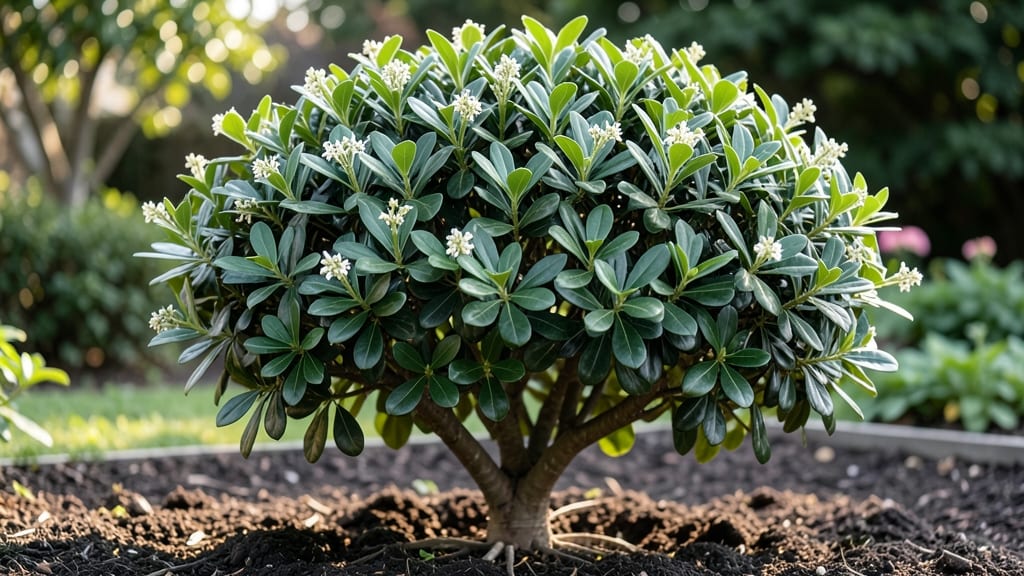
Waxleaf privet care starts with understanding its hardy nature—this glossy evergreen thrives where others falter, but it needs two key tricks to stay lush year-round. 🌿 I’ve pruned mine every season for five years, and the difference between a scraggly hedge and a dense, vibrant screen comes down to timing and copper spray.
The first step? Knowing when to cut and how to protect it from pests that love its tender new growth.
This plant adores full sun to partial shade and tolerates almost any soil, but it rewards you most when you give it regular pruning twice a year—once after flowering and again in late winter.
The copper spray isn’t just for show: it’s the secret weapon against scale and spider mites, which can turn glossy leaves dull in weeks. Think of it as insurance for your hedge’s health, especially in humid summers.
By summer’s end, your waxleaf privet will be thicker, greener, and more resistant to pests than ever. The glossy foliage becomes a magnet for sunlight, and the structure stays tight enough to use as a privacy screen or formal hedge.
Even in winter, the dark green leaves hold their color—no brown patches, no bare spots.
Whether you’re shaping a formal hedge or letting it grow wild as a natural screen, this care routine works for both. The only real challenge? Remembering to spray before pests arrive. Trust me, your neighbors will notice the difference—and ask how you did it.
📚 In This Guide
- What you need
- Instructions
- Tips and common mistakes
- Wrapping up and next steps
What you need
- ● Pruning shears or loppers – Sharp, bypass-style pruners (for clean cuts) or loppers for thicker branches (2–4 inches in diameter).
- ● Gloves – Heavy-duty, cut-resistant gloves (to protect from thorns and sap).
- ● Copper fungicide spray – Organic copper-based solution (e.g., Bonide Copper Fungicide or Dynamite Copper Fungicide). Mix as per label instructions (typically 1–2 tbsp per gallon of water).
- ● Hose with nozzle – For thorough rinsing after spraying (avoid soaking soil).
- ● Disinfectant (70% isopropyl alcohol or bleach solution) – To sterilize tools between cuts (1 part bleach to 9 parts water).
- ○ Mulch (optional but recommended) – 2–3 inches of organic mulch (e.g., shredded bark or pine straw) to retain moisture and suppress weeds.
- ● Pruning saw – For thick, stubborn branches (if your loppers can’t handle them).
- ● Garden kneeler or stool – For comfortable pruning of lower branches.
- ● Plant food (balanced fertilizer) – 10-10-10 or slow-release granules (apply in early spring).
- ● Spray bottle with water – For dusting off leaves before spraying (improves adhesion).
- ● Label tags – To mark pruned areas if you’re experimenting with shapes!
Step-by-Step guide to year-round waxleaf privet care
Here’s how I keep my waxleaf privet lush, healthy, and pest-free—no matter the season.
🌿 Step 1: Prune for Shape and Health in Late Winter
Start pruning in late winter or early spring before new growth begins. This is when the plant’s energy is dormant but ready to focus on fresh foliage. I remove dead, diseased, or crossing branches first—these are the ones that’ll compete with healthy growth. Use clean, sharp pruners to avoid tearing the bark, which invites infections.
Next, shape the plant by cutting back overgrown branches to maintain its natural form. Aim for a rounded, bushy silhouette—this encourages airflow and sunlight penetration, which keeps leaves vibrant. Never remove more than one-third of the plant’s total volume in a single pruning session. You’ll see new buds forming within 2-3 weeks if the timing is right.
✂️ Step 2: Light Pruning After Flowering in Early Summer
After the waxleaf privet blooms in early summer, give it a light trim to remove spent flowers and any leggy growth. This isn’t about drastic shaping—just tidying up. I focus on cutting just above a leaf node (the bump where leaves attach) to encourage branching. Avoid heavy pruning now, as it can stress the plant when it’s already putting energy into new growth.
Watch for yellowing leaves—this is a sign of overpruning or stress. If you see it, back off and let the plant recover. A healthy waxleaf privet should have deep green, glossy leaves with no brown edges. Prune on a dry, overcast day to reduce shock and disease risk.
💧 Step 3: Apply Copper Spray for Fungal Prevention in Late Summer
In late summer, when humidity rises, I apply a copper fungicide spray to prevent common issues like powdery mildew or leaf spot. Mix the spray according to package instructions and apply it early in the morning when the leaves are dry. Focus on the undersides of leaves, where fungal spores often hide. The copper creates a protective barrier without harming beneficial insects.
After spraying, water the base of the plant deeply to help the soil absorb any runoff. I repeat this every 4-6 weeks until fall, especially if the weather stays damp. You’ll notice fewer brown spots or white powder on the leaves, and the plant will stay greener longer.
⏰ Step 4: Final Pruning and Winter Prep in Fall
In late fall, after the leaves turn yellow but before frost, do a final light pruning to remove any dead or weak branches. This keeps the plant tidy and reduces winter damage. I also mulch around the base with 2-3 inches of organic mulch to insulate roots and retain moisture. Avoid piling mulch against the trunk—keep it 2-3 inches away to prevent rot.
Water the plant deeply once more before the first hard frost to ensure roots stay hydrated through winter. If your climate gets below 10°F, consider wrapping the plant in burlap for extra protection. A well-prepped waxleaf privet will bounce back vigorously in spring with minimal effort.
Tips & tricks for perfect waxleaf privet maintenance
These simple strategies will help you keep your waxleaf privet thriving all year long without the guesswork.
Tool Preparation: Before you start pruning in Step 1, sterilize your pruners with rubbing alcohol or a 10% bleach solution. This prevents spreading disease between cuts. I also sharpen my blades monthly—dull tools tear bark instead of making clean cuts. The cleaner your cuts, the faster the plant heals and the less stress it experiences.
Seasonal Timing Secret: In Step 1, if you miss the late winter window, don't panic! You can still prune in early spring, but avoid heavy pruning after buds have formed. For Step 2, mark your calendar for 6-8 weeks after flowering—this ensures you're pruning at the perfect time for new growth. The key is always working with the plant's natural growth cycle, not against it.
Copper Spray Application: When applying copper spray in Step 3, I use a handheld sprayer with a fine mist setting to ensure even coverage. Focus on both leaf surfaces and the undersides of branches where spores hide. For extra protection, I add a drop of dish soap to the mix—it helps the copper adhere better without harming plants. Always wear gloves and apply on a calm day to prevent drift.
Winter Protection: For climates below 10°F, I double up on winter protection. After applying mulch in Step 4, I wrap the base of the plant with burlap and secure it with twine. This creates a microclimate that protects against windburn and temperature swings. In extremely cold areas, I also add a layer of straw mulch over the organic mulch for extra insulation.
Pro Tips for Waxleaf Privet Care
- These simple strategies will help you keep your waxleaf privet thriving all year long without the guesswork.
- Tool Preparation: Before you start pruning in Step 1, sterilize your pruners with rubbing alcohol or a 10% bleach solution.
- Seasonal Timing Secret: In Step 1, if you miss the late winter window, don't panic!
Frequently asked questions
Got questions about keeping your waxleaf privet thriving? Here are some of the most common concerns—and their answers—to help you care for this versatile shrub with confidence!
How often should I prune my waxleaf privet?
Prune your waxleaf privet once a year in late winter or early spring (before new growth starts) to shape it and encourage dense foliage. For hedges, light trims every 4–6 weeks during the growing season keep it tidy. Avoid heavy pruning in fall—it can stress the plant before winter.
When is the best time to apply copper spray for fungal diseases?
Apply copper spray preventively in early spring (before leaves emerge) and after heavy rains or storms to protect against fungal issues like anthracnose. For active infections, treat at the first sign of discoloration or spots. Always follow label instructions for spacing and safety—copper can harm beneficial insects if overused!
Does waxleaf privet need winter protection?
Mature waxleaf privets are hardy to USDA zones 7–9 and usually handle winter well, but young plants or those in colder zones may need mulch (2–3 inches of shredded bark or leaves) around the base. Avoid heavy snow buildup on branches—gently brush it off to prevent breakage.
Can I grow waxleaf privet in containers?
Yes! Waxleaf privet thrives in containers with well-draining soil and a pot at least 18–24 inches wide. Choose a location with 6+ hours of sun and water regularly (containers dry out faster). Prune roots every 2–3 years to prevent root-bound stress. Dwarf varieties like 'Winter Gem' are ideal for pots!
What pests should I watch for on waxleaf privet?
Keep an eye out for scale insects, spider mites, and aphids, which can weaken your plant. Treat mild infestations with a strong spray of water or insecticidal soap. For stubborn pests, neem oil or horticultural oil works well. Ladybugs and lacewings are natural predators—encourage them with nearby pollinator-friendly plants!
Wrapping up and next steps
Caring for your waxleaf privet doesn’t have to be complicated—just consistent!
With the right year-round pruning and a few copper spray tricks, you’ll keep this lush shrub thriving for seasons to come. 🌿✨ Whether you’re trimming for shape, managing pests, or boosting growth, these secrets will help you master its care effortlessly.
Ready to take your waxleaf privet to the next level? Start small: pick one technique—like pruning in early spring or applying copper spray—to build confidence. Before you know it, your shrub will be the showstopper of your garden! 🌟