
Aphids
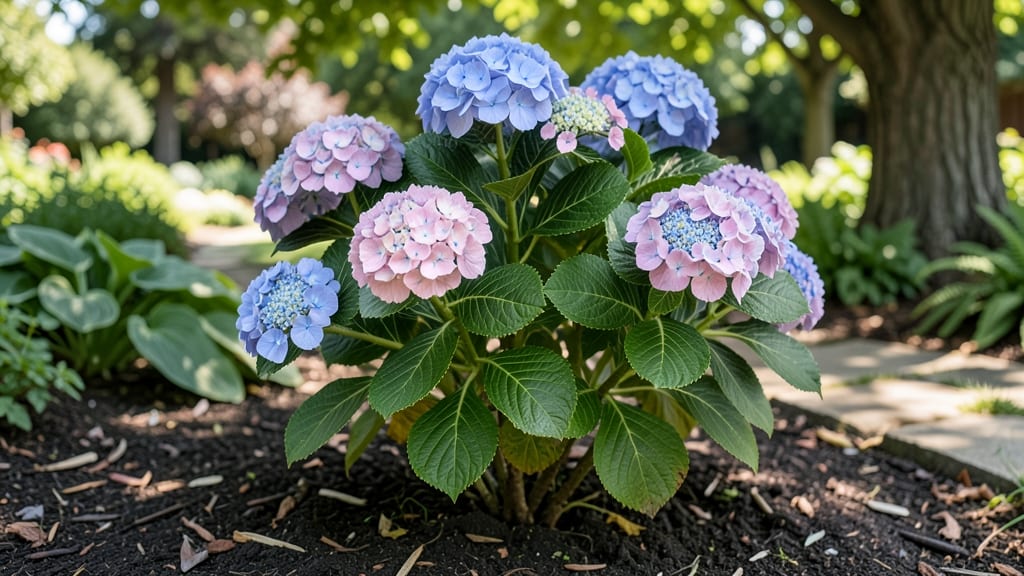
Bigleaf hydrangea care starts with one simple truth: these plants thrive when you mimic their natural, humid forest home. 🌿 I've grown them for years, and the secret isn't complicated—just consistent moisture, the right soil, and a little patience with their pruning schedule.
The payoff? Stunning foliage that stays lush even after the blooms fade, plus those iconic blue or pink clusters that make neighbors stop and stare.
Your hydrangeas will reward you with vibrant blooms and glossy leaves when you give them rich, well-draining soil that holds moisture without becoming soggy. Most gardeners overwater or prune at the wrong time—both mistakes lead to floppy stems and fewer flowers.
The good news? Once you establish a routine, these plants practically take care of themselves, producing 3-4 seasons of reliable growth with minimal effort.
What you'll end up with is a garden centerpiece that changes color with the seasons—deep green in spring, burgundy in fall, and everything in between. The foliage stays attractive even when flowers fade, making them one of the most versatile shrubs for any landscape.
Plus, they attract pollinators all season long, which means more beneficial insects patrolling your garden.
This care guide covers everything from soil prep to winter protection, including how to adjust for your specific climate.
Whether you're dealing with a new plant or an established shrub, these techniques will keep your hydrangeas looking their best year after year—no green thumb required, just consistent attention to their basic needs.
📚 In This Guide
- What you need
- Instructions
- Tips and common mistakes
- Wrapping up and next steps
What you need
- ● Bigleaf hydrangea plant (choose a healthy specimen with Hydrangea macrophylla or similar varieties—check local nurseries for disease-resistant options!)
- ● Well-draining potting mix (3-4 bags, ~1 cubic foot each) – Look for a blend with peat moss, perlite, and compost for optimal drainage.
- ● Garden soil amendment (1-2 bags of organic compost or aged manure) – Boosts nutrient-rich soil for vibrant foliage!
- ● Slow-release fertilizer (10-10-10 NPK ratio, ~1 lb) – Apply in early spring for a steady nutrient supply.
- ● Mulch (3-4 cubic feet of shredded bark or pine needles) – Helps retain moisture and regulate soil temperature.
- ● Watering can or hose with a gentle spray nozzle – Consistent moisture is key!
- ● Pruning shears (sharp, sterilized) – For shaping and deadheading.
- ● Gloves (1 pair) – Protects hands from thorns and soil-borne pathogens.
- ○ pH testing kit (optional but helpful) – Adjust soil pH between 5.5-6.2 for optimal blooms.
- ● Epsom salt (1-2 lbs) – Adds magnesium for greener leaves (mix 1 tbsp per gallon of water).
- ● Soil moisture meter – Prevents over- or under-watering.
- ● Neem oil or insecticidal soap – For aphid or pest control (keep bigleaf hydrangeas pest-free! 🚫🐜).
- ● Stakes or cages (if plant is top-heavy) – Provides support for heavy foliage.
- ● Drip irrigation system – Automates watering for busy gardeners!
How to keep bigleaf hydrangeas thriving year-round
Here's the method I rely on to keep my bigleaf hydrangeas lush, vibrant, and healthy through every season.
☀️ Step 1: Select the Perfect Planting Location
Bigleaf hydrangeas thrive in partial shade, receiving morning sun and afternoon shade—this prevents leaf scorch while ensuring enough light for vibrant foliage. I always choose a spot that gets 4-6 hours of filtered light daily, especially in hotter climates. Avoid deep shade, which weakens growth and reduces flowering.
Test your spot by observing how sunlight moves across the area throughout the day. If leaves turn yellow or crisp in summer, the location gets too much direct sun. Amend the soil with 2-3 inches of organic compost before planting to improve drainage and nutrient retention—bigleaf hydrangeas hate soggy roots.
💧 Step 2: Water Deeply and Consistently
Water your bigleaf hydrangea 1-2 times per week, providing 1-1.5 gallons per plant each time. The key is deep watering—soak the soil until it's 6-8 inches deep, then wait until the top 2 inches feel dry before watering again. Shallow watering encourages weak roots and stress.
Mulch around the base with 2-3 inches of wood chips or shredded bark to retain moisture and regulate soil temperature. I always keep mulch 3-4 inches away from the trunk to prevent rot. In hot summers, you may need to water every 2-3 days, especially if the soil feels dry by mid-morning.
✂️ Step 3: Prune for Shape and Health
Prune bigleaf hydrangeas in late winter or early spring before new growth appears. Remove dead, diseased, or crossing branches first, then shape the plant by cutting back last year’s growth to just above a strong bud. Never cut into old wood—new blooms form on current season’s growth.
For a bushier plant, trim back 1/3 of the oldest stems each year. If your hydrangea looks leggy, prune back 1/2 of the longest branches to encourage denser foliage. Always use clean, sharp pruners to avoid tearing branches, which invites pests and disease.
🌿 Step 4: Feed for Vibrant Foliage
Apply a balanced, slow-release fertilizer (10-10-10) in early spring when new growth begins. I use 1/4 cup per plant, working it into the top 2-3 inches of soil. Avoid high-nitrogen fertilizers—they promote leafy growth at the expense of flowers.
In mid-summer, switch to a low-nitrogen, high-phosphorus fertilizer (5-10-10) to support blooming. Water the soil thoroughly before and after applying fertilizer to prevent root burn. Over-fertilizing causes weak stems and yellow leaves, so follow package instructions precisely.
⏰ Step 5: Protect Through Seasonal Changes
In fall, reduce watering as temperatures drop, but keep the soil slightly moist until the ground freezes. Bigleaf hydrangeas are hardy to USDA Zone 5, but young plants may need winter protection in colder climates. Wrap the base with burlap or frost cloth if temperatures dip below 10°F.
In spring, watch for new growth as a sign to resume regular watering. If buds form but don’t open, it could signal bud blast (a fungal issue). Improve airflow by pruning dense areas and avoid overhead watering to prevent future outbreaks. With consistent care, your hydrangea will reward you with bold, glossy leaves and stunning blooms all season long.
Tips & tricks for perfect bigleaf hydrangea care
Here's what nobody tells you about keeping your bigleaf hydrangeas looking their absolute best all year—lessons I learned after struggling with wilting plants and disappointing blooms.
Lighting Strategy: The 4-6 hours of filtered light in Step 1 is non-negotiable, but here's the secret: in hotter climates, I actually move my plants to a location with morning shade and afternoon sun during peak summer months. This prevents leaf scorch while still giving them enough light to thrive. Pay attention to how sunlight shifts throughout the day—what works in spring may be too harsh by July.
Watering Wisdom: When watering those 1-1.5 gallons per plant, use the "squeeze test" to check soil moisture: if the top 2 inches feel dry, it's time to water. But here's what I learned the hard way—watering in the early morning (before 9 AM) prevents fungal issues that can develop from evening moisture. And always water at the base, not overhead, to keep those gorgeous leaves clean and healthy.
Pruning Precision: That 1/3 to 1/2 pruning ratio in Step 3 might seem aggressive, but it's actually how you create that lush, bushy look. I mark the cuts with a piece of masking tape before making them—this helps me visualize the final shape. And always prune just above a leaf bud, not a stem—this ensures new growth will emerge in the right direction. The clean cuts also heal faster and look more professional.
Fertilizer Finesse: The 1/4 cup of 10-10-10 in early spring is perfect, but here's my pro move: I mix it with a handful of worm castings for extra nutrients. For the mid-summer 5-10-10, I actually split the dose into two applications—once in early summer and again in late summer. This gives the plant a steady supply of phosphorus without overwhelming it. And always water before and after applying—this prevents root burn that can damage those delicate roots.
Pro Tips for Bigleaf Hydrangea Care
- Here's what nobody tells you about keeping your bigleaf hydrangeas looking their absolute best all year—lessons I learned after struggling with wilting plants and disappointing blooms.
- This prevents leaf scorch while still giving them enough light to thrive.
- Watering Wisdom: When watering those 1-1.5 gallons per plant, use the "squeeze test" to check soil moisture: if the top 2 inches feel dry, it's time to water.
Frequently asked questions
Got questions about keeping your bigleaf hydrangea thriving?
Here are answers to the most common ones—so you can enjoy those stunning leaves year-round!
How often should I water my bigleaf hydrangea?
Water deeply 1-2 times per week, ensuring the top 6 inches of soil stay moist. Bigleaf hydrangeas love hydration but hate soggy roots—aim for 1-1.5 inches of water weekly. Mulch around the base to retain moisture. Pro tip: Water in the morning to reduce evaporation and fungal risks.
When is the best time to prune bigleaf hydrangeas?
Prune right after flowering (late summer/early fall) or in late winter/early spring before new growth starts. Avoid pruning in spring—you’ll cut off next year’s blooms! Use clean tools to trim back 1/3 of the plant to encourage bushier growth. Never prune in fall if you want flowers the following year!
Why are my bigleaf hydrangea leaves turning yellow?
Yellow leaves usually mean overwatering, poor drainage, or nutrient deficiency. Check soil moisture—bigleaf hydrangeas hate "wet feet." If the yellowing is only on older leaves, it’s likely natural aging. For new growth, test soil pH (aim for 5.5-6.2) and fertilize with acid-loving plant food in spring.
Can bigleaf hydrangeas survive winter in cold climates?
Yes! They’re hardy to USDA Zones 5-9. For extra protection in colder zones, mulch heavily (4-6 inches) and wrap young plants with burlap. Avoid pruning in late fall—wait until after the last frost. Established plants usually bounce back with minimal care!
What’s a good alternative if my hydrangea isn’t thriving?
If your bigleaf hydrangea struggles with heat, drought, or pests, try oakleaf hydrangea (tougher in drought) or panicle hydrangea (more disease-resistant). For shade lovers, smooth hydrangea (H. arborescens) is a great backup—just adjust care to match its needs!
Wrapping up and next steps
Caring for your bigleaf hydrangea is all about balance—sunlight, water, and a little TLC to keep those stunning leaves vibrant year-round! 🌿 With the right soil, pruning know-how, and seasonal adjustments, you’ll enjoy lush foliage that’s the envy of the neighborhood.
Now that you’re armed with these foliage secrets, why not grab your pruners and get growing? Plant a new hydrangea this weekend or share your tips with fellow gardeners—your green thumb is about to shine even brighter!