
Plants
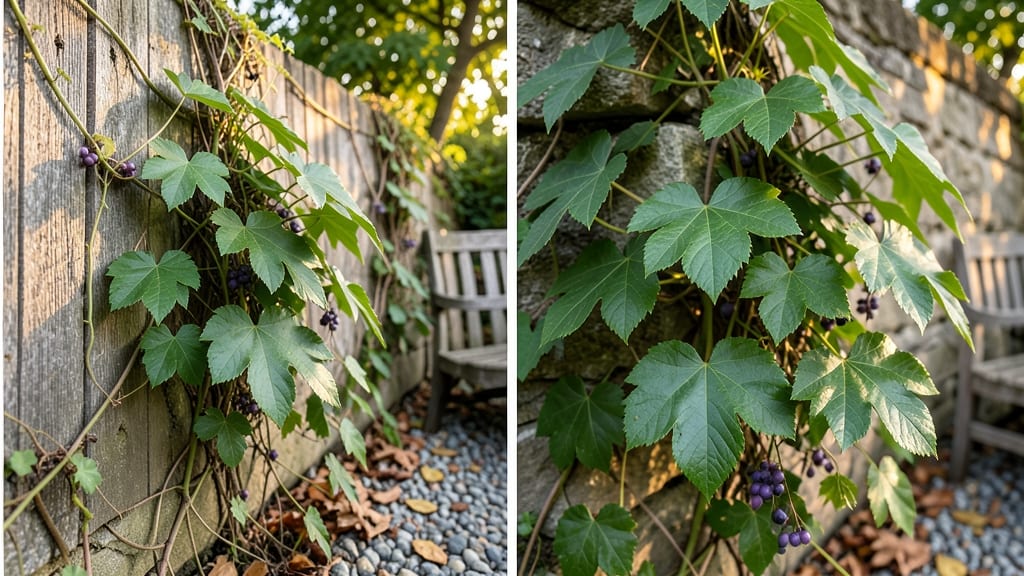
That five-leaf vine creeping up your fence isn’t a plant—it’s a shade-tolerant weed that multiplies faster than you can say "landscaping nightmare." 🌿 I’ve wrestled with these aggressive vines in my own yard, and the key to stopping them lies in knowing exactly when and how to attack them before they strangle your garden.
The problem starts with how quickly they spread—roots, runners, and seeds all working together to take over shady corners where nothing else grows. Most people wait too long, letting the vines thicken into near-impossible-to-remove ropes.
But with the right timing and tools, you can weaken them before they become permanent fixtures. What you’ll learn here is how to smother, prune, and prevent these vines without harsh chemicals. We’re talking organic methods that work for any yard, from urban balconies to woodland edges.
The goal? A fence, trellis, or garden bed that stays yours—not a jungle of unwanted foliage. This works whether you’re dealing with Pilea creeping Charlie or Parthenocissus (Virginia creeper). The secret? Attacking the roots while the plant is still young and active. Let’s get started.
The Hidden Triggers Behind Spread
If your 5-leaf vine weed (or Pentalala myrtifolia) seems to be taking over faster than expected, there are key environmental and human factors at play.
Understanding these causes helps you regain control and create a balanced garden ecosystem. Let’s break down the science behind why this shade-loving plant thrives—and sometimes overgrows.
The 5-leaf vine weed is a shade-tolerant powerhouse, but too much shade without proper light filtration can trigger aggressive growth. Here’s why:
- Low light stress: In deep, unbroken shade (e.g., under thick tree canopies or dense shrubs), the plant senses limited sunlight and compensates by growing faster to reach for any available light. This leads to longer vines and more rapid spread.
- Moisture retention: Shady areas often hold humidity longer, creating ideal conditions for its humus-loving roots. The soil stays damp, encouraging root expansion and new shoots.
- Competition avoidance: In low-light zones, fewer competing plants mean less resource competition, allowing the vine to dominate space quickly.
Actionable fix: Thin out overhanging branches or plant lighter foliage (like ferns or hostas) to break up the shade and reduce its growth spurts. Aim for dappled sunlight—a few hours of filtered light daily can slow its spread.
This vine loves moisture, but too much water—especially in stagnant soil—turns your garden into a 5-leaf vine buffet. Here’s the science:
- Root suffocation: Waterlogged soil deprives roots of oxygen, forcing the plant to send out more lateral roots and runners to escape the soggy conditions. This accelerates spread.
- Nutrient leaching: Excess water washes away essential nutrients (like nitrogen and potassium), but the vine adapts by growing faster to absorb what’s left before it’s gone.
- Fungal hitchhikers: Damp soil breeds mycorrhizal fungi, which form symbiotic relationships with the vine’s roots, boosting its growth rate.
Actionable fix:
- ✅ Test your soil: Stick a finger 2 inches deep—if it’s still damp after 48 hours, you’re overwatering.
- ✅ Improve drainage: Amend clay-heavy soil with compost or perlite to create air pockets.
- ✅ Water deeply but less often: Aim for 1–2 inches per week (including rain) and let the topsoil dry slightly between waterings.
If your soil is a nutrient goldmine, your 5-leaf vine is basically on a growth steroid. Here’s how it happens:
- Nitrogen feast: High-nitrogen soil (common in compost-heavy or manure-amended gardens) fuels leafy, lush growth. The vine responds by producing more vines and leaves to maximize photosynthesis.
- Phosphorus boost: Phosphorus-rich soil (from bone meal or aged compost) stimulates root and runner development, helping the vine spread faster.
- Potassium kick: Potassium enhances water absorption and stress resistance, allowing the vine to thrive even in less-than-ideal conditions.
Actionable fix:
- 💡 Soil test first: Use a DIY test kit or send a sample to a local extension office to check nutrient levels.
- 🌱 Balance the mix: If nitrogen is high, add phosphorus- or potassium-focused fertilizers (like bone meal or greensand) to slow leafy growth.
- 🚫 Avoid fresh manure: It’s a nitrogen bomb—opt for well-aged compost instead.
In many gardens, the 5-leaf vine faces little to no resistance, which lets it spread unchecked. Here’s why:
- Deer and rabbit indifference: Unlike some plants, this vine is not a favorite snack for herbivores, so it’s rarely browsed down.
- Few fungal or bacterial threats: Its thick, waxy leaves and rapid growth make it resistant to many common plant diseases.
- Weak competition: If your garden lacks aggressive ground covers (like creeping thyme or pachysandra), the vine fills the void effortlessly.
Actionable fix:
- 🐇 Introduce natural barriers: Plant deer-resistant companions like lamb’s ear, ajuga, or heuchera to compete for space.
- 🌿 Encourage beneficial insects: Ladybugs and lacewings don’t target this vine, but they can help control other pests that might stress it indirectly.
- 🔪 Manual intervention: If left unchecked, prune runners aggressively in early spring to starve it of energy.
Pro Tip: 🌡️ Monitor soil temperature—if your garden stays above 70°F (21°C) for prolonged periods, growth accelerates. Use mulch to regulate temperature and slow spread.
How to Fix Common Growing Issues
If you’ve spotted yellowing leaves, leggy stems, or stubborn pests on your five-leaf vine (Parthenocissus quinquefolia), don’t panic—most problems have simple, effective fixes. Below, we’ve mapped common issues to practical solutions, plus prevention tips to keep your vine thriving for years.
Cause: Overwatering, underwatering, or poor drainage. Fix:
- Check soil moisture 💧: Stick your finger 1–2 inches into the soil. If it’s soggy, your plant’s roots are drowning. If it’s bone-dry, it’s thirsty.
- Adjust watering 🔄: Water deeply but only when the top 1–2 inches of soil feel dry. Five-leaf vine prefers consistent moisture but hates waterlogged roots.
- Improve drainage 🏗️: Amend heavy clay soil with compost or perlite. If planted in a container, ensure pots have drainage holes.
Prevention Tip: 💡 Mulch around the base with 2–3 inches of organic mulch (like shredded bark) to retain moisture and regulate soil temperature.
Cause: Lack of sunlight or over-fertilization. Fix:
- Move to brighter light ☀️: While five-leaf vine tolerates shade, it thrives with partial shade to morning sun. If indoors, place near a north- or east-facing window.
- Prune strategically ✂️: Trim back overly long vines in early spring to encourage bushier growth. Cut just above a leaf node (the bump where leaves attach).
- Fertilize lightly 🌱: Use a balanced, slow-release fertilizer (10-10-10) in early spring. Avoid high-nitrogen fertilizers—they promote leafy growth at the expense of sturdy vines.
Prevention Tip: 🌡️ If growing outdoors, plant in a location with dappled sunlight (like under tall trees) to avoid sunburn while still getting enough light.
Cause: Dry air, crowded plants, or stressed vines. Fix:
- Blast pests off 💦: Spray leaves with a strong stream of water to dislodge spider mites and aphids. Repeat every 2–3 days for a week.
- Neem oil treatment 🌿: Mix 1 tsp neem oil + 1 tsp mild soap + 1 quart water, then spray on infested areas. Reapply every 5–7 days until pests vanish.
- Introduce beneficial insects 🐞: Ladybugs and lacewings eat aphids naturally. Buy them online or attract them with companion plants like marigolds.
Prevention Tip: ✨ Keep humidity up with a pebble tray under pots or a mist spray (especially in dry climates). Healthy plants resist pests better!
Cause: High humidity, poor airflow, or wet foliage. Fix:
- Improve airflow 🌬️: Prune nearby plants to reduce crowding. If growing on a trellis, space vines 6–12 inches apart.
- Fungicide spray 🛡️: Use a copper-based fungicide or baking soda spray (1 tsp baking soda + 1 quart water + a drop of soap). Apply every 7–10 days until symptoms clear.
- Water at the base 💧: Avoid overhead watering, which leaves foliage damp and prone to fungus.
Prevention Tip: 💡 Air circulation is key! If growing indoors, use a small fan on low setting near the plant to keep air moving.
Cause: Pot-bound roots or nutrient-deficient soil. Fix: - Repot if needed 🏺: If roots circle the pot or spill out of drainage holes, repot in spring using a slightly larger container with fresh potting mix. - Boost nutrients 🌱: Feed with a balanced fertilizer (like 5-5-5) in early spring and mid-summer.
For slow growers, try a fish emulsion for a quick nutrient boost. - Check light exposure 🌞: If indoors, supplement with a grow light (12–14 hours/day) to encourage growth.
Prevention Tip: 🎯 Rotate pots every few months so all sides get even light, preventing lopsided growth.
Cause: Cold snaps, windburn, or dry indoor heat. Fix: - Protect outdoor plants ❄️: Mulch heavily (4–6 inches) around the base and wrap young vines in burlap if temperatures drop below 10°F. - Adjust indoor care 🏠: Move plants away from heat vents and group them together to retain humidity.
Mist leaves occasionally. - Trim dead foliage ✂️: In early spring, prune any brown or damaged leaves to encourage new growth.
Prevention Tip: 🔥 Acclimate gradually! If bringing an outdoor vine inside for winter, do it slowly over 1–2 weeks to avoid shock.
| Issue | Quick Fix | Prevent It |
|---|---|---|
| Slow growth | Fertilize + prune | Rotate pot for even light |
| Pests | Neem oil + water spray | Increase humidity + inspect weekly |
| Fungal disease | Copper fungicide + airflow | Water at base + avoid crowding |
| Yellow leaves | Check soil moisture + drainage | Mulch + well-draining soil |
Final Tip: 🌿 Observe your plant weekly! Catching issues early (like wilting or pest eggs) makes fixes 10x easier. With the right care, your five-leaf vine will reward you with vibrant foliage year-round—and maybe even delicious fruit for birds!
Frequently asked questions
Is the 5-leaf vine weed toxic to pets or humans?
The most common 5-leaf vine weed (Parthenocissus quinquefolia, or Virginia creeper) is not toxic to humans or pets. However, always confirm the exact species—some lookalikes (like poison ivy) can cause severe reactions. If your pet chews on it, monitor for unusual symptoms and consult a vet if concerned.
How do I tell if it's spreading from roots or seeds?
Check for underground runners (thin, white roots) spreading horizontally—this is root growth. Seed spread looks like tiny plants popping up randomly, not connected to existing vines. Dig around the base to spot root systems; seedlings will have no visible roots under mature plants.
Can I use vinegar to kill this vine?
Yes! A 20% vinegar solution (1 part white vinegar to 1 part water) sprayed directly on leaves will kill the vine in 24-48 hours. Reapply every 3-5 days for thick patches. For stubborn roots, smother with black plastic sheeting for 6-8 weeks to starve them out.
Will cutting the vines at ground level stop them?
No—cutting above ground won't kill established roots. For permanent removal, you must dig out the roots or use glyphosate (for non-organic methods). For organic control, cut vines in early spring and smother regrowth with cardboard + mulch to block sunlight.
Can I grow other plants under this vine?
Yes, but choose shade-tolerant companions like ferns, hostas, or impatiens. Avoid delicate plants—the vine's aggressive roots can strangle nearby species. Plant ground covers 12+ inches away from the vine's base to minimize competition.