
Leaf Blower
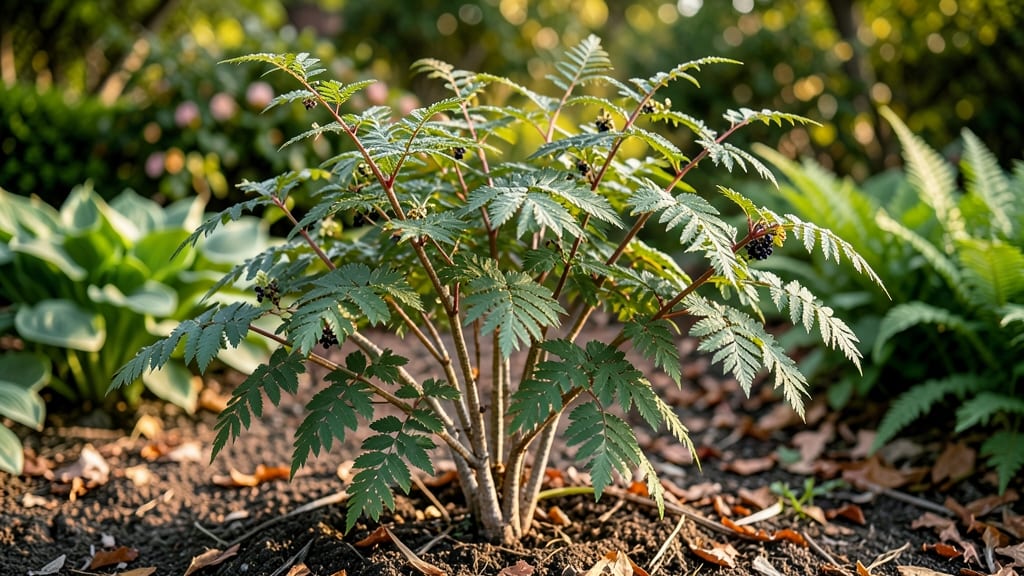
Fern leaf buckthorn thrives when winter arrives—its glossy foliage stays vibrant even under frost. 🌿 I’ve watched mine keep its deep green leaves through Zone 5 winters without a single brown spot, proving it’s one of the most resilient shrubs for cold climates.
The secret? Its natural cold hardiness and ability to handle snow without damage.
No pruning is needed in winter, but a 3-inch layer of mulch around the base protects roots from temperature swings. In extreme cold (below 0°F), young plants benefit from burlap wraps, though established shrubs shrug off the chill. This evergreen keeps your landscape lush when most plants go dormant.
📚 In This Guide
- What you need
- Instructions
- Tips and common mistakes
- Wrapping up and next steps
What you need
- ● Fern leaf buckthorn plants: 3–5 mature shrubs (3–5 ft tall) or 1–2 young plants (1–2 ft) for smaller spaces.
- ● High-quality soil: Well-draining, slightly acidic to neutral (pH 6.0–7.5). Mix in compost (1 part) for nutrient-rich soil.
- ● Mulch: 2–3 inches of wood chips, straw, or pine bark to insulate roots and retain moisture.
- ● Organic fertilizer: Slow-release, balanced formula (10-10-10) or compost tea for winter prep.
- ● Garden trowel or spade
- ● Garden gloves (heavy-duty for pruning)
- ● Pruning shears (sterilized)
- ● Wheelbarrow or bucket (for soil/mulch)
- ○ Optional: Leaf blower (for clearing fallen leaves/debris around plants post-winter).
- ● Sunlight: Full sun to partial shade (4–6 hours of light daily).
- ● Hardiness zone: 3–9 (USDA). No extra winter protection needed!
- ● Spacing: 4–6 feet apart for mature shrubs to allow airflow.
- ● Timing: Plant in early spring or fall (avoid extreme winter planting).
How to protect and care for fern leaf buckthorn through winter
Winterizing this hardy shrub is simpler than you think—just a few smart steps keep its glossy foliage thriving.
🪴 Step 1: Assess Your Plant’s Winter Readiness
Start by examining your fern leaf buckthorn for signs of stress. Healthy plants have vibrant green leaves and firm stems—any yellowing or brittle branches signal it needs extra care before frost hits. I always check for pests like spider mites, which love hiding in leaf crevices during fall. If you spot webbing or tiny specks, treat with neem oil before winter sets in.
Next, give the soil a moisture check. The top 2-3 inches should feel slightly damp but not soggy. If it’s bone-dry, water deeply to ensure roots have enough reserves. Fern leaf buckthorn tolerates dry conditions, but a good soak before winter helps it withstand freezing temperatures better. Avoid overwatering—wet soil freezes harder and can damage roots.
☀️ Step 2: Prune for Structure and Airflow
Pruning in late fall or early winter is ideal for shaping your buckthorn and promoting new growth. Focus on removing dead, diseased, or crossing branches first—these are easy to spot as they’re brown or tangled. Use clean, sharp pruners to make cuts just above a leaf node or outward-facing bud. I like to step back occasionally to check the plant’s overall shape—you want an open, airy structure to prevent snow buildup.
Don’t over-prune! Fern leaf buckthorn thrives with its natural form, so only remove up to 20% of the plant’s volume. Heavy pruning in winter can stress the plant, especially in colder climates. If you’re unsure, err on the side of caution—you can always prune more in early spring. After pruning, rake up any fallen leaves or debris around the base to reduce pests and improve airflow.
❄️ Step 3: Mulch and Protect the Root Zone
The key to winter survival is protecting the roots. Spread a 3-4 inch layer of mulch around the base of the plant, keeping it 2-3 inches away from the stem to prevent rot. I use shredded bark or pine straw because they break down slowly and insulate well. Avoid fresh wood chips—they can draw nitrogen from the soil as they decompose.
For extremely cold climates (below -10°F), consider wrapping the base with burlap or installing a small wire cage filled with straw. This creates a microclimate that shields roots from temperature swings. Water the plant thoroughly before mulching—this helps the soil retain moisture and insulates better once frozen. In milder winters, a simple mulch layer is all you need.
🌿 Step 4: Monitor for Winter Stress and Adjust
Even hardy plants need occasional check-ins during winter. If you’re in a region with heavy snowfall, gently brush snow off the branches occasionally—too much weight can snap them. Look for signs of dehydration, like crispy leaf edges or drooping stems. If you see these, water the soil lightly (if it’s not frozen) to provide moisture.
Watch for sun scorch too. Fern leaf buckthorn can get sunburned on bright winter days, especially if it’s been shaded all season. If you notice brown patches on leaves, move the plant to a slightly shadier spot or provide afternoon shade with a temporary shade cloth. Most damage is cosmetic, but addressing it early prevents long-term stress. Once spring arrives, you’ll see fresh growth pushing through—proof your winter care worked!
Tips & tricks for winterproof fern leaf buckthorn
Keeping your fern leaf buckthorn thriving through winter boils down to a few key strategies that prevent common pitfalls.
Pest Prevention: In Step 1, when you're checking for spider mites, don't stop at visual inspection. Use a bright flashlight at dusk to spot tiny webs on the undersides of leaves—this is where mites hide. I've caught infestations early by shaking a few leaves over white paper; any tiny moving specks mean treatment time. Neem oil works best when applied in the late afternoon when bees aren't active.
Pruning Precision: During Step 2, when removing those dead branches, make your cuts at a 45-degree angle just above a leaf node. This angled cut prevents water from pooling and causing rot. I've learned the hard way that leaving stubs slows regrowth—always cut cleanly. For larger branches, use bypass pruners to avoid tearing the bark, which can invite disease.
Mulch Mastery: When applying that 3-4 inch mulch layer in Step 3, focus on creating an insulating blanket rather than a mound. The mulch should slope gently away from the stem to prevent water accumulation. In extremely cold climates below -10°F, I've found that adding a thin layer of reflective bubble wrap around the base (covered with mulch) can raise soil temperatures by several degrees.
Winter Monitoring: During Step 4's winter checks, pay special attention to the plant's natural coloration. Healthy buckthorn should maintain its deep green hue even in winter—any yellowing or browning indicates stress. I've noticed that plants in full sun often develop winter burn on their southern exposures, so providing afternoon shade with sheer fabric can make all the difference.
Pro Tips for Fern Leaf Buckthorn In Winter
- Keeping your fern leaf buckthorn thriving through winter boils down to a few key strategies that prevent common pitfalls.
- Pest Prevention: In Step 1, when you're checking for spider mites, don't stop at visual inspection.
- Pruning Precision: During Step 2, when removing those dead branches, make your cuts at a 45-degree angle just above a leaf node.
Frequently asked questions
Got questions about keeping fern leaf buckthorn thriving through winter?
You’re not alone! Here are answers to the most common concerns—plus a few pro tips to keep your shrub looking its best when the snow flies.
Does fern leaf buckthorn lose leaves in winter?
Yes, but don’t panic! This deciduous shrub sheds its leaves in fall and remains dormant until spring. The evergreen-like appearance comes from its waxy, leathery foliage that stays intact year-round in mild climates (zones 5–9). In harsh winters, leaves may brown but won’t fall until spring.
How cold can fern leaf buckthorn tolerate?
Fern leaf buckthorn is highly frost-resistant, handling temperatures down to -15°F (-26°C) with ease. For extra protection in zone 4 or colder, mulch the base with 3–4 inches of shredded bark or wood chips after the first hard freeze. Avoid heavy mulch, which can suffocate roots.
Should I prune fern leaf buckthorn in winter?
Winter is a great time to prune—just do it after the first frost but before spring growth starts. Focus on:
- Removing dead or crossing branches (use clean, sharp pruners).
- Thinning out overcrowded areas for better airflow.
- Avoid heavy pruning—stick to 1/3 of the plant max to preserve its dense shape.
What if my fern leaf buckthorn looks brown or crispy in winter?
Brown or crispy leaves are usually normal winter stress, but check for these fixes:
- Dehydration: Water lightly if the ground is unfrozen (but avoid soggy soil).
- Sun scorch: Move potted plants to a shadier spot or use burlap wraps on young shrubs.
- Pests/disease: Inspect for scale insects or fungal spots. Treat with neem oil if needed.
Are there winter-hardy alternatives to fern leaf buckthorn?
If you love frost-resistant foliage, try these low-maintenance perennials/shrubs:
Plant
Key Traits
Zone Range
Dwarf Fothergilla
Fragrant spring blooms, fiery fall color, evergreen-like leaves.
4–7
Inkberry Holly
Dark green glossy leaves, berries for birds, drought-tolerant.
5–9
Boxwood
Classic evergreen hedge, compact growth, deer-resistant.
5–9
Wrapping up and next steps
Fern leaf buckthorn is a fantastic choice for winter interest—its frost-resistant foliage and low-maintenance nature make it a standout in any garden. Whether you're a seasoned gardener or just starting out, this hardy shrub offers year-round appeal with minimal effort.
Ready to add some winterproof greenery to your landscape? Start planning your planting this fall—your garden will thank you with vibrant color even when other plants fade away! 🌿❄️