
Leaf Blower
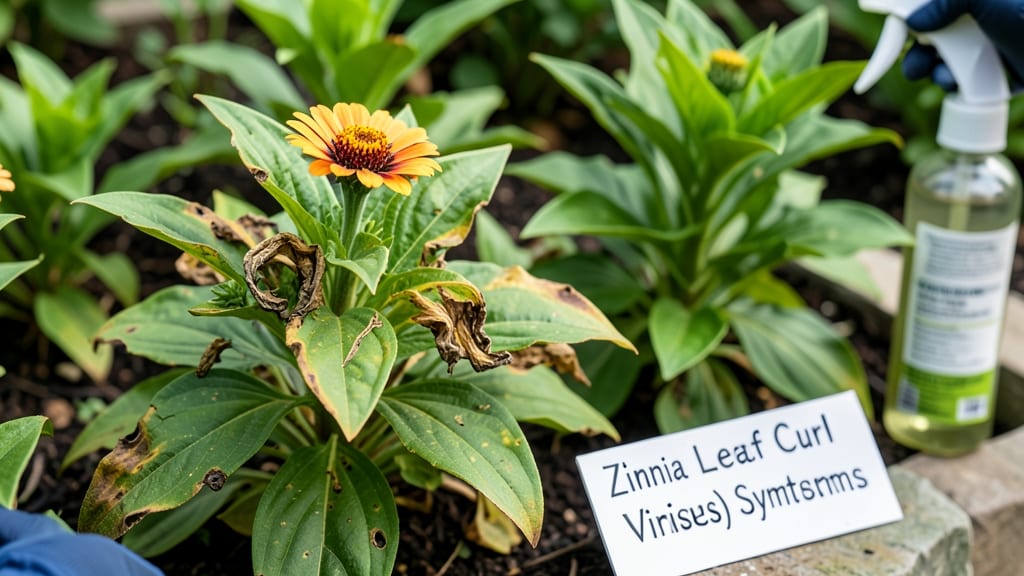
Your zinnias might look like they’ve been hit by a summer windstorm—crisp edges and curled leaves are classic signs of zinnia leaf curl, and copper spray is your secret weapon for revival. 🌸 I’ve watched this viral infection turn vibrant blooms into sad, stunted messes, but a few targeted sprays can bring them back to life faster than you’d expect.
The culprit? Often a mix of aphids, poor airflow, and stress from heat or overcrowding. Those curled leaves aren’t just ugly—they’re a plant’s SOS signal. The good news?
Copper spray disrupts fungal spores and deters pests, while pruning and spacing give your zinnias room to breathe. It’s not magic, but it works.
Within 7-10 days, you’ll see new growth pushing through with crisp, healthy edges. The key is acting fast—remove heavily infected plants immediately and focus on prevention next season. Resistant varieties like ‘Benary’s Giant’ or ‘Profusion’ can save you future headaches.
Even if your zinnias don’t fully recover, copper spray buys them time to rebound. The real win? Your garden stays vibrant, and you’ll spot early signs before they spiral. Let’s get those edges crisp again!
Root Causes Of Leaf Distortion
When your zinnias start showing those unsightly curled, crinkled, or distorted leaves, it’s often a sign of underlying stress or infection. Understanding the why behind these symptoms is the first step to restoring your plants to their vibrant best.
Below, we break down the most common culprits—each with a clear, actionable explanation.
One of the most frustrating causes of leaf curl in zinnias is a viral infection, particularly Zinnia mosaic virus or Tomato yellow leaf curl virus (TYLCV).
These viruses are spread by sap-sucking insects like whiteflies and aphids, which feed on infected plants and then transmit the virus to healthy ones.
🔬 How to spot it:
- Leaves curl upward or downward, often with a brittle, leathery texture.
- Yellow or white mottling appears on the foliage.
- Stunted growth or distorted flower buds.
💡 Why it happens: Viruses hijack the plant’s cellular machinery, disrupting normal growth hormones (like auxins) and causing abnormal leaf development. Once infected, there’s no cure—only prevention and removal of affected plants to stop the spread.
Zinnias are tough, but they’re not immune to environmental extremes. Temperature fluctuations, wind exposure, or even excessive heat can trigger leaf curling as a protective response. Similarly, poor watering habits (either underwatering or overwatering) can lead to stress-related curling.
🔥 Key triggers:
- Heat stress: Temperatures above 90°F (32°C) can cause leaves to curl inward to reduce water loss.
- Wind damage: Strong gusts dehydrate leaves quickly, leading to crispy, curled edges.
- Water imbalance:
- Underwatering → Leaves curl upward to conserve moisture.
- Overwatering → Roots suffocate, leading to yellowing and curling.
🌡️ Actionable fix: Provide consistent moisture (1–1.5 inches of water per week) and afternoon shade during heatwaves. Use mulch to regulate soil temperature and retain humidity.
Pests like aphids, spider mites, and whiteflies don’t just feed on zinnias—they inject toxins as they suck plant sap. This damage disrupts nutrient flow, causing leaves to curl, pucker, or develop sticky residue (honeydew).
🕷️ Pest-specific symptoms:
- Aphids: Leaves curl downward, often with sticky sap and sooty mold (black fungus).
- Spider mites: Yellow stippling on curled leaves, especially on the undersides.
- Whiteflies: White, waxy curls with a silver sheen under leaves.
💡 Why it happens: These pests disrupt plant hormones, particularly ethylene, which signals stress responses like curling. Their saliva also clogs stomata (leaf pores), blocking gas exchange and causing further distortion.
Zinnias are heavy feeders, and a lack of key nutrients can lead to leaf curl as a survival mechanism. The most common deficiencies tied to curling are:
| Nutrient | Deficiency Signs | Why It Causes Curl |
|---|---|---|
| Nitrogen (N) | Pale green or yellow leaves, curling edges. | Nitrogen is critical for protein synthesis and cell growth. Without it, leaves can’t expand properly, leading to cupping. |
| Magnesium (Mg) | Yellow interveinal chlorosis (between veins), curled leaf tips. | Magnesium is central to chlorophyll. Deficiency disrupts photosynthesis, causing stunted, brittle leaves. |
| Potassium (K) | Brown or black scorched edges, curling along margins. | Potassium regulates water balance and osmotic pressure. A lack of it leads to cell dehydration, making leaves crisp and curl. |
✨ Quick test: If older leaves show symptoms first, it’s likely a mobile nutrient deficiency (like nitrogen or potassium). If young leaves curl, suspect immobile nutrients (like magnesium).
🔧 Next steps: Conduct a soil test to confirm deficiencies, then amend with balanced fertilizer (e.g., 10-10-10) or Epsom salt (for magnesium).
Revive Your Zinnias Fast
Zinnia leaf curl can be frustrating, but with the right approach, you can nurse your plants back to health—and even prevent future outbreaks. Below, we’ve mapped out practical solutions based on the root causes (viruses, pests, or environmental stress), along with prevention tips to keep your zinnias thriving.
Let’s get those leaves crisp and vibrant again!
Viruses like Zinnia leaf curl virus (ZLCV) spread via aphids, whiteflies, or contaminated tools. Since viruses can’t be cured, focus on removal and prevention.
🍳 Remove Infected Plants Immediately
- Step 1: Snip off any curled, distorted, or yellowing leaves with sterilized pruners (wipe with rubbing alcohol between cuts).
- Step 2: If the entire plant is severely infected, dig it up and dispose of it (do not compost—bag and trash it).
- Step 3: Clean your tools and workspace with a 10% bleach solution to kill lingering viruses.
👨🍳 Boost Plant Resilience
- Strengthen weak plants by ensuring they get:
- Full sun (6+ hours/day) – Weak, shaded zinnias attract more pests.
- Well-draining soil – Waterlogged roots invite stress and disease.
- Balanced fertilizer – Use a 5-10-5 or 10-10-10 formula every 4-6 weeks to promote vigorous growth.
🌡️ Prevent Future Spread
- 💡 Trap aphids & whiteflies with yellow sticky traps near your zinnias.
- 🔥 Spray neem oil (1 tsp per quart of water) weekly to deter pests.
- ✨ Rotate crops – Avoid planting zinnias (or other susceptible plants like marigolds) in the same spot yearly.
Aphids, whiteflies, and spider mites love zinnias—and their saliva triggers leaf curl. Knock them out fast with these steps:
🔪 Manual Removal & Sprays
- Blast pests off with a strong stream of water (early morning works best).
- Spray copper fungicide (like Bonide Copper Fungicide) or insecticidal soap (follow label rates).
- 💡 Pro tip: For stubborn infestations, reapply copper spray every 7-10 days until pests vanish.
👨🍳 Natural Predators & Barriers
- Introduce ladybugs (they devour aphids—buy them online or attract them with dill or fennel nearby).
- Cover young plants with floating row covers to block pests while allowing sunlight.
🎯 Long-Term Pest Control
- 🌡️ Interplant with pest-repelling herbs like basil, mint, or lavender.
- 🔥 Avoid over-fertilizing with nitrogen—soft, lush growth attracts more bugs.
Heat, drought, or poor soil can cause marginal leaf curl (edges curling inward). Fix the environment to revive your zinnias:
💧 Hydration & Mulching
- Water deeply (1-2 inches per week) but avoid soggy soil—zinnias hate "wet feet."
- 💡 Mulch with straw or shredded leaves to retain moisture and regulate soil temp.
🌡️ Adjust Light & Temperature
- Provide afternoon shade in scorching climates (use shade cloth if temps hit 90°F+).
- 🔥 Move potted zinnias to a sheltered spot if they’re wilting in direct sun.
🥗 Soil & Nutrition Fixes
- Test your soil—zinnias prefer slightly acidic to neutral pH (6.0-7.0).
- Add compost or aged manure for a slow-release nutrient boost.
- 🎯 Avoid overwatering—yellowing leaves from root rot can mimic viral symptoms!
Since copper is fungicidal, bactericidal, and insecticidal, it’s a swiss-army knife for zinnia leaf curl. Here’s how to use it effectively: 1. Mix: 1 tbsp copper sulfate (or pre-mixed spray) per gallon of water.
- Spray: Drench both leaves and soil at dusk or dawn (avoid direct sun—it burns foliage).
- Repeat: Every 7-10 days until symptoms improve.
- 💡 Pro tip: Add 1 tsp of liquid seaweed extract to the mix for extra plant resilience!
Remember: Prevention is key! By combining copper sprays, pest control, and proper care, your zinnias will bounce back with crisp, curl-free edges in no time. 🌸✨
Frequently asked questions
Can zinnia leaf curl spread to other plants in my garden?
Yes, it can! The viral infections causing leaf curl (like Zinnia mosaic virus) spread through sap-sucking insects such as aphids and whiteflies. These pests can carry the virus to healthy plants while feeding. To prevent spread, remove infected zinnias immediately and isolate new plants until they're established. Use insect barriers like row covers for young seedlings.
How do I tell if my zinnias have leaf curl from pests or environmental stress?
Check the leaf undersides for tiny insects (aphids, spider mites) or sticky residue (honeydew). Environmental stress causes curling along leaf edges with no visible pests. For viral infections, look for yellow mottling or stunted growth. Test with a magnifying glass if unsure—pest damage often shows up first on new growth.
Is copper spray safe for zinnias, and how often should I apply it?
Copper spray is safe when used correctly! Apply every 7-10 days at dawn or dusk to avoid leaf burn. Mix 1 tablespoon copper sulfate per gallon of water and spray both leaves and soil. Stop applications 2 weeks before harvest if growing zinnias for flowers. Always wear gloves when handling copper products.
Will my zinnias recover if I treat leaf curl early?
Early treatment gives your zinnias the best chance! While viral infections can't be cured, proper care (copper sprays, pest control, and balanced watering) can help existing plants recover. New growth often emerges healthy within 2-3 weeks if you remove severely infected foliage. For environmental stress, plants typically bounce back within 10-14 days of proper care.
What zinnia varieties are most resistant to leaf curl?
Look for disease-resistant varieties like 'Profusion' or 'Benary's Giant'—they're bred to handle viral pressures better. 'Crystal' series zinnias also show good resistance. For maximum protection, rotate varieties yearly and practice crop rotation to prevent soil-borne pathogens from building up.