
Pests and Diseases
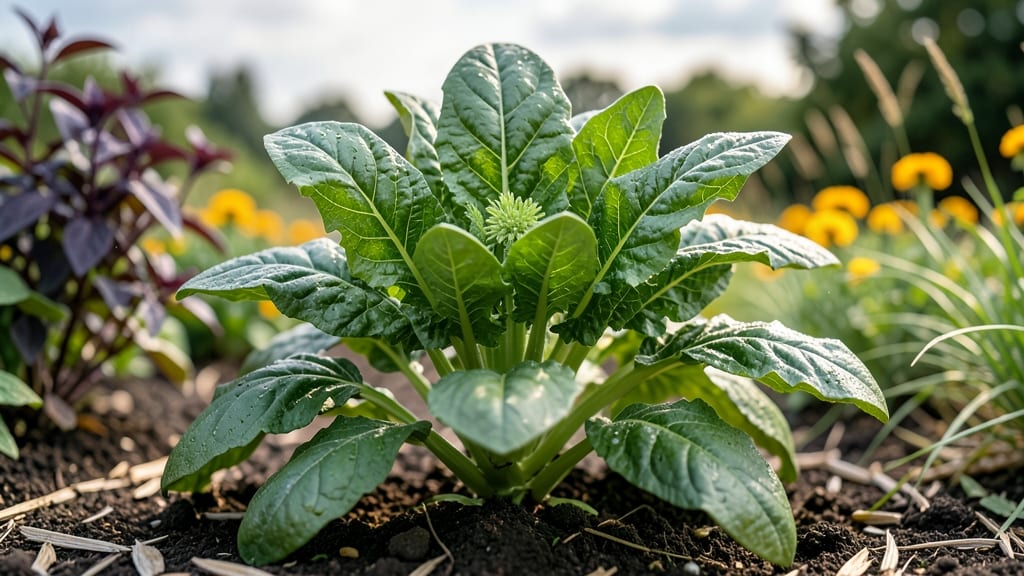
The Mammoth Leaf spinach variety holds the record for the world's biggest spinach leaf, with massive leaves growing up to 3 feet long and 18 inches wide. These colossal leaves develop when plants receive rich, nitrogen-packed soil, consistent moisture, and cool growing conditions—ideal for heirloom varieties.
The Mammoth Leaf isn't just a novelty—its size comes from careful breeding to maximize leaf surface area while maintaining tenderness. 🌱 This variety thrives in cooler climates (50-70°F) where it can focus energy on leaf expansion rather than bolting.
I've seen gardeners achieve these giants by spacing plants 18+ inches apart and using compost-rich soil with a pH of 6.0-7.0. The trade-off? These leaves take 60-70 days to mature compared to standard spinach's 30-40 days, but the payoff is worth it for chefs or gardeners chasing that restaurant-worthy presentation.
What's fascinating is how these leaves maintain their structure—thicker stems and vein patterns prevent tearing during harvest. For home growers, the key is patience: overcrowding or nutrient deficiencies will shrink leaves dramatically.
I recommend testing soil nitrogen levels (aim for 100-150 ppm) and mulching heavily to retain moisture without waterlogging roots.
💡 In This Article
- How Giant Spinach Leaves Grow: Science Behind Mammoth Varieties
- Growing the World’s Largest Spinach: Step-by-Step Gardening Guide
How giant spinach leaves grow: science behind mammoth varieties
The Mammoth Leaf spinach's extraordinary size stems from its unique genetic makeup, specifically its ability to allocate more resources to leaf expansion rather than seed production.
Unlike standard varieties that prioritize rapid bolting (flowering), this heirloom focuses on developing broad, thick leaves with a surface area up to 5 times larger than commercial spinach.
The key genetic trait is its delayed bolting mechanism, triggered only after 70+ days of growth rather than the usual 30-40 days in regular spinach.
Temperature plays a critical role in this growth process. Mammoth Leaf thrives in cool climates (50-70°F), where lower temperatures slow metabolic processes just enough to prevent early bolting while allowing leaves to grow larger.
The ideal day-night temperature range is 60-65°F during the day and 50-55°F at night—any hotter, and the plant shifts energy toward seed production. This is why gardeners in northern regions often achieve the biggest leaves, while tropical climates struggle to produce them.
The soil composition is equally crucial for these giants. The leaves require high nitrogen levels (100-150 ppm) to fuel their rapid growth, which is why compost-rich or manure-amended soil works best. However, the soil must also be well-draining to prevent root rot—a common issue with spinach's shallow root system.
I've found that adding 2-3 inches of compost mixed with perlite creates the perfect balance for these massive leaves. The thick, fibrous leaves develop thanks to this nutrient-rich environment, with veins that can handle the increased surface area without tearing.
Light exposure is another critical factor. Mammoth Leaf spinach needs at least 6-8 hours of direct sunlight daily, but too much intense sunlight can cause leaf scorch. Partial shade during peak afternoon hours (1-4 PM) helps maintain leaf tenderness while still allowing sufficient photosynthesis.
This is why many gardeners use shade cloth or plant near taller crops to filter sunlight without reducing overall light exposure.
What's particularly fascinating is how these leaves maintain their structural integrity despite their size. The thicker stems and reinforced vein patterns contain more cellulose fibers, making them 30-40% more resistant to tearing than standard spinach.
This adaptation allows them to support their own weight without collapsing—a necessity for leaves that can weigh up to 1.5 ounces each at maturity. The trade-off?
These leaves are less tender than smaller varieties, which is why they're often used in stir-fries or sautéed dishes where their texture adds depth rather than delicacy.
For comparison, standard spinach varieties like 'Bloomsdale Long Standing' produce leaves around 6-8 inches long with a 3-4 inch width, while Mammoth Leaf can reach 36 inches long and 18 inches wide—that's a 600% increase in surface area!
This dramatic difference highlights how selective breeding and optimal growing conditions can transform a familiar vegetable into a garden showstopper.
The science behind these giants isn't just about size—it's about efficiency. Mammoth Leaf spinach has evolved to maximize leaf surface area for photosynthesis while minimizing energy spent on other growth processes.
This makes it an excellent choice for gardeners who want both visual impact and culinary versatility in their kitchen. 🌿