
Leaf Blower
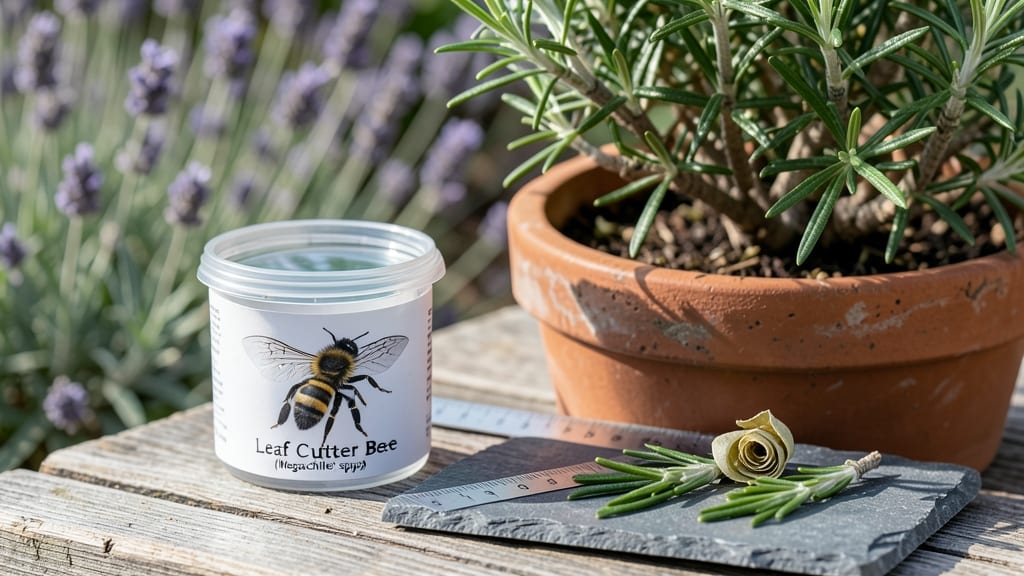
Leaf cutter bees cut leaves because they use them to build waterproof nests for their larvae, creating circular or oval chambers lined with pollen. This clever construction method shields their young and ensures they have a steady food source before the cells are sealed shut.
These bees are nature's master architects, using their powerful mandibles to make precise cuts that create perfect leaf pieces for their nests. 🔥 Unlike honeybees, they don't build hives with wax—they rely entirely on plant materials.
The pollen they collect becomes a protein-rich food source for their developing larvae, while the leaf chambers provide both protection and humidity control. What's fascinating is that female bees often reuse the same nest sites year after year, making them excellent garden pollinators while leaving distinctive circular marks on leaves.
This specialized behavior evolved because leaf cutter bees face unique challenges in their environment. The leaf material provides natural insulation and moisture regulation that would be difficult to achieve with other materials. By cutting leaves from healthy plants, they also help stimulate new growth—a win-win for both bee and plant!
💡 In This Article
- How Leaf Cutter Bees Use Leaf Pieces for Nest Construction
- Which Plants Are Best for Supporting Leaf Cutter Bee Activity
How leaf cutter bees use leaf pieces for nest construction
Leaf cutter bees employ a remarkable multi-step process that begins with their powerful mandibles—tiny, scissor-like jaws capable of making clean, precise cuts. These bees typically target leaves that are 0.02 to 0.04 inches thick, as this thickness provides the perfect balance of durability and flexibility for nest construction.
The cuts they make are often circular or oval, averaging about 1/4 to 1/2 inch in diameter, with smooth edges that reveal their incredible precision. This isn't random destruction—it's an architectural strategy to create waterproof chambers for their offspring. 🔥
The nest-building process unfolds in four distinct stages: cutting, carrying, shaping, and sealing. First, the female bee locates a suitable leaf, grips it firmly with her mandibles, and makes a clean incision using a rapid sawing motion.
She then carries the leaf piece back to her nest site, often flying up to 10 feet in the air to reach cavities in wood, stems, or even man-made structures.
Once at the nest site, she shapes the leaf piece into a perfect cup using her body and mandibles, then lines it with a pollen-and-nectar mixture that serves as food for her larvae.
Finally, she seals the cell shut with a layer of chewed leaf material, creating an airtight environment that protects the developing bee. 💫
What makes this construction so remarkable is the bees' ability to work with different leaf types while maintaining structural integrity. They prefer leaves from plants like roses, raspberries, and fruit trees because these provide the right balance of moisture retention and durability.
The bees actually chew the edges of their leaf pieces to create a natural waterproofing effect, similar to how humans might seal a container with wax. This adaptation is crucial because their larval stage lasts about 5-7 days, during which they must remain perfectly insulated and hydrated.
The leaf chambers maintain a consistent 70-75°F temperature, ideal for larval development. 🌟
Interestingly, leaf cutter bees don't build communal nests like honeybees—they're solitary creatures, each female constructing her own nest with 3-6 individual cells. This solitary nature means each nest is a masterpiece of individual craftsmanship, with each leaf piece perfectly tailored to its purpose.
The bees even orient their nests to maximize sunlight exposure, which helps regulate temperature and humidity within the chambers. This level of architectural precision is what makes leaf cutter bees some of nature's most efficient and innovative builders. ✨
One fascinating adaptation is how these bees handle different leaf thicknesses. Thicker leaves (like those from fruit trees) might require multiple layers to create a sturdy chamber, while thinner leaves (such as raspberry) can be used as single pieces.
The bees adjust their cutting technique based on the plant species, demonstrating an impressive level of adaptability. This flexibility allows them to thrive in diverse environments, from urban gardens to wild meadows.
The result is a nest that's not just functional but also remarkably efficient in terms of energy expenditure—each leaf piece serves multiple purposes simultaneously. 💛
What most people don't realize is that this leaf-cutting behavior actually benefits the plants themselves. When leaf cutter bees remove small pieces from leaves, they stimulate new growth by triggering the plant's natural healing response.
This process can actually increase fruit production in plants like raspberries and roses, making these bees valuable allies in the garden. The circular cuts they leave behind are a telltale sign of their activity and serve as a natural indicator of their presence in the ecosystem. 🌿