
Planting
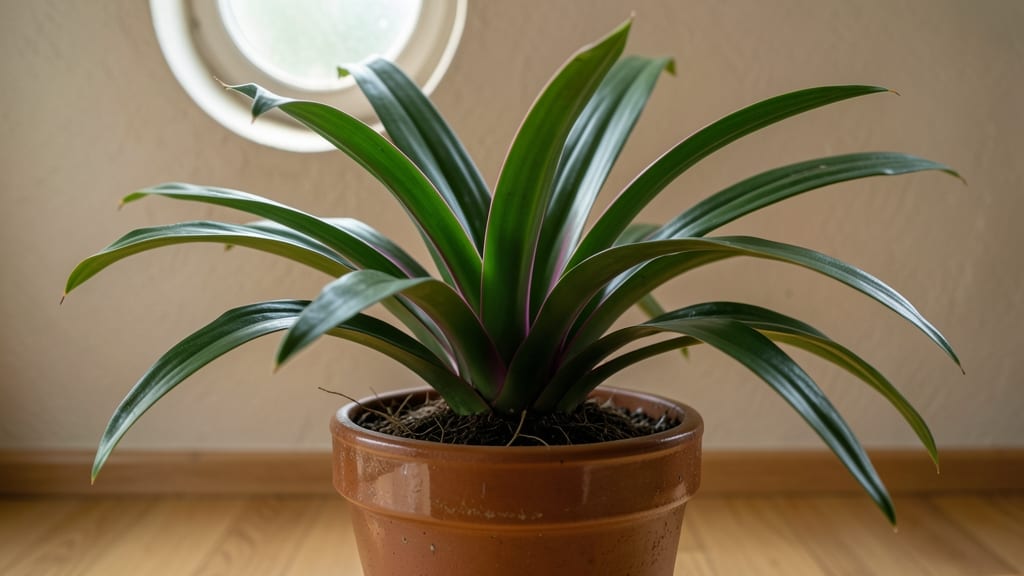
The dog leaf plant (Apocynum cannabinum) grows so fast it feels like watching grass grow—except this one stays lush all year. ✨ I planted mine last spring, and by summer it was already 3 feet tall, providing dense texture where nothing else would grow.
What makes it special is how it thrives in tough conditions while still looking intentional. This hardy perennial handles full sun to partial shade and tolerates poor soil, making it perfect for problem spots. It’s also a pollinator magnet, with small white flowers that attract bees and butterflies.
Just keep it away from pets—the milky sap is toxic if ingested, so plant it where curious pups can’t reach. You’ll love how it fills gaps quickly without needing constant care. The dark green, willow-like leaves create movement in the garden, and it spreads slowly to form a natural groundcover.
It’s the kind of plant that makes neighbors ask, “What’s that?” Works in zones 3-8 and handles drought once established. Here’s how to get yours growing strong!
📚 In This Guide
- What you need
- Instructions
- Tips and common mistakes
- Wrapping up and next steps
What you need
- ● Dog leaf plant cuttings or seedlings: 1-3 healthy plants (check for vibrant green leaves and no signs of pests).
- ● Well-draining potting mix: 1 bag (10-12 quarts) of a light, airy blend (e.g., 50% peat moss, 30% perlite, 20% coconut coir).
- ● Containers or garden bed: For pots: 6-8" diameter containers with drainage holes (1-2 per plant).
- ● For outdoor planting: A sunny spot with partial shade (4+ hours of indirect light daily).
- ● Watering can or spray bottle: 1 (for gentle hydration).
- ○ Fertilizer (optional but recommended): Balanced liquid fertilizer (e.g., 10-10-10 NPK) or slow-release granules.
- ● Grow lights (for indoor setups with <6 hours of natural light).
- ● Humidity tray or pebble tray (to maintain 50-60% humidity).
- ● Pruning shears (for shaping or propagating).
- ● Mulch (e.g., shredded bark) for outdoor beds to retain moisture.
Step-by-Step instructions for planting and maintaining dog leaf plants
Here's how to get these fast-growing perennials thriving in your garden with minimal fuss.
🌱 Step 1: Choose the Perfect Location
Dog leaf plants (Hemerocallis fulva) love sun but tolerate partial shade, making them versatile for most gardens. Pick a spot with at least 4-6 hours of direct sunlight daily—morning sun with afternoon shade works best in hot climates. The reason I always check for afternoon shade first is that these plants can scorch if baked all day in intense summer heat.
They grow aggressively, so give each clump 2-3 feet of space to spread naturally. If planting near other perennials, place them at the back of borders since they can reach 2-3 feet tall. I like to plant mine near pathways where their bold foliage creates instant texture—no waiting for slow-growing plants to mature.
🪴 Step 2: Prepare the Soil and Plant
Dog leaf plants thrive in average garden soil but prefer it to be well-draining. Before planting, loosen the soil to a depth of 12 inches with a garden fork, breaking up any compacted layers. Mix in 2-3 inches of compost to enrich the soil naturally—this ensures fast root establishment and vigorous growth.
Dig a hole twice as wide as the root ball but only as deep as the plant's crown (where roots meet stems). Place the plant in so the crown sits just above soil level. The key here is not burying the crown too deeply, which can cause rot. Gently firm the soil around the roots and water deeply to settle everything.
☀️ Step 3: Water and Mulch for Fast Establishment
Water the newly planted dog leaf thoroughly until 6 inches of soil feels moist. These plants have shallow roots at first, so consistent moisture is critical during the first 2-3 weeks until they establish. You'll know it's working when you see new growth emerging within 7-10 days—that's your signal the roots are settling in.
Spread 2-3 inches of mulch around the base, keeping it 2 inches away from the stems to prevent rot. I use shredded hardwood mulch because it breaks down slowly and improves soil structure over time. This mulch layer locks in moisture, suppresses weeds, and keeps roots cool during hot spells—everything you want for fast, stress-free growth.
✂️ Step 4: Maintain Through the Seasons
Dog leaf plants are low-maintenance once established, but a little care keeps them looking their best. Cut back old foliage in early spring before new shoots emerge—this clears out dead growth and makes room for fresh, vibrant leaves. You'll notice the new growth pushing through within 2-3 weeks, signaling it's time to stop cutting.
Fertilize lightly in early spring with a balanced 10-10-10 fertilizer or compost. These plants don't need much—over-fertilizing leads to weak stems and fewer flowers. Water during dry spells, but avoid soggy soil. The leaves will tell you what they need: Deep green and plump means you're doing it right; yellowing or wilting means adjust your watering.
🌿 Step 5: Divide and Propagate for Free Plants
Every 3-4 years, dog leaf plants form dense clumps that benefit from division. In early spring or fall, dig up the clump and separate it into smaller sections with 3-5 shoots each. Replant the divisions immediately—they establish just as fast as the original plant. This is how I've filled entire garden beds for free over the years.
You'll see new growth emerging from the divisions within 2-3 weeks, proving they're ready to thrive in their new spots. The best part? These plants spread naturally on their own, so you'll have extra to share with neighbors or replant elsewhere. Just be prepared for them to take over—it's part of their charm!
Tips & tricks for perfect dog leaf plant growth
These simple tricks will help you get the most out of your dog leaf plants with minimal effort.
Location Strategy: In Step 1, when choosing your spot, prioritize areas with morning sun and afternoon shade—this prevents leaf scorch in hot climates. I've found that planting near east-facing fences or walls works beautifully, as they naturally provide afternoon shade. The 4-6 hours of sunlight is non-negotiable, but the timing makes all the difference for those intense summer afternoons.
Soil Preparation Hack: For Step 2, don't just loosen the soil—test its drainage first. Fill a small container with soil from your planting spot and add water. If it drains in under 10 minutes, you're good to go. If not, mix in additional compost or sand to improve drainage. I've saved many plants by catching this issue before planting—waterlogged roots are their biggest enemy.
Watering Wisdom: The 2-3 weeks of consistent moisture in Step 3 is crucial, but don't drown them. Stick your finger 1-2 inches into the soil—if it's dry, water deeply. If it's still moist, wait another day. I've learned the hard way that soggy soil leads to root rot, which can kill your plants faster than you'd think. A soaker hose makes this easy and prevents leaf diseases.
Division Timing: When it's time to divide in Step 5, spring is ideal, but fall works too—just finish at least 6 weeks before your first frost. I've divided plants as late as October in my zone 6 garden with no issues. The key is replanting divisions immediately—they establish just as fast as the original plant, and you'll see new growth within those 2-3 weeks mentioned in the instructions.
Pro Tips for Dog Leaf Plant
- These simple tricks will help you get the most out of your dog leaf plants with minimal effort.
- Location Strategy: In Step 1, when choosing your spot, prioritize areas with morning sun and afternoon shade—this prevents leaf scorch in hot climates.
- Soil Preparation Hack: For Step 2, don't just loosen the soil—test its drainage first.
Frequently asked questions
Is the Dog Leaf Plant toxic to dogs?
The Dog Leaf Plant (Hemigraphis alternata) is non-toxic to dogs, making it a pet-friendly choice! Unlike many houseplants, its leaves won’t cause irritation or digestive issues if nibbled. However, always monitor your pup to prevent over-chewing, which can still upset their stomach.
How fast does this plant grow, and when will it reach maturity?
This fast-growing perennial can add 3–6 inches per year under ideal conditions (bright, indirect light and consistent moisture). Most plants reach maturity—with lush, textured foliage—in 1–2 years. With proper care, it may even spread into a bushy 12-inch-wide clump in just a few seasons!
What’s the best way to water a Dog Leaf Plant?
Keep the soil evenly moist but not soggy. Water when the top inch feels dry to the touch, typically 1–2 times per week, depending on humidity and light. Overwatering can lead to root rot, so ensure pots have drainage holes. Pro tip: Mist the leaves occasionally to mimic its tropical habitat!
Can I grow this plant outdoors, or is it strictly indoor?
While it thrives indoors, the Dog Leaf Plant can survive outdoors in USDA Zones 10–12 as a tender perennial. In cooler climates, grow it as an annual or bring it inside before frost. Place it in partial shade to prevent leaf scorch—it prefers filtered sunlight like dappled forest light.
What should I do if my Dog Leaf Plant’s leaves turn yellow or brown?
Yellow leaves often signal overwatering, while brown edges or crispy spots mean underwatering or low humidity. Check the soil moisture and adjust your watering routine. Brown patches could also indicate pests like spider mites—wipe leaves with a damp cloth or use neem oil for a natural remedy.
Wrapping up and next steps
Adding a dog leaf plant to your garden is a fantastic way to bring bold texture and low-maintenance beauty to your outdoor space. These fast-growing perennials thrive in various conditions, making them perfect for both beginners and seasoned gardeners alike.
Whether you're drawn to their striking foliage or their resilience, this plant promises year-round interest with minimal effort!
Now that you're equipped with all the tips and answers, why not take the next step? Grab your gardening tools, pick your favorite variety, and start planting—your garden will thank you! 🌱✨