
Leaf Blower
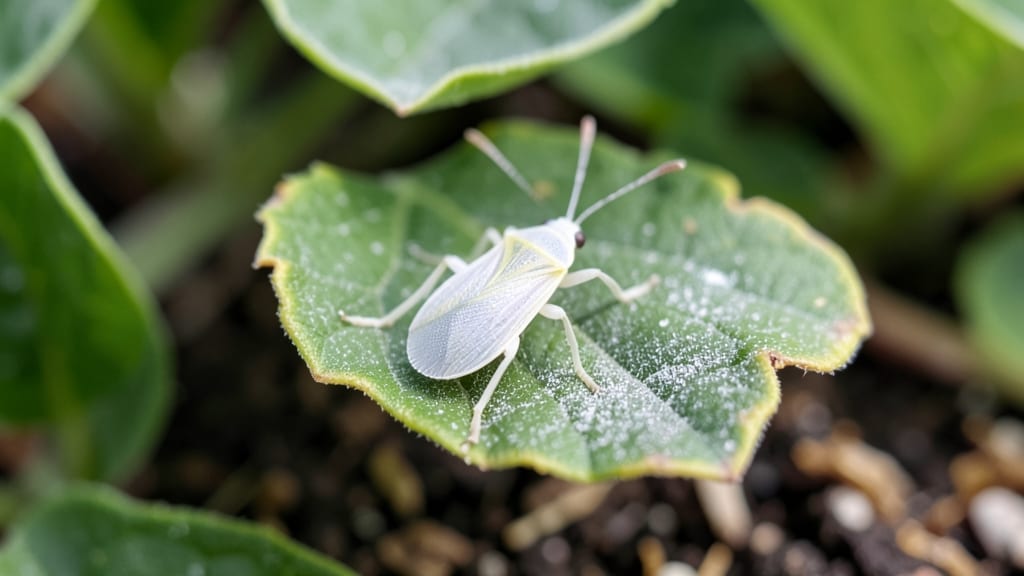
Those tiny white bugs on your leaves aren’t just annoying—they’re sucking the life out of your plants. 🌿 I’ve battled whiteflies, mealybugs, and other white leaf pests, and I’ll show you how to reclaim your garden without harsh chemicals.
The key? A mix of copper spray, neem oil, and smart garden habits that actually work.
These pests thrive in crowded, neglected plants, leaving behind sticky residue and fungal spots that weaken foliage. I’ve seen them turn vibrant leaves yellow in just a few weeks—until I switched to organic controls. The solution isn’t complicated: start with manual removal, then layer in natural sprays for lasting protection.
By the end of this, your plants will be thriving again with shiny, pest-free leaves and no more fungal spots. The best part? These methods keep your garden safe for kids and pollinators while actually fixing the root of the problem.
Whether you’re dealing with a small infestation or a full-blown outbreak, this approach works for vegetables, ornamentals, and houseplants alike. Let’s get your garden back to its best—and keep those white bugs at bay for good.
Root Causes Of Leaf Damage
When you spot white, frosted, or discolored patches on your plants, it’s often a sign of an underlying issue—especially when tiny, sap-sucking insects are lurking beneath.
The white leaf bug (commonly Siphoninus phillyreae) thrives in warm, humid climates and feeds on plant sap, leaving behind a sticky residue called honeydew. This residue fosters fungal growth, including fungal spot diseases, which further stress your plants.
Let’s break down the key reasons this happens and how these pests create a perfect storm for damage.
White leaf bugs are drawn to heat-stressed plants because their weakened defenses make them easier targets. Here’s how it plays out:
- High temperatures (above 85°F): Heat accelerates sap production in leaves, making them more appealing to bugs. Plants also produce volatiles (chemical signals) that attract pests when under stress.
- Poor air circulation: Dense foliage or crowded plants trap heat and humidity, creating a bug-friendly microclimate. Stagnant air slows evaporation, leaving leaves damp—ideal for honeydew buildup.
- Drought or overwatering: Both extremes weaken plants. Drought forces them to produce more sap (a survival tactic), while overwatering creates soggy conditions that amplify fungal spores from honeydew.
Actionable fix: Prune for airflow, water deeply but infrequently, and mulch to regulate soil temperature. 💡 Pro tip: Use reflective mulch (like aluminum foil) to deter bugs with light glare.
The real villain isn’t always the bug itself—it’s the secondary fungal infections its honeydew triggers. Here’s the science:
- Honeydew = Sugar bomb: This sticky excretion is 60–70% sucrose, fermenting quickly into an acidic, yeasty film. Fungi like Sooty Mold (e.g., Capnodium spp.) thrive in this environment, smothering leaves in black, velvety growth.
- Blocked sunlight: Sooty mold coats leaves, reducing photosynthesis by up to 50%. Starved plants turn yellow, wilt, or drop leaves—inviting more bugs to move in.
- Ants as accomplices: Many ants farm honeydew from white leaf bugs, protecting the pests in exchange for food. This creates a mutualistic nightmare for your plants.
Actionable fix: Blast leaves with water to wash away honeydew (🔥 do this in early morning to avoid fungal spread). Apply copper fungicide (like the one in this article) to disrupt fungal spores before they latch on.
Healthy plants repel pests naturally, but when their defenses are compromised, white leaf bugs move in like uninvited guests. Common triggers include:
- Nutrient deficiencies: Low nitrogen or potassium weakens cell walls, making sap easier to extract. Yellowing leaves (chlorosis) often signal a bug buffet is coming.
- Pesticide overuse: Broad-spectrum chemicals kill beneficial insects (like ladybugs or lacewings) that prey on white leaf bugs, creating a pest vacuum.
- New plant stress: Recently transplanted or shocked plants release stress hormones that attract sap-suckers within days.
Actionable fix: Boost plant health with balanced fertilizer (10-10-10 NPK ratio) and introduce beneficial nematodes (Steinernema feltiae) to target bug larvae in the soil. 🌡️ Pro tip: Use neem oil as a preventive spray—it disrupts bug feeding without harming predators.
Key takeaway: White leaf bugs don’t act alone—they exploit heat, fungal hitchhikers, and plant weakness to turn your garden into an all-you-can-eat buffet. Break the cycle by addressing environmental stress, fungal prevention, and plant resilience—and you’ll starve out the pests before they starve your plants.
Quick Fixes for Leaf Spot Woes
If your plants are showing signs of discoloration, wilting, or unsightly spots—likely caused by fungal infections like those triggered by white leaf bugs—don’t panic! The good news is that early action can save your greenery.
Below, we’ve mapped out practical, step-by-step solutions tailored to the root cause of the problem, from organic remedies to preventive measures. Let’s turn those brown spots into a thing of the past!
🔥 Step 1: Identify the Damage Before diving into fixes, confirm the issue:
- Yellow or brown spots with irregular edges? Likely fungal (e.g., Alternaria or Septoria).
- White, powdery residue?
Could be a secondary infestation (like powdery mildew). - Sticky leaves or honeydew? White leaf bugs may have left behind sap, inviting sooty mold.
Pro Tip: 💡 Snap a close-up photo of the affected area and compare it to online plant disease databases (like the University of Minnesota’s Extension) for a precise ID.
🍳 Organic Sprays: Copper’s Comeback
Copper-based fungicides are a time-tested, eco-friendly way to combat fungal spots. Here’s how to use them effectively:
- Choose Your Copper Product
- Copper sulfate pentahydrate (e.g., Bonide Copper Fungicide).
- Copper hydroxide (safer for edible plants, like TriBasic Copper).
- Avoid overusing copper—it can harm soil microbes and plants over time.
- Mix It Right
- Follow label instructions (typically 1–2 tbsp per gallon of water).
- Add a dish soap drop (like Dawn) to help the spray stick to leaves.
- Apply at the Right Time
- Best time: Early morning or late afternoon (avoid direct sunlight to prevent leaf burn).
- Cover all surfaces: Spray both sides of leaves, stems, and even the soil around the base.
- Reapply every 7–14 days until the spots fade (fungi are persistent!).
⚠️ Warning: 🌡️ Do NOT apply copper sprays if temperatures exceed 85°F (29°C)—it can scorch leaves.
👨🍳 DIY Remedies for Mild Cases
If the infection is caught early, these gentler alternatives might work:
| Remedy | How to Use | Effectiveness |
|---|---|---|
| Neem Oil Spray | Mix 1 tsp neem oil + 1 tsp mild soap + 1 quart water. Spray thoroughly. | Moderate (best for prevention) |
| Baking Soda Solution | 1 tbsp baking soda + 1 quart water + a few drops of soap. Spray leaves. | Mild (works for powdery mildew) |
| Hydrogen Peroxide | 1 tbsp 3% H₂O₂ per quart water. Spray directly on spots (test on a small area first). | Fast-acting (oxidizes fungi) |
Pro Tip: ✨ Rotate remedies to prevent fungal resistance—don’t rely on one method long-term.
🔪 Remove the Source: Prune and Clean
Fungal spores thrive in damp, decaying matter. Cut out the problem to stop its spread:
- Prune Infected Leaves
- Use sterilized pruners (wipe with rubbing alcohol between cuts).
- Remove entire leaves with spots (don’t just trim the edges—spores linger).
- Dispose of Debris Properly
- Bag and trash infected leaves immediately (don’t compost them!).
- If possible, burn severely infected plant material (check local burn regulations).
- Sanitize Your Tools
- Soak pruners in bleach water (1:10 ratio) for 10 minutes between plants.
⏰ Long-Term Prevention: Break the Cycle
Once your plants are healthy, keep them that way with these habits:
- Improve Airflow
- Space plants 3–6 inches apart (fungi love crowded, humid conditions).
- Use fan circulation in greenhouses or indoor gardens.
- Water Wisely
- Water at the base (avoid overhead sprinkling, which spreads spores).
- Water early in the day so leaves dry quickly.
- Mulch Strategically
- Use straw or pine needles (not thick layers of wood chips) to reduce soil splashing onto leaves.
- Monitor for Pests
- White leaf bugs (and other sap-suckers) weaken plants, making them fungal magnets. Check undersides of leaves weekly and treat with insecticidal soap if needed.
- Rotate Crops
- If growing veggies, avoid planting the same family (e.g., tomatoes, peppers) in the same spot for 2–3 years to prevent fungal buildup.
Before you call it a day, run through this quick recap: ✅ Sprayed copper/neem on all affected areas. ✅ Pruned and disposed of infected leaves. ✅ Adjusted watering to avoid moisture on leaves. ✅ Checked for pests and treated if necessary. ✅ Noticed improvements in 7–10 days (if not, revisit your approach).
With these targeted fixes, your plants should bounce back stronger—and stay that way. Fungal spots don’t stand a chance when you strike early and stay consistent! 🌱💪
Frequently asked questions
What’s the difference between whiteflies and white leaf bugs?
Whiteflies are tiny, winged insects that flutter when disturbed, while white leaf bugs (like Siphoninus phillyreae) are smaller, wingless, and often clustered on undersides of leaves. Both leave sticky honeydew, but whiteflies are more common in greenhouses, while white leaf bugs prefer outdoor plants like oleanders and citrus.
Can copper spray harm my plants if I use it too often?
Yes, overusing copper can damage plant tissues and harm beneficial soil microbes. Stick to the label instructions (typically every 7–14 days) and avoid applying when temperatures exceed 85°F (29°C). For long-term use, rotate with neem oil or insecticidal soap to minimize risk.
How do I know if my plants have fungal spots from white leaf bugs?
Look for black, velvety sooty mold on leaves (a sign of honeydew fermentation) or yellowing, crinkled leaves with tiny white insects underneath. If you see both, the bugs are likely the culprit. Test with a damp cloth—if it wipes off black residue, it’s fungal.
Will ants protect white leaf bugs in my garden?
Ants "farm" honeydew from these bugs, creating a mutualistic relationship. To break this cycle, use diatomaceous earth around plant bases or spray with soapy water to disrupt the ants’ access to the bugs.
Can I use neem oil on edible plants like tomatoes or peppers?
Yes, neem oil is safe for edible plants when used correctly. Mix 1 tsp neem oil + 1 tsp mild soap per quart of water and apply in the evening. Wait 24 hours before harvesting to ensure residue settles. Always test a small area first for sensitivity.