
Flowers
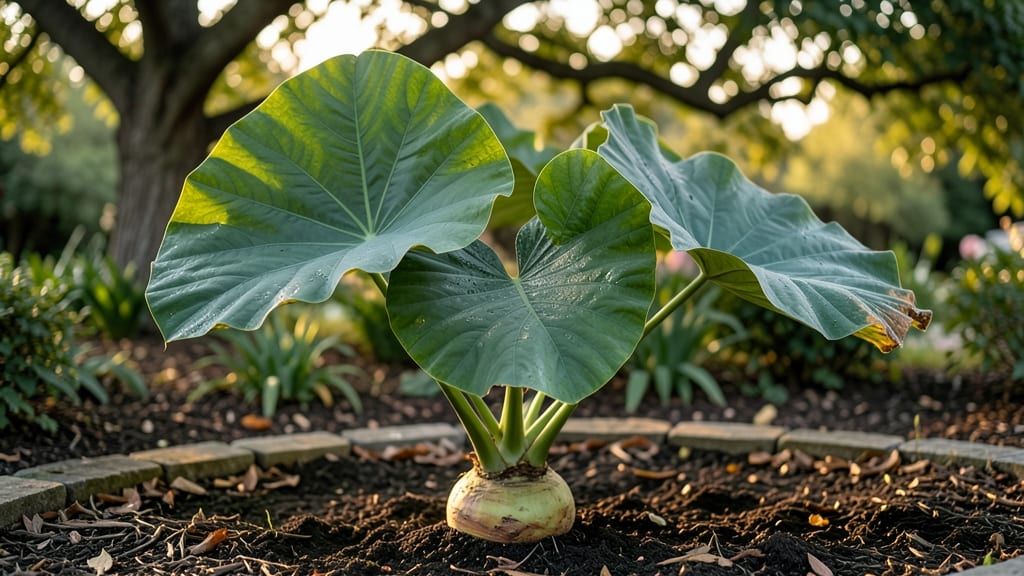
Has this flower turned a new leaf? Its crispy edges might look alarming, but they're actually telling a story. 🌿 Crispy leaf edges are rarely a death sentence—they're usually a sign your plant needs a quick adjustment, whether it's water, light, or nutrients. I've seen this happen to everything from hydrangeas to petunias, and the fix is almost always simpler than it seems.
First, check the soil moisture and watering routine—overwatering or underwatering both cause crispy edges. Yellowing leaves with crispy edges often mean too much water, while brown, dry edges point to thirst. Then examine the leaf color: purple-tinged leaves suggest phosphorus deficiency, while pale yellow hints at nitrogen issues.
Most of the time, it's a simple fix like adjusting your watering schedule or adding a balanced fertilizer.
With the right adjustments, your plants bounce back faster than you'd expect. Within a week, you'll see new growth pushing out, and the crispy edges will soften as the plant recovers.
The key is acting quickly—once the damage spreads to the whole leaf, it's too late for that one, but the plant itself is usually fine. Think of it as a wake-up call rather than a crisis.
This works for container plants, in-ground flowers, and even houseplants struggling in dry indoor air. The same principles apply whether you're dealing with annuals, perennials, or tropicals. Let's turn those crispy edges into a learning opportunity for healthier blooms all season long.
Root Causes Behind Leaf Changes
When your once-vibrant flower suddenly sports crispy edges or shifts leaf colors, it’s often a silent SOS from the plant. Understanding the why behind these changes is the first step to revival.
Below, we break down the most common culprits—each with a clear scientific explanation and actionable insights to help you diagnose the issue like a pro.
Too much love (in the form of water) can drown your plant’s roots, leading to oxygen deprivation and nutrient starvation. Here’s how it unfolds:
- Symptoms: Yellowing leaves, mushy stems, and edges that turn brown or crispy as cells collapse from excess moisture.
- Science: Overwatering disrupts the plant’s aeration in the soil. Roots suffocate, and ethylene gas (a stress hormone) builds up, signaling leaf senescence (premature aging).
- Action:
- Check soil moisture by sticking your finger 1–2 inches deep—if it’s soggy, hold off on watering.
- Repot in well-draining soil (mix in perlite or sand) if roots are waterlogged.
- Ensure pots have drainage holes to prevent soggy bottoms.
While overwatering is dramatic, underwatering is a stealthy saboteur. Leaves lose turgor pressure (the "plumpness" from water-filled cells), leading to crispy, brittle edges.
- Symptoms: Dry, papery edges, wilting, and leaves that curl or drop prematurely.
- Science: Plants lose water through transpiration (via stomata on leaves). When soil moisture drops below 30–40% (varies by plant), roots can’t replenish it fast enough, causing osmotic stress—cells shrink, and edges dry out.
- Action:
- Water deeply until it drains from the bottom (aim for 1–1.5 inches per week, adjusting for climate).
- Use a moisture meter for precise readings.
- Group plants together to create a humidity microclimate (reduces water loss).
Flowering plants are sensitive to temperature swings. Too much heat or cold can scramble their cellular processes, leading to crispy, discolored edges.
- Symptoms:
- Heat stress: Brown, crispy edges with bleached or sunburnt patches (common in direct afternoon sun).
- Cold damage: Yellowing or blackened edges, often paired with water-soaked spots (ice crystals rupture cells).
- Science:
- Heat stress triggers oxidative damage—excess sunlight generates reactive oxygen species (ROS), which "cook" cell membranes.
- Cold snaps cause cytoplasmic freezing: Water in cells expands into ice crystals, tearing cell walls.
- Action:
- Move plants to dappled shade during peak sun (10 AM–4 PM) or use shade cloth (30–50% coverage).
- For cold-sensitive plants, use row covers or mulch to insulate roots.
- Group heat-loving plants (like succulents) together to share warmth.
Too much salt, alkaline soil, or nutrient burn can turn your plant’s leaves into a science experiment gone wrong. Here’s how:
- Symptoms:
- Fertilizer burn: Brown, crispy edges with yellow halos (excess nitrogen).
- Salt buildup: White crust on soil surface + leaf tips turning brown and brittle.
- Alkaline soil (pH >7.5): Yellowing between veins (iron/chlorosis) + crispy edges.
- Science:
- Excess salts (Na+, Cl-) disrupt osmotic balance, preventing roots from absorbing water.
- High pH locks out micronutrients like iron and manganese, causing nutritional deficiency stress.
- Action:
- Flush soil with water (3x the pot’s volume) to leach out salts.
- Test soil pH (aim for 6.0–7.0 for most flowers) and amend with sulfur (to lower pH) or lime (to raise it).
- Switch to organic fertilizers (like compost tea) and dilute synthetic fertilizers to half-strength.
Not all leaf damage is environmental—tiny invaders can wreak havoc, leaving crispy edges in their wake.
- Symptoms:
- Spider mites: Fine webbing + stippled, dry leaves.
- Aphids: Sticky residue ("honeydew") + curled, crispy edges.
- Fungal infections (e.g., powdery mildew): White fuzzy patches + brown, papery leaf margins.
- Science:
- Pests pierce cells to feed, disrupting water transport and causing desiccation (drying out).
- Fungi clog stomata, reducing gas exchange and leading to oxidative stress.
- Action:
- Blast pests off with water or use neem oil (1 tsp per quart of water, spray weekly).
- Remove infected leaves immediately and isolate the plant.
- Improve airflow with pruning to prevent fungal spread.
Reviving Your Flower’s Health
When your plant’s leaves start showing crispy edges or unusual color shifts, it’s a clear sign it’s time to take action. The good news? Most of these issues can be fixed with a little care and attention.
Below, we’ll map out practical solutions based on the root cause—whether it’s overwatering, underwatering, nutrient deficiencies, pests, or environmental stress—along with prevention tips to keep your flower thriving long-term.
If your flower’s edges are brown and crispy with yellowing leaves, root rot might be the culprit. Overwatering suffocates roots, cutting off oxygen and leading to decay.
How to Fix It
🔥 Stop Watering Immediately – Let the soil dry out completely before watering again.
Stick your finger 1-2 inches deep into the soil; if it’s soggy, wait. 🍳 Repot in Well-Draining Soil – If the roots are mushy or black, trim the damaged ones with sterilized scissors and repot in a mix designed for your flower type (e.g., cactus soil for succulents, peat-based for orchids). 👨🍳 Upgrade the Pot – Ensure the container has drainage holes and avoid saucers that trap excess water.
Terracotta pots help wick away moisture. ⏰ Adjust Your Watering Schedule – Water only when the top inch of soil feels dry. Group plants with similar needs together to simplify care.
Prevention Tips:
✨ Use the "Finger Test" – Always check soil moisture before watering. 🌡️ Monitor Humidity – Some flowers (like ferns) thrive in humidity, while others (like succulents) need dry conditions.
Use a hygrometer to track levels. 🎯 Mulch Properly – A thin layer of orchid bark or perlite on top of soil helps regulate moisture.
Crispy, dry edges with no yellowing often mean your flower isn’t getting enough water or humidity. This is common in low-humidity environments (like heated homes) or if the plant is thirsty.
How to Fix It
🔥 Deep Watering Sessions – Water thoroughly until it drains from the bottom, then empty the saucer.
Repeat every 7-10 days (adjust based on your climate). 🍳 Mist Leaves Gently – Use a spray bottle to mimic natural dew, especially for tropical flowers like peace lilies or ferns.
Do this early in the day to avoid fungal growth. 👨🍳 Group Plants Together – Creating a microclimate with other plants increases humidity naturally. ⏰ Use a Pebble Tray – Fill a tray with water and pebbles, then place the pot on top (ensure the pot isn’t sitting in water).
Prevention Tips:
💡 Invest in a Humidifier – For houseplants in dry air, a small humidifier near the plant works wonders. 🌡️ Rotate Plants Seasonally – Move indoor plants near east or north windows in summer to avoid direct, drying heat. ✨ Wipe Dust Off Leaves – Dust blocks pores, making it harder for plants to absorb moisture.
Gently wipe with a damp cloth monthly.
If leaves show yellowing between veins (chlorosis) or purple stems, your flower might be starving for nutrients, often due to over-fertilizing, poor soil, or pH imbalances.
How to Fix It:
🔥 Flush the Soil – Over-fertilizing can burn roots. Water the plant thoroughly for 10-15 minutes to leach out excess salts. 🍳 Test Soil pH – Use a soil test kit to check pH. Most flowers prefer 6.0–7.0.
Adjust with lime (to raise pH) or vinegar (to lower pH) if needed. 👨🍳 Fertilize Right – Use a balanced, water-soluble fertilizer (like 10-10-10) diluted to half-strength.
Feed every 4-6 weeks in growing season (spring/summer), and stop in fall/winter. ⏰ Add Organic Matter – Mix in compost or worm castings to replenish nutrients naturally.
Prevention Tips:
💡 Follow the "Less Is More" Rule – Over-fertilizing is worse than under-fertilizing. Always read label instructions carefully. 🌱 Rotate Fertilizers – Alternate between synthetic and organic fertilizers to avoid nutrient lockout. 🎯 Repot Every 2-3 Years – Old soil loses nutrients.
Refresh with fresh potting mix when repotting.
If you spot sticky residue, tiny bugs, or chewed leaves, pests like spider mites, aphids, or mealybugs could be draining your flower’s vitality.
How to Fix It: 🔥 Isolate the Plant – Prevent pests from spreading to other plants.
Quarantine it until treated. 🍳 Wipe Off Pests – Use a soapy water solution (1 tsp mild soap per quart of water) to gently scrub leaves with a soft cloth. 👨🍳 Apply Neem Oil – Mix 1 tsp neem oil + 1 tsp mild soap + 1 quart water.
Spray every 7 days until pests are gone. ⏰ Introduce Beneficial Insects – For stubborn infestations, ladybugs or lacewings can eat pests naturally.
Prevention Tips:
💡 Inspect New Plants – Quarantine store-bought or outdoor plants for 2 weeks before introducing them to your collection. 🌡️ Keep Plants Healthy – Stressed plants attract pests.
Ensure proper light, water, and nutrients to deter infestations. ✨ Use Reflective Mulch – Aluminum foil or silver mulch around the base can repel spider mites by reflecting light.
Sudden changes in light, temperature, or airflow can shock your flower, causing crispy edges or discoloration.
How to Fix It:
🔥 Gradual Light Adjustments – If moving a plant, acclimate it slowly over 1-2 weeks to avoid sunburn or shock. 🍳 Check Temperature Zones – Most houseplants prefer 65–75°F (18–24°C).
Avoid drafts from AC, heaters, or open windows. 👨🍳 Improve Airflow – Fan on low (not direct blast) helps prevent fungal issues and keeps leaves healthy. ⏰ Rotate Plants Weekly – Ensures even light exposure and prevents lopsided growth.
Prevention Tips:
💡 Know Your Plant’s Needs – Research your flower’s native habitat (e.g., tropical = high humidity; desert = bright light). 🌱 Use Grow Lights – If natural light is insufficient, LED grow lights can supplement during winter months. 🎯 Monitor Drafts – Keep plants away from doors, windows, and vents that cause temperature swings.
Final Thought: 🌿 Most "crispy edge" issues are easily reversible with the right care. Start by identifying the cause, then follow the steps above to bring your flower back to vibrant health. Once revived, consistent maintenance will keep it thriving for years!
Frequently asked questions about your flower's new leaves
Why are my flower's new leaves turning crispy at the edges?
Crispy edges on new leaves usually mean your plant is either underwatered or struggling with low humidity. Check the soil moisture—if it's bone dry, water deeply until it drains from the bottom. For indoor plants, try misting leaves or placing a pebble tray with water nearby to boost humidity.
Could nutrient deficiency cause crispy edges on new growth?
Yes! A lack of calcium or potassium often shows up as crispy edges on newer leaves. Test your soil pH (ideal is 6.0-7.0 for most flowers). If deficient, add a balanced fertilizer or compost. For severe cases, use a calcium supplement like crushed eggshells mixed into the soil.
Is it normal for new leaves to look different from old ones?
New leaves often vary in size, shape, or color as the plant adjusts to its environment. However, if the difference includes crispy edges or unusual patterns, it signals stress. Compare the new growth to healthy older leaves—if the change is drastic, check water, light, and recent care adjustments.
How quickly should I expect improvement after fixing the problem?
With proper care, you'll typically see improvement in 3-7 days—new growth will soften, and crispy edges will recover. For severe cases (like root rot), recovery may take 2-4 weeks
Can I save a plant if most new leaves are already crispy?
Yes! Even if new leaves are damaged, the plant's roots and stem are likely still healthy. Prune the crispy leaves (use clean scissors) and focus on adjusting care. With proper watering and humidity, the plant will produce fresh, healthy growth within 2-3 weeks.