
Pests and Diseases
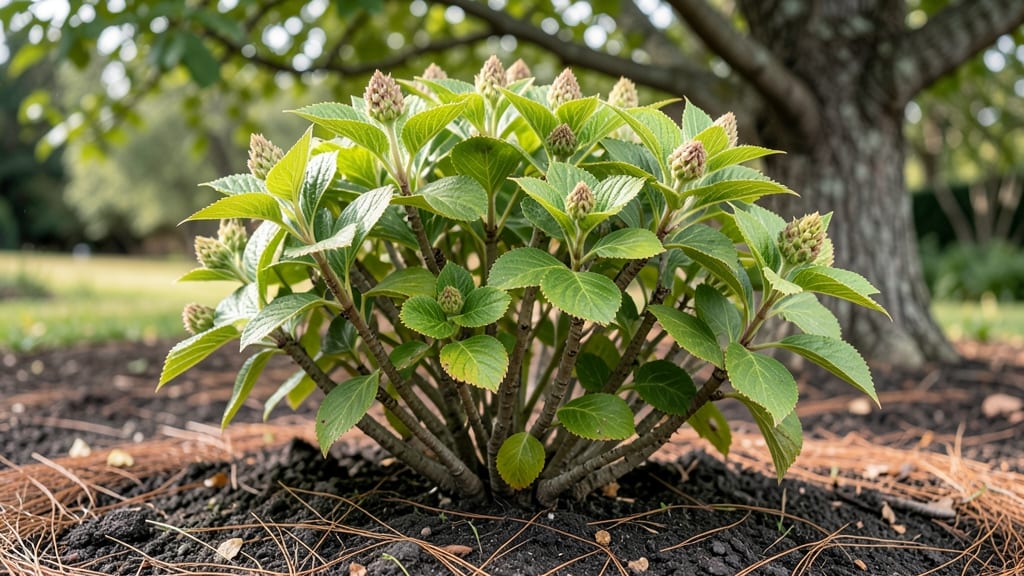
Hydrangeas leaf out in late winter to early spring, a critical window for their growth and bloom potential.
If you’ve ever stared at your dormant 🌸 hydrangea bushes in February, wondering why they’re still asleep, you’re not alone. The timing of their leaf-out depends on your climate zone, soil warmth, and even last year’s pruning choices.
Get it wrong, and you might miss the best window to prep for vibrant summer blooms.
In USDA Zone 6a (like much of the Midwest), leaf-out typically begins in early April, just after the last frost. But in warmer zones, like Florida or California, buds may swell as early as February.
Below, I’ll break down the exact timing by region, how to spot bud swelling, and what to do if your hydrangeas lag behind schedule.
You’ll also discover how to adjust pruning, soil checks, and even fertilizer timing to give your 🌸 hydrangeas the best shot at a lush, colorful season—without the guesswork.
Hydrangea leaf-out timeline by USDA hardiness zones
Timing the leaf-out of your hydrangeas depends heavily on your USDA hardiness zone and local microclimates.
In colder Zone 3 or Zone 4, buds may not swell until late April or early May, while Zone 9 and Zone 10 hydrangeas often leaf out as early as February or March.
Understanding these variations helps you prepare for new growth and avoid common mistakes like over-pruning too early or missing soil prep.
Regional differences also play a key role. For example, Pacific Northwest hydrangeas in Zone 7 may leaf out weeks earlier than those in Zone 8 Florida due to cooler coastal climates.
Meanwhile, Deep South varieties often face late-winter frosts that delay emergence until mid-to-late April. Let’s break down the exact leaf-out windows for each hydrangea type and zone.
| USDA Zone | Bigleaf Hydrangea | Oakleaf Hydrangea | Panicle Hydrangea | Smooth Hydrangea |
|---|---|---|---|---|
| Zone 3 | Late April - Early May | Early May | Mid-April | Late April |
| Zone 4 | Early April - Mid-April | Late April | Early April | Early April |
| Zone 5 | Mid-March - Early April | Early April | Late March | Late March |
| Zone 6 | Late February - Mid-March | Early March | Late February | Late February |
| Zone 7 | January - Early February | February | January | January |
| Zone 8 | December - January | January | December | December |
| Zone 9 | November - December |
How to predict your hydrangeas’ leaf-out date (without guessing)Predicting when your hydrangeas will leaf out doesn’t require a crystal ball—just a few simple observations. I’ve learned that timing this spring awakening helps me prepare for pruning, fertilizing, and pest control before blooms even appear. The key lies in understanding your local climate and watching for subtle signs of life. Hydrangeas typically break dormancy when soil temperatures consistently reach 50°F (10°C)—this is your first clue. In USDA Zone 6, where I garden, this usually happens between late March and early April. However, regional variations mean your timeline could shift by weeks depending on whether you’re in the Pacific Northwest or the Deep South. 1
Track soil temperature
Use a soil thermometer to confirm 50°F+ consistency. This triggers root activity and bud swelling. 2
Monitor bud swelling
Inspect dormant buds in late winter—look for slight puffiness or color change from brown to green. 3
Check local frost-free dates
Leaf-out typically occurs 2-4 weeks after your average last frost date. Cross-reference with your USDA Zone. 4
Observe nearby plants
Compare your hydrangeas to forcing indicators like forsythia or lilac—these bloom first and signal hydrangea readiness. 5
Adjust for microclimates
South-facing slopes or urban heat islands may leaf out 1-2 weeks earlier than surrounding areas. Once you’ve confirmed these signs, you can expect leaf emergence within 7-14 days. I’ve found that Bigleaf hydrangeas often leaf out slightly earlier than Panicle types, so variety matters too. Pro tip: Mark your calendar when buds first swell—this gives you a 30-day window to prepare for pruning or fertilizing. If your hydrangeas still haven’t leafed out by mid-May in most zones, it’s time to investigate. Cold damage, improper pruning, or even root rot could be holding them back. But with these prediction methods, you’ll catch potential issues early and give your plants the best shot at show-stopping blooms this season. Remember, every garden is unique—your hydrangeas might follow a slightly different schedule. The more you observe, the better you’ll understand their personal rhythm. Happy leaf-out hunting! 🌿 |