
Pruning
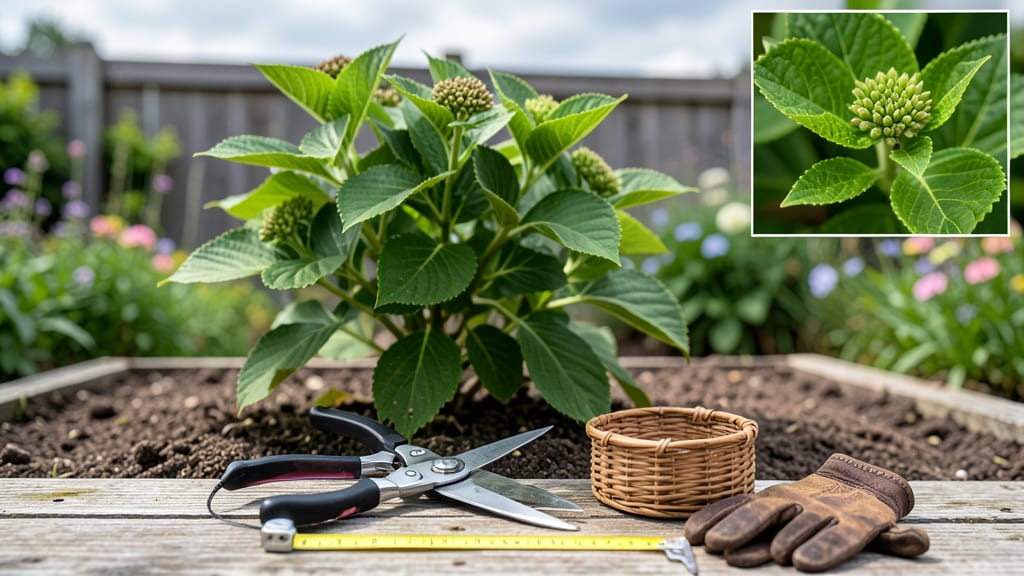
Bigleaf hydrangea pruning isn't just about cutting back—it's the secret to vibrant blooms that last all summer. I learned the hard way that timing matters: prune at the wrong moment, and you might end up with sparse flowers or leggy stems.
The key is understanding when these plants set their buds, because bigleaf hydrangeas (Hydrangea macrophylla) bloom on old wood—meaning last year's growth holds next season's flowers.
You'll need sharp pruners, gloves, and a clear day to work. Start by removing dead or crossing branches first—they compete for energy and can block airflow. Then comes the delicate part: shaping the plant while preserving next year's blooms.
Think of it like sculpting: you're not just cutting, you're guiding the plant's growth pattern. For established plants, aim to trim back no more than 1/3 of the plant in late winter or early spring, before new growth begins.
The reward is worth the effort: lush clusters of blooms that transform your garden from mid-summer through fall. Proper pruning also prevents disease by improving airflow, and keeps your hydrangeas looking neat and intentional rather than wild.
The first time I saw my pruned plants burst into color, I knew I'd cracked the code—no more sparse, sad-looking bushes.
For older plants that need rejuvenation, you can do a more aggressive prune in early spring, cutting back half the stems to encourage fresh growth. Just be patient—it may take a season or two for them to rebound fully.
The key is consistency: a little maintenance now means fewer headaches later, and hydrangeas that perform beautifully year after year.
📚 In This Guide
- What you need
- Instructions
- Tips and common mistakes
- Wrapping up and next steps
What you need
- ● Pruning shears – Bypass pruners (sharp, clean blades, 5–7" size) for clean cuts. (Avoid anvil pruners—they crush stems!)
- ● Loppers – Bypass-style (18–24" handles) for thicker stems (½"–1" diameter). (Look for ratcheting models for extra leverage.)
- ● Hand pruners – For fine-tuning (smaller, 4–5" blades) for delicate cuts.
- ● Garden gloves – Cut-resistant (nitrile or leather) to protect hands from thorns.
- ● Disinfectant (70% isopropyl alcohol or bleach solution) – 1 part bleach to 9 parts water to sterilize tools between cuts.
- ● Rag or paper towels – For wiping blades and cleaning sap.
- ○ Marking twine or flags – Optional but helpful for tagging branches to remove later.
- ● Weather check – Prune on a dry, cloudy day (avoid rain or extreme heat).
- ● Safety gear – Sunglasses (to shield from debris) and closed-toe shoes (for stability).
- ● Cleanup supplies – Garden bags or bucket for debris (compost or trash).
- ● Ladder (if needed) – Sturdy, extendable for high branches (3–6 ft reach).
- ○ Hydrangea care guide – Optional but useful: Note your plant’s age (mature vs. young) and bloom type (old wood vs. new wood).
Instructions for pruning bigleaf hydrangeas
Here’s how I prune bigleaf hydrangeas to guarantee vibrant blooms year after year—no guesswork involved.
Identify Old and New Wood
Bigleaf hydrangeas bloom on new wood, meaning last year’s growth produces this year’s flowers. Look for woody stems that have already flowered—they’re the ones to cut back. New growth appears as green shoots emerging from the base or along the stems.
I always wait until late winter or early spring, just as the buds begin to swell but before any leaves appear. This timing ensures I don’t accidentally remove next year’s blooms. If you’re unsure, snap a stem—if it’s brown and hollow, it’s old wood; if it’s green and pliable, it’s new.
Cut Back Old Wood to the Base
Using clean, sharp pruners, cut back all woody stems that have already bloomed to within ½ inch of the ground. This encourages the plant to focus energy on new growth rather than maintaining old stems. I make the cut at a 45-degree angle just above a bud or node to promote faster healing.
Don’t worry if the plant looks stark after pruning—bigleaf hydrangeas are resilient. The key is removing last year’s flower stems entirely while leaving the green shoots untouched. These new stems will produce this year’s blooms.
Thin Out Crowded Stems
After removing old wood, assess the remaining stems. If the plant has more than 10-12 stems, thin out the weakest or most crowded ones to improve airflow. This prevents disease and ensures each remaining stem gets enough sunlight and nutrients for strong blooms.
I prioritize keeping the healthiest, most upright stems while removing those that cross or rub against others. A well-thinned hydrangea will have larger, more abundant flowers and fewer pests. Avoid cutting back more than ⅓ of the plant’s total stems in one season.
Shape for Balance and Airflow
Step back and evaluate the plant’s shape. Bigleaf hydrangeas thrive when they have a rounded, open structure. Trim any stems that grow inward or block sunlight from reaching the center. I aim for a balanced silhouette where light can penetrate evenly.
If the plant is leggy, I may cut back some of the longer stems by ⅓ of their length to encourage bushier growth. Avoid heavy pruning in late summer—this can reduce next year’s flower production. After shaping, remove any dead, diseased, or damaged stems immediately.
Clean Up and Monitor Growth
Rake up and dispose of all pruned material to reduce the risk of fungal diseases. Hydrangeas are prone to powdery mildew, so keeping the area around the plant clean is critical. I also apply a balanced fertilizer in early spring to support new growth.
Watch for new shoots emerging from the base in early spring—these are your future blooms. Avoid pruning these until they’ve had a chance to establish. Within 6-8 weeks, you’ll see buds forming, signaling that your pruning paid off.
Tips & tricks for perfect bigleaf hydrangea pruning
Pruning bigleaf hydrangeas might seem intimidating, but these key insights will help you avoid common pitfalls and ensure your plant thrives.
Timing is Everything: The late winter to early spring window is critical because bigleaf hydrangeas bloom on new wood. If you prune too early, you risk removing next year’s flower buds before they’ve formed. I always check for swollen buds—this is your cue that the plant is ready. Waiting until just before leaves emerge gives you that perfect margin of safety.
Precision Cutting Technique: When cutting back woody stems in Step 2, aim for a clean cut at a 45-degree angle just above a bud or node. This angled cut prevents water from pooling on the stem, which could lead to rot. I use sharp pruners to make clean cuts—dull blades crush stems, causing unnecessary stress to the plant. For stems thicker than a pencil, I make two cuts: the first at the desired length, then a second cut to remove the remaining stub.
Thinning Strategy: In Step 3, focus on creating an open, rounded structure rather than just reducing the number of stems. I look for stems that cross or grow inward, as these block airflow and sunlight. Removing just 1-2 crowded stems can make a dramatic difference in flower size and plant health. Remember, you’re not just pruning for aesthetics—you’re improving the plant’s overall vigor.
Seasonal Pruning Awareness: Avoid heavy pruning in late summer, as this can reduce next year’s flower production. The instructions mention this, but the reason is often overlooked: bigleaf hydrangeas need time to establish new growth before winter. If you must prune in summer, limit it to removing only dead or diseased stems. The plant’s energy should be focused on developing next year’s blooms, not recovering from aggressive cuts.
Pro Tips for Bigleaf Hydrangea Pruning
- Pruning bigleaf hydrangeas might seem intimidating, but these key insights will help you avoid common pitfalls and ensure your plant thrives.
- Timing is Everything: The late winter to early spring window is critical because bigleaf hydrangeas bloom on new wood.
- Precision Cutting Technique: When cutting back woody stems in Step 2, aim for a clean cut at a 45-degree angle just above a bud or node.
Frequently asked questions
Got questions about pruning your bigleaf hydrangea? You’re not alone! Here are some of the most common concerns—and their answers—to help you keep your shrub thriving and blooming beautifully.
When is the best time to prune bigleaf hydrangeas?
The ideal time is late winter or early spring (before new growth starts). This ensures you don’t accidentally cut off next year’s blooms, which form on old wood. Avoid pruning in fall—it can stimulate tender new growth that won’t survive winter. Pro tip: If you must prune in summer, do it right after flowering to minimize impact.
Do I need to prune bigleaf hydrangeas every year?
Not necessarily! Light maintenance (removing dead or crossing branches) is enough for healthy shrubs. Heavy pruning (cutting back by ⅓ or more) should only happen every 2–3 years to avoid stressing the plant. Focus on shaping and thinning out congested areas to improve airflow and blooms.
What if I prune at the wrong time and lose my flowers?
Don’t panic! Bigleaf hydrangeas are resilient. If you prune too late (after buds form in spring), you may lose that season’s blooms, but the plant will still produce new ones on next year’s growth. Fix it: Prune lightly now to encourage fresh shoots, and adjust your timing for future cuts. Over time, your hydrangea will bounce back!
Can I prune bigleaf hydrangeas for blue or pink flowers?
Yes! The color of bigleaf hydrangea blooms depends on soil pH, not pruning—but pruning can indirectly influence vibrancy. To encourage blue flowers, amend soil with sulfur (lowering pH). For pink blooms, add lime (raising pH). Prune to improve airflow, which helps the plant absorb nutrients better for richer colors.
What should I avoid when pruning bigleaf hydrangeas?
Avoid these big mistakes:
- Pruning in fall or winter—it can damage buds or invite pests.
- Cutting back to the ground—this removes next year’s blooms.
- Using dull or dirty tools—they tear branches and spread disease.
- Over-pruning healthy growth—stick to 1/3 of the plant max per year.
Wrapping up and next steps
Pruning your bigleaf hydrangea doesn’t have to be intimidating—just follow the right timing and technique, and you’ll be rewarded with stunning blooms all season long! 🌸 Whether you’re shaping for summer color or preparing for winter, a little care goes a long way.
Now that you’re armed with the know-how, grab those shears and give your hydrangea the love it deserves.
Ready to transform your garden? Start by marking your calendar for next year’s pruning schedule—early spring or right after blooming—and enjoy the beauty of your well-maintained bigleaf hydrangea! 🌿