
Flowers
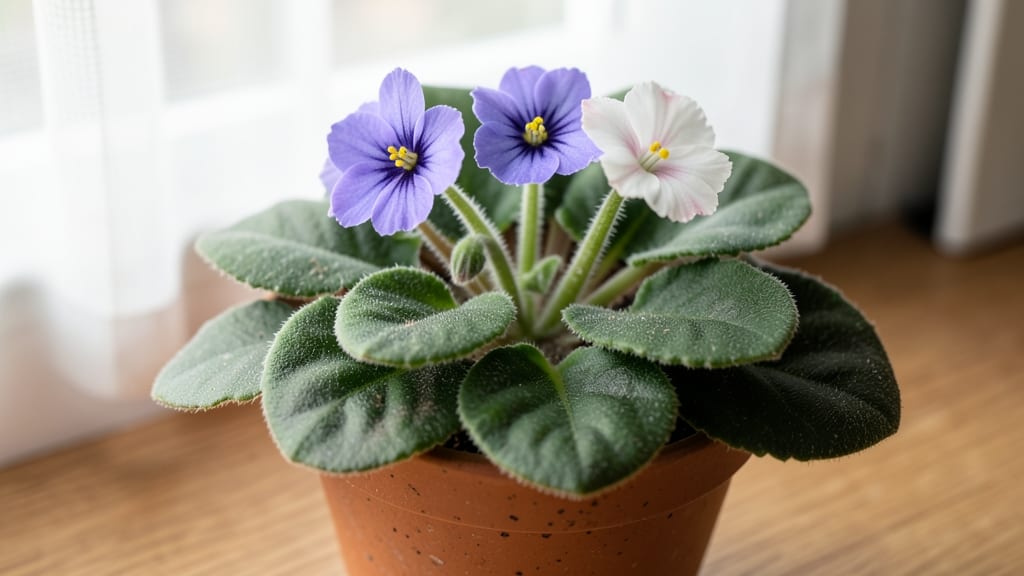
A flower that looks like a leaf is nature’s sneakiest trick—until you know what to look for. 🌿 These plants confuse even seasoned gardeners, but once you spot the pattern, you’ll see them everywhere: from the delicate veining of peace lily blooms to the waxy, leafy flowers of hoyas.
The secret? Their petals mimic foliage so well that many growers miss the flowers entirely. The illusion works because these plants evolved to blend into their environments—think tropical understories where camouflage means survival. Some, like the leafy hoya, even produce tiny, fragrant flowers that look like miniature leaves clustered together.
Others, like peperomia obtusifolia, have flowers that resemble their own foliage so closely they’re easy to overlook. The payoff? Year-round interest with minimal effort. You’ll end up with plants that stay lush and productive with just the right balance of bright, indirect light and occasional watering.
Most thrive in well-draining soil and prefer humidity, making them perfect for bathrooms or kitchens. The challenge? Training yourself to look closer—those "leaves" might actually be blooms waiting to be discovered. Works for indoor collections, shady garden corners, or even as conversation starters.
Here’s how to tell flowers from foliage—and why it matters.
Nature’s Sneaky Tricks Explained
When your prized blooms start resembling leaves instead of flowers, it’s not just a case of "bad luck"—it’s usually a clever survival strategy or a sign of stress. Here’s why plants pull this botanical illusion and how to decode their signals.
Some plants intentionally mimic leaves to avoid becoming a snack. In the wild, flowers that resemble foliage trick pollinators into thinking they’re already past their prime, deterring pests or thieves. For example:
- Caladiums (Angel Wings): Their "flowers" are actually modified leaves (spathes) that protect tiny inflorescences. The bright colors lure pollinators close, but the leaf-like shape keeps browsers away.
- Peace Lilies (Spathiphyllum): Their white "flowers" are spathes—modified bracts—while the real blooms hide behind them. This disguise helps them survive in low-light jungles where predators lurk.
Pro Tip: 💡 If your plant’s "flowers" look like leaves, it might be supposed to! Research its natural habitat—some species rely on this trick for survival.
Environmental stressors can force plants to prioritize survival over showy blooms. If your flower looks like a leaf, it’s likely:
🔥 Too Much or Too Little Light
| Symptom | Cause | Fix |
|---|---|---|
| Leaflike "flowers" with no color | Low light (e.g., African Violets or Calatheas) | Move to bright, indirect light (east/west windows). Avoid harsh midday sun. |
| Flowers shrivel into green, leafy structures | Excessive sun (e.g., Begonias or Impatiens) | Provide dappled shade or use sheer curtains. |
💧 Water Woes: Over or Under
- Overwatering: Root rot suffocates the plant, causing it to redirect energy into leafy growth (e.g., Orchids or Gardenia). Fix: Let soil dry 2–3 inches deep between waterings.
- Underwatering: Stress triggers "leafy" buds to conserve moisture (e.g., Succulents like Echeveria). Fix: Water deeply but infrequently (once a week in summer).
🌡️ Temperature & Humidity Shifts
Sudden drafts (AC vents, open windows) or low humidity can shock plants into producing foliage-like structures instead of flowers. For example:
- Hoya or String of Hearts may grow elongated, leafy stems if temperatures drop below 60°F (15°C).
- African Violets produce tiny, greenish "buds" in dry air (<30% humidity).
Pro Tip: ✨ Use a humidifier or place plants on a pebble tray to mimic tropical conditions.
Some plants are hardwired to produce leafy flowers due to:
- Hybridization Errors: Crossbreeding can suppress flower development. For example, Anthurium hybrids sometimes grow sterile spathes that look like leaves.
- Variegation Gone Rogue: Plants with white/yellow stripes (e.g., Snake Plant) may produce all-leaf shoots if the chlorophyll is unevenly distributed.
- Age-Related Regression: Older Rubber Plants (Ficus elastica) may produce leafy, non-flowering stems as they mature.
Action Step: 🔍 If the issue is genetic, focus on propagating healthy leaves or choosing a different cultivar.
Most "leafy flowers" are a mix of evolutionary genius and environmental SOS signals. By tweaking care or accepting the plant’s natural quirks, you’ll unlock the secret to year-round drama—whether it’s blooms or bold foliage!
Quick Fixes For Leafy-Looking Blooms
If your prized flowers are blending into the foliage like a botanical camouflage act, don’t panic—there’s a solution for every scenario! Below, we’ll break down the most common causes of leafy-looking blooms and match them with practical fixes.
Whether it’s lighting, genetics, or care habits, we’ve got you covered with step-by-step action plans.
When flowers don’t get enough (or too much) light, they can appear dull, flattened, or even resemble leaves. This is especially true for varieties like Spanish Bluebells or Sweet Woodruff, which naturally have delicate blooms that fade in harsh conditions.
🔥 How to Fix It
| Issue | Solution | Prevention Tip |
|---|---|---|
| Too little light | Move plants to a bright, indirect spot (east or north-facing windows). | Use grow lights (LED or fluorescent) for 12–14 hours/day if natural light is scarce. |
| Too much direct sun | Provide dappled shade (e.g., sheer curtains, lattice screens). | Gradually acclimate plants to sunlight to avoid sudden stress. |
| Wrong season | Some flowers (like Hellebores) bloom in winter when light is dim. | Research your plant’s native growing conditions for optimal light needs. |
💡 Pro Tip: If your flowers still look leafy after adjusting light, they might be genetically predisposed—some varieties (like Mimulus or Lamium) naturally have leaf-like blooms. In that case, focus on enhancing their color contrast with complementary foliage.
Some plants are masquerading as leaves by design! Flowers like Begonias, Caladiums, or Hosta hybrids often have blooms that resemble foliage—especially if they’re double-flowered varieties or cultivars bred for ornamental leaves.
🍳 How to Fix It (or Embrace It!)
- 🔍 Identify the plant: Check if your "flower" is actually a modified leaf (e.g., Bromeliad bracts or Poinsettia’s colorful bracts).
- 🎨 Play with placement: Group leafy blooms with high-contrast foliage (e.g., silver, purple, or variegated leaves) to make them pop.
- 🌸 Choose showier alternatives: If you want classic flowers, opt for single-flowered varieties (e.g., Impatiens or Lobelia) instead of their double-flowered cousins.
🔥 Hot Tip: Some "leafy flowers" are edible! Try growing Sunchokes (Jerusalem Artichokes) or Sweet Potato Vine—their "blooms" are actually tubers or vines, but they’re delicious!
When plants are thirsty or drowning, their blooms can become limp, pale, or leaf-like as they conserve energy. This is common in succulents (like Echeveria) or tropicals (like Anthurium).
👨🍳 How to Fix It
| Symptom | Fix | Prevention |
|---|---|---|
| Wilting, yellow blooms | Let soil dry completely between waterings. Use a moisture meter. | Use well-draining pots with holes and cactus/succulent mix. |
| Mushy stems, droopy leaves | Stop watering and repot in fresh, dry soil. Check for root rot. | Water at the base, not overhead, to prevent fungal growth. |
| Blooms staying closed | Increase humidity (use a pebble tray or humidifier). | Group plants together to create a microclimate. |
✨ Bonus Hack: If your Anthurium blooms look like leaves, they might be starved for phosphorus—feed with a balanced fertilizer (10-10-10) every 4–6 weeks.
Flowers like Orchids or African Violets can revert to leaf-like growth if temperatures swing too wildly or humidity drops. This is especially true in dry climates or heated indoor spaces.
🔪 How to Fix It - 🌡️ Adjust temperature: Keep most flowers between 60–75°F (15–24°C).
Avoid drafts from AC vents or heat sources. - 💦 Boost humidity: Place a humidifier nearby or mist leaves daily (avoid soggy soil). - 🌧️ Create a greenhouse effect: Use a clear plastic tent over plants if humidity is consistently low.
🎯 Targeted Tip: Orchids need cool nights (50–60°F / 10–15°C) to rebloom—try moving them to a cooler basement or garage in winter.
If you’re not pruning correctly, plants may focus energy on leaf growth instead of blooms. This is common in perennials (like Coneflowers) or shrubs (like Hydrangeas).
✂️ How to Fix It
- 🌸 Deadhead spent blooms to encourage new flowers (use clean scissors).
- 🌿 Trim leggy growth to promote bushier, flower-heavy stems.
- 🌿 Avoid "topping" (cutting back too hard)—this can shock the plant.
💡 Quick Fix: For Hydrangeas, cut back last year’s stems by ⅓ in early spring to stimulate new blooms.
Not all leaf-like blooms are a problem—some are designed to be stunning! Plants like Hostas, Caladiums, and Coleus rely on foliage drama for their appeal. If you love the look, lean into it with creative container designs or monochromatic plant pairings.
For everything else? Adjust light, water, and care—and watch your plants bloom with confidence! 🌺✨
Frequently asked questions
How can I tell if my plant's "flower" is actually a leaf?
Look for tiny details! Leaf-like blooms often have veins that mimic foliage, but check for clusters of small flowers hidden inside (like peace lilies) or slight color differences (e.g., white-tipped edges). Many plants, like hoyas, grow flowers in tight clusters that resemble leaves at first glance.
Which plants naturally have flowers that look like leaves?
Top contenders include peace lilies (Spathiphyllum), hoyas (wax plants), peperomia obtusifolia, and caladiums (Angel Wings). These plants evolved to blend into their environments, making their blooms nearly indistinguishable from foliage to the untrained eye.
Why does my leafy-looking flower keep turning brown at the edges?
This usually signals low humidity or underwatering. Many leaf-like blooms (like hoyas) thrive in 60-70% humidity. Try placing a pebble tray with water nearby or misting gently. If the issue persists, check for fluoride buildup in tap water—use filtered water instead.
Can I propagate plants with leaf-like flowers?
Most can be propagated via stem cuttings (like hoyas) or leaf cuttings (peperomias). For peace lilies, divide the rhizomes in spring. Just ensure your cuttings have at least 2-3 nodes and use well-draining soil. These plants often root quickly in warm, humid conditions.