
Pruning
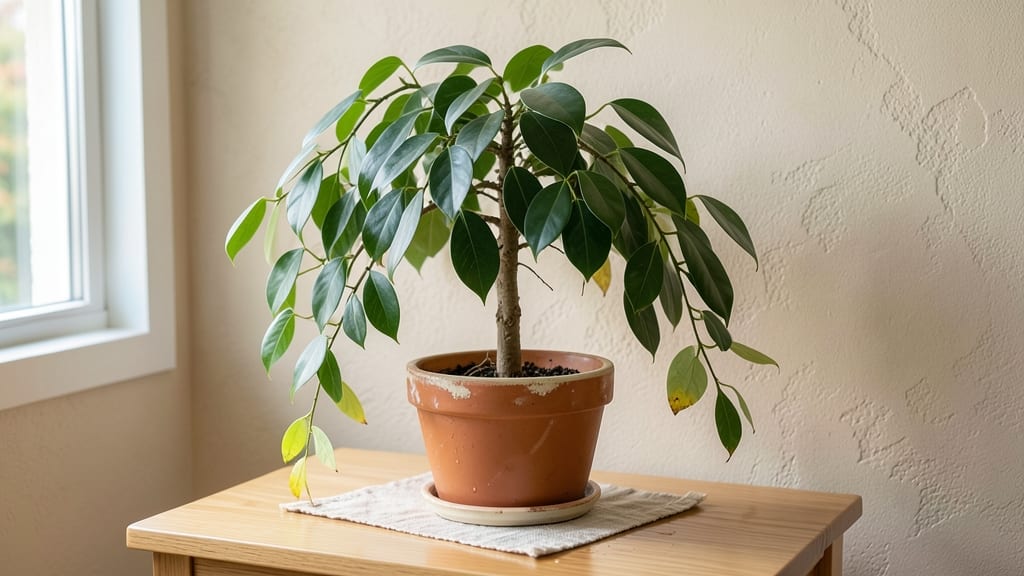
Weeping fig leaf drop happens more often than you'd think—especially when it's a mix of watering mistakes and environmental stress. 🌿 I’ve nursed back more than my share of droopy, shedding figs, and the fix always comes down to three key adjustments: water, light, and humidity.
The good news? Even if your plant is already losing leaves, it’s rarely a death sentence.
First, check the soil: if it’s bone-dry, you’ve been underwatering; if it’s soggy, you’ve overdone it. Weeping figs hate extremes—think of them like a fussy friend who needs consistent care.
Look for yellowing leaves (underwatering) or crispy brown edges (overwatering), and adjust your routine immediately. Most people overcorrect by watering too much after a drop, which just makes things worse.
Within a week of fixing the watering schedule, you’ll see new growth pushing out—bright green and full of life. The secret weapon? A pebble tray under the pot (for humidity) and a spot near a window that gets bright, indirect light.
No more guessing: your plant will tell you what it needs through its leaves.
Once you’ve got the basics down, maintenance is simple: water when the top inch of soil feels dry, mist occasionally, and avoid drafts. My weeping figs now thrive year-round, and the lesson applies to any fussy houseplant. Let’s get yours back on track!
Understanding Stress Triggers
When your weeping fig (Ficus benjamina) starts shedding leaves, it’s often a cry for help—literally. This tropical beauty is sensitive to changes in its environment, and even minor disruptions can send it into a defensive leaf-drop mode.
Let’s break down the most common stressors and why they cause your plant to panic.
Weeping figs thrive in consistent warmth (65–80°F or 18–27°C) and hate sudden temperature swings. When exposed to cold drafts (like AC vents, open windows, or chilly floors), the plant’s metabolic processes slow down, leading to leaf abscission—a survival mechanism to conserve energy.
- Why it happens: Cold air disrupts the plant’s ability to photosynthesize efficiently. The roots may also struggle to absorb water if the soil cools too quickly, starving the leaves of nutrients. - Actionable fix: Keep your plant away from drafts, heaters, and air conditioning.
If moving it outside in cooler months, acclimate it gradually over 1–2 weeks.
Weeping figs are drought-tolerant but hate soggy roots. Overwatering suffocates roots by cutting off oxygen, leading to root rot (a fungal infection). When roots can’t support the plant, leaves drop as a last resort.
- Why it happens:
- Compacted or non-porous soil holds excess moisture, creating anaerobic conditions.
- No drainage holes in pots trap water, while plastic containers (common in nursery pots) retain humidity longer than terracotta.
- Actionable fix:
- Water only when the top 1–2 inches of soil are dry (stick your finger in to check!).
- Repot in well-draining soil (cactus/succulent mix + perlite) and use pots with drainage holes.
- Avoid saucers unless emptied after watering to prevent root rot.
Weeping figs love bright, indirect light but burn or stress in direct sun or dim corners.
- Too much sun: - Leaf scorch (brown, crispy edges) signals sunburn.
The plant drops damaged leaves to protect itself. - Why it happens: UV rays break down chlorophyll, causing cellular damage. - Too little light: - Leggy growth + leaf drop occurs when the plant stretches toward light, weakening its structure. - Why it happens: Without enough light, photosynthesis slows, and the plant sheds leaves to conserve energy.
- Actionable fix:
- East or north-facing windows are ideal (soft, diffused light).
- Rotate the plant weekly for even growth.
- Use sheer curtains to filter harsh midday sun.
Native to tropical Southeast Asia, weeping figs prefer 40–50% humidity. Dry indoor air (especially in winter) causes leaf edges to brown and crisp, prompting drop-off.
- Why it happens:
- Low humidity increases transpiration (water loss through leaves), dehydrating the plant.
- Central heating or fans dry out the air further, mimicking a drought.
- Actionable fix:
- Mist leaves lightly 2–3 times a week (avoid over-saturating foliage).
- Use a humidifier near the plant or place it on a pebble tray with water.
- Group plants together to create a microclimate.
Even the most careful repotting can stress a weeping fig. Root damage or sudden environmental changes trigger leaf drop as the plant adjusts.
- Why it happens:
- Root pruning during repotting disrupts nutrient/water uptake.
- Soil composition changes (e.g., switching from peat-heavy to sandy mix) can shock the roots.
- Actionable fix:
- Repot only in spring/summer (active growth phase).
- Use the same soil type or gradually amend it over months.
- Water lightly after repotting and avoid fertilizing for 4–6 weeks.
Tiny pests like spider mites, scale, or mealybugs weaken your plant by sucking sap, leading to yellowing and premature leaf drop.
- Why it happens:
- Pests block stomata (leaf pores), reducing photosynthesis.
- Toxins from pests (like honeydew) create a hostile environment.
- Actionable fix:
- Inspect leaves regularly (use a magnifying glass for early detection).
- Wipe leaves with neem oil (1 tsp per quart of water) or rinse with soapy water.
- Isolate infested plants to prevent spread.
Over-fertilizing or using high-salt fertilizers can burn roots, causing leaf drop.
- Why it happens:
- Excess salts in soil disrupt water absorption, leading to dehydration.
- Nutrient imbalance (too much nitrogen, not enough micronutrients) stresses the plant.
- Actionable fix:
- Dilute fertilizer to half-strength and apply every 6–8 weeks in growing season.
- Flush soil with water every 3 months to remove salt buildup.
- Use organic options (fish emulsion, worm castings) for gentler feeding.
Leaf drop is often a combination of stressors. For example:
- Cold draft + overwatering = accelerated root rot.
- Low light + underwatering = weakened structure.
Diagnose step-by-step:
- Check soil moisture (is it soggy or bone-dry?).
- Inspect leaves for pests or burn marks.
- Observe location (near a window? AC vent?).
By identifying the primary stressor, you can target fixes and revive your weeping fig faster!
Revive Your Dropping Leaves
Now that you know why your weeping fig is shedding leaves, let’s roll up our sleeves and bring it back to life! 🌿✨ The good news? Most of the time, these fixes are simple and fast-acting.
Below, we’ll tackle the most common causes with step-by-step solutions—plus pro tips to keep your plant thriving long-term.
Fix: Let the soil dry out and improve drainage.
- Stop Watering Immediately 🚰
- If the soil feels soggy or waterlogged, pause watering for 3–5 days to let excess moisture evaporate.
- Stick your finger 1–2 inches deep—if it’s damp, wait longer.
- Check the Pot 🏺
- Does it have drainage holes? If not, repot into a container with holes or add a layer of pebbles at the bottom.
- Pro Tip: If repotting, use a well-draining potting mix (cactus/succulent mix works well).
- Adjust Your Watering Routine ☀️
- Water only when the top 1–2 inches of soil are dry (usually every 10–14 days in winter, 7–10 days in summer).
- Bottom-watering (placing the pot in a tray of water for 10–15 mins) helps prevent root rot.
Prevention:
- Use a moisture meter to track soil dryness.
- Avoid misting the leaves—this adds extra moisture and encourages fungal issues.
Fix: Hydrate the plant and boost humidity.
- Water Deeply and Thoroughly 💦
- When you water, soak the soil until water drains from the bottom. Empty the saucer afterward to avoid soggy roots.
- Sign of improvement: New leaves should appear within 2–4 weeks.
- Increase Humidity 🌬️
- Weeping figs love 40–50% humidity. Try:
- A humidifier near the plant.
- Grouping plants together (they create a microclimate).
- Placing the pot on a pebble tray with water (ensure the pot sits above the water).
- Weeping figs love 40–50% humidity. Try:
- Mist Gently (But Not Too Much!) 🌧️
- Lightly mist the leaves 2–3 times a week (avoid overdoing it—this can cause leaf drop too!).
Prevention:
- Rotate the plant weekly so all sides get even light.
- Use a hygrometer to monitor humidity levels.
Fix: Acclimate your plant gradually.
- Move It Slowly 🐢
- If you recently moved the plant, transition it over 1–2 weeks. Start with 1–2 hours of indirect light per day, then increase gradually.
- Avoid: Direct sunlight (like a south-facing window) or drafty spots (near AC vents or doors).
- Stabilize Temperature 🌡️
- Keep your weeping fig in a consistent 60–75°F (15–24°C) range. Avoid cold drafts or heaters.
- Quick fix: If temperatures drop below 55°F (13°C), move it to a warmer spot.
Prevention:
- Place the plant in a low-traffic area (like a bookshelf) to avoid accidental bumps.
- Use thermal curtains in winter to buffer temperature swings.
Fix: Fertilize and repot if needed.
- Fertilize Lightly 🌱
- Use a balanced liquid fertilizer (like 10-10-10) diluted to half-strength every 4–6 weeks in spring/summer.
- Skip fertilizing in fall/winter—your plant is dormant!
- Check Root Health 👀 - Gently remove the plant from its pot.
If roots are circling tightly or the pot is root-bound, it’s time to repot. - How to repot: - Choose a pot 1–2 inches larger in diameter. - Trim any mushy or black roots (use sterilized scissors). - Refresh the soil with a light, airy mix.
Prevention:
- Fertilize sparingly—overdoing it burns roots!
- Repot every 2–3 years to prevent root crowding.
Fix: Isolate, treat, and clean.
- Identify the Problem 🕵️♂️
- Spider mites? Wipe leaves with a soapy water cloth (1 tsp mild soap + 1 quart water).
- Scale insects? Scrape off with a soft toothbrush dipped in rubbing alcohol.
- Fungal issues (like powdery mildew)? Spray with neem oil (mix 1 tbsp neem oil + 1 tsp mild soap + 1 quart water).
- Quarantine the Plant 🛑
- Move it away from other houseplants to prevent spreading.
- Boost Recovery 🛡️
- After treating pests, rinse leaves with clean water to remove residue.
- Increase airflow (but avoid direct drafts) to help the plant heal.
Prevention:
- Inspect new plants before bringing them home.
- Wipe leaves monthly with a damp cloth to spot early signs of pests.
Final Thought: Most weeping figs bounce back within 4–8 weeks with the right care! 🎉 If you’ve tried these fixes and the leaf drop persists, double-check for hidden pests or root rot (smelly, mushy roots = time to repot aggressively).
Patience and consistency are key—your plant will thank you with lush, happy leaves!
Frequently asked questions
Why does my weeping fig drop leaves suddenly after moving it?
Weeping figs are sensitive to environmental changes, and sudden moves can trigger stress. The plant reacts by dropping leaves to conserve energy. To help it adjust, move it gradually over 1-2 weeks, avoiding direct sunlight or drafts. Keep temperatures stable between 65-80°F and maintain consistent watering.
Can I save my weeping fig if half the leaves are already gone?
Even with heavy leaf drop, your plant can recover if the roots are healthy. Focus on fixing the root cause (water, light, or humidity) and give it 4-8 weeks of consistent care. New growth should appear as the plant stabilizes—just avoid overwatering or fertilizing during recovery.
How do I know if my weeping fig is getting too much or too little water?
Check the soil and leaves: Overwatered plants have yellow leaves, mushy stems, and soil that stays soggy for days. Underwatered plants show crispy brown edges and dry soil that pulls away from the pot. Stick your finger 1-2 inches deep—if it's dry, water thoroughly; if damp, wait 3-5 more days.
Will my weeping fig drop leaves if I change its pot size?
Yes, repotting—especially to a much larger pot—can stress your plant. Choose a container only 1-2 inches wider than the current one and use fresh, well-draining soil. Avoid repotting during winter (dormant season) and water lightly for 2 weeks afterward. If roots look healthy, the plant should recover quickly.
How often should I fertilize a weeping fig with leaf drop issues?
Hold off on fertilizing until your plant shows new growth! Once recovered, use a balanced liquid fertilizer (diluted to half-strength) every 6-8 weeks in spring/summer only. Over-fertilizing burns roots and worsens leaf drop. Flush the soil with water every 3 months to prevent salt buildup.