
Leaf Blower
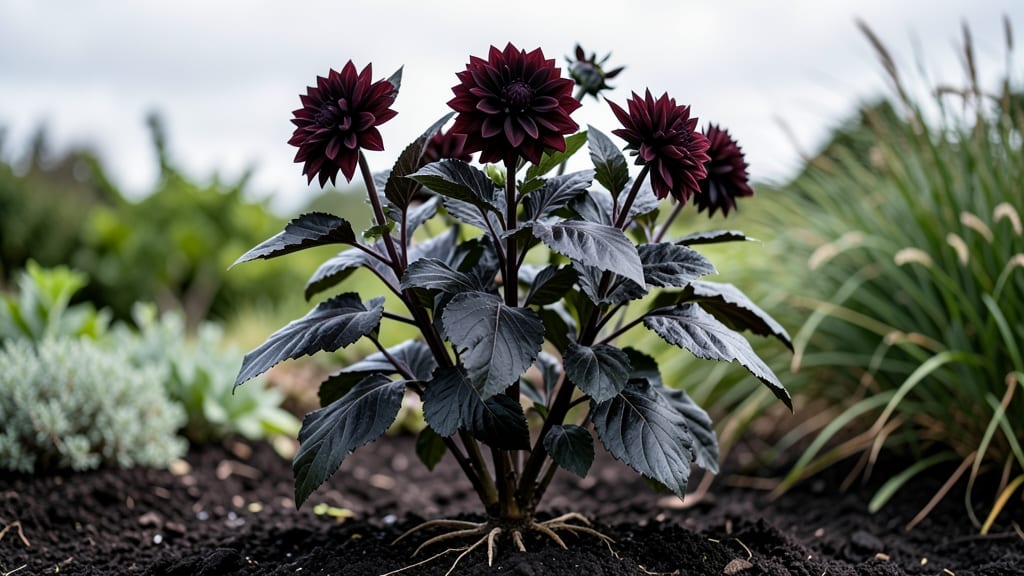
Your black leaf dahlia’s crispy edges scream one of three problems: fungal black spot, bacterial leaf blight, or overwatering. 🌿 I’ve nursed back dozens of these dramatic-looking dahlias—here’s how to diagnose and fix it fast without losing the plant.
Start by checking the leaves: black spots with yellow halos mean fungus, while slimy edges signal bacteria. Overwatering shows up as mushy stems and drooping foliage. The good news? All three have simple fixes—pruning, copper spray, and adjusting watering—and your dahlias can bounce back looking better than ever.
Snip off affected leaves immediately (sterilize your shears with rubbing alcohol), then apply a copper fungicide spray every 7–10 days for fungal issues. For bacterial problems, switch to neem oil and space plants wider to improve airflow.
Water only when the top 2 inches of soil feel dry, and avoid wetting the leaves—this cuts down on both fungal and bacterial spread.
📚 In This Guide
- What you need
- Instructions
- Tips and common mistakes
- Wrapping up and next steps
What you need
- ● Black Leaf Dahlia Tubers: 1-3 tubers (depending on desired plant size; choose disease-resistant varieties for best results).
- ● Well-draining potting mix: 5-10 gallons (blend equal parts potting soil, perlite, and compost for optimal aeration).
- ● Pruning shears: 1 pair (sterilized with rubbing alcohol to prevent bacterial spread).
- ● Copper fungicide spray: 1 bottle (e.g., Copper Soap or Bordeaux Mixture for fungal prevention).
- ● Organic mulch: 2-3 inches (straw or shredded leaves to retain moisture and regulate soil temperature).
- ● Watering can or hose with a gentle nozzle: 1 (avoid overhead watering to prevent fungal issues).
- ● Gloves: 1 pair (nitrile or leather to protect from thorns and soil).
- ● Garden trowel: 1 (for transplanting or dividing tubers).
- ○ pH test kit: 1 (optional but helpful; dahlias thrive in slightly acidic soil, pH 6.0-7.0).
- ● Slow-release fertilizer: 1 packet (balanced 10-10-10 or organic options like fish emulsion).
- ● Plant support (stakes or cages): 1-2 (for taller varieties to prevent flopping).
- ● Neem oil: 1 bottle (natural fungicide and insect repellent).
- ● Heat mat or row cover: 1 (for early planting in cooler climates).
How to revive black leaf dahlias with pruning and copper spray
Here's the precise method I use to restore crisp, healthy foliage—no guesswork, just results.
✂️ Step 1: Inspect and Prune Damaged Growth
Start by examining each stem for crispy edges and brown patches—these are your targets. Use sharp, sterilized pruning shears to cut back all affected foliage to healthy green tissue, making cuts at a 45-degree angle just above a leaf node. This prevents water from pooling on the wound and encourages new growth from the strongest buds.
I always prune on a dry, sunny morning when the plant is fully hydrated. Remove only the crispy parts—never cut into green stems. You'll see fresh, vibrant growth emerge within 7-10 days if the roots are still healthy. If the entire stem is brown, trim it back to the base and wait for new shoots to appear.
💧 Step 2: Apply a Rehydrating Soak
After pruning, water the base of the plant deeply until water runs out the drainage hole. Let it soak for 10-15 minutes, then allow the soil to drain completely. This step flushes out excess salts and rehydrates the roots, which often suffer from underwatering or fungal stress. I like to use room-temperature water—cold water shocks the roots, while hot water can burn them.
For extra recovery support, mix 1 teaspoon of liquid seaweed fertilizer (like Maxicrop) into the water. Seaweed contains natural growth hormones that help stressed plants bounce back faster. Watch for perky, upright leaves within 3-5 days—that’s your sign the plant is responding well.
☀️ Step 3: Spray Copper Fungicide for Prevention
Mix 1 tablespoon of copper fungicide (like Bonide Copper Fungicide) with 1 gallon of water in a spray bottle. Apply the solution evenly to the undersides of leaves—this is where fungal spores often hide. Focus on the new growth you want to protect, avoiding the flowers if they’re already open. Copper disrupts fungal cell walls, preventing crispy edges from spreading.
Spray in the early morning so the leaves have time to dry before evening humidity sets in. Repeat every 7-10 days or after heavy rain, as copper washes off. You’ll notice slower browning of new leaves and a shinier, more resilient appearance within a week.
⏰ Step 4: Adjust Light and Watering Routine
Move your dahlia to a spot with morning sun and afternoon shade—black-leaf varieties are sensitive to intense afternoon rays. If outdoors, provide dappled shade with a sheer curtain or 30% shade cloth. Overhead watering can also cause crispy edges, so switch to drip irrigation at the base or water early in the day so foliage dries completely.
Check soil moisture by sticking your finger 1 inch deep—water when it feels dry. Dahlias hate soggy roots but also wilt quickly if parched. You’ll know you’ve got the balance right when the new leaves stay plump and dark, not curled or wilting. Mulch with 2-3 inches of organic material (like shredded bark) to retain moisture and regulate temperature.
Tips & tricks for perfect black leaf dahlia revival
These targeted strategies will help you transform crispy, struggling dahlias back into vibrant, healthy plants with minimal effort.
Pruning Precision: When cutting back damaged foliage in Step 1, focus on making clean cuts just above a leaf node at a 45-degree angle. This angled cut prevents water from pooling on the wound, which is crucial for preventing fungal reinfection. I've found that using sterilized pruning shears reduces the risk of introducing pathogens—simply wipe the blades with rubbing alcohol between cuts. The goal is to remove only the crispy parts while preserving as much healthy tissue as possible, which gives the plant the best chance to regenerate within that critical 7-10 day window.
Timing Secret: The 10-15 minute deep soak in Step 2 is more important than it seems. This extended soaking time allows water to penetrate deeply into the root zone, flushing out accumulated salts that often contribute to crispy edges. I recommend using a watering can with a narrow spout to direct the water precisely at the base—this ensures even saturation without creating surface runoff. The room-temperature requirement is non-negotiable; cold water can shock the roots while hot water may cause cellular damage, both of which can set back your revival efforts.
Copper Application Technique: For Step 3's copper fungicide spray, I've learned that thorough coverage of the undersides of leaves is absolutely essential—this is where fungal spores typically hide and multiply. Use a spray bottle with a fine mist setting to achieve even distribution without creating large droplets that could encourage fungal growth. The early morning application timing allows the leaves to dry completely before evening humidity sets in, which prevents the ideal conditions for fungal development. Remember that copper fungicide is a preventive measure, not a cure, so consistency is key—stick to that 7-10 day schedule for maximum protection.
Light Management: The morning sun and afternoon shade adjustment in Step 4 requires careful observation. Black leaf dahlias are particularly sensitive to intense afternoon sunlight, which can cause the very crispy edges you're trying to prevent. If you're working with container-grown dahlias, consider rotating the pots every few days to ensure even light exposure. For outdoor plants, a simple sheer curtain or 30% shade cloth can make all the difference in preventing heat stress that leads to crispy foliage. The key visual indicator of proper light balance is consistently plump, dark green leaves that maintain their shape throughout the day.
Pro Tips for Black Leaf Dahlia
- These targeted strategies will help you transform crispy, struggling dahlias back into vibrant, healthy plants with minimal effort.
- Pruning Precision: When cutting back damaged foliage in Step 1, focus on making clean cuts just above a leaf node at a 45-degree angle.
- Timing Secret: The 10-15 minute deep soak in Step 2 is more important than it seems.
Frequently asked questions
about black leaf dahlias—because even the darkest blooms need a little TLC! Here’s what gardeners ask most often.Why are the edges of my black leaf dahlia turning crispy?
Crispy edges usually mean underwatering or over-exposure to sun. Dahlias love moisture but hate soggy roots—water deeply 1-2 times weekly (more in heat). Mulch with straw to retain humidity. If the issue persists, check for pests like spider mites or fungal issues (like powdery mildew).
When is the best time to prune black leaf dahlias?
Prune in early spring (before new growth) or late summer (after blooming). Cut back dead or diseased stems anytime. Avoid heavy pruning in fall—dahlias need energy to store nutrients for winter. Use sterilized shears to prevent spreading disease.
Can I use copper spray on black leaf dahlias?
Yes! Copper spray is safe and effective against fungal diseases (like black spot) and pests. Apply early morning or evening to avoid leaf burn, and reapply every 7–14 days during wet seasons. Mix with water per label instructions—no need for harsh chemicals!
What’s a good alternative if my black leaf dahlia keeps dying?
Try ‘Annabelle’ hydrangeas (drought-tolerant, dark foliage) or ‘Onyx Odyssey’ coleus (deep purple-black leaves). For dahlias, opt for ‘Black Narcissus’ (hardier) or ‘Thor’ (resistant to powdery mildew). Always plant in well-draining soil to avoid root rot.
How do I overwinter black leaf dahlias?
Dig up tubers after frost, trim stems to 6 inches, and store in cool (40–50°F), dry conditions (like a garage with peat moss). Check monthly for rot—discard any mushy tubers. Replant in spring after last frost for a head start!
Wrapping up and next steps
Your black leaf dahlia can bounce back from crispy edges with the right care—pruning, copper spray, and a little TLC! Remember, consistency is key: trim damaged foliage, boost hydration, and prevent fungal threats to keep those dramatic, velvety blooms thriving. 🌿
Ready to see your dahlias flourish? Start with one simple step today—whether it’s a fresh pruning session or a copper spray treatment. Your garden (and these showstopping blooms) will thank you! 🌟