
Pruning
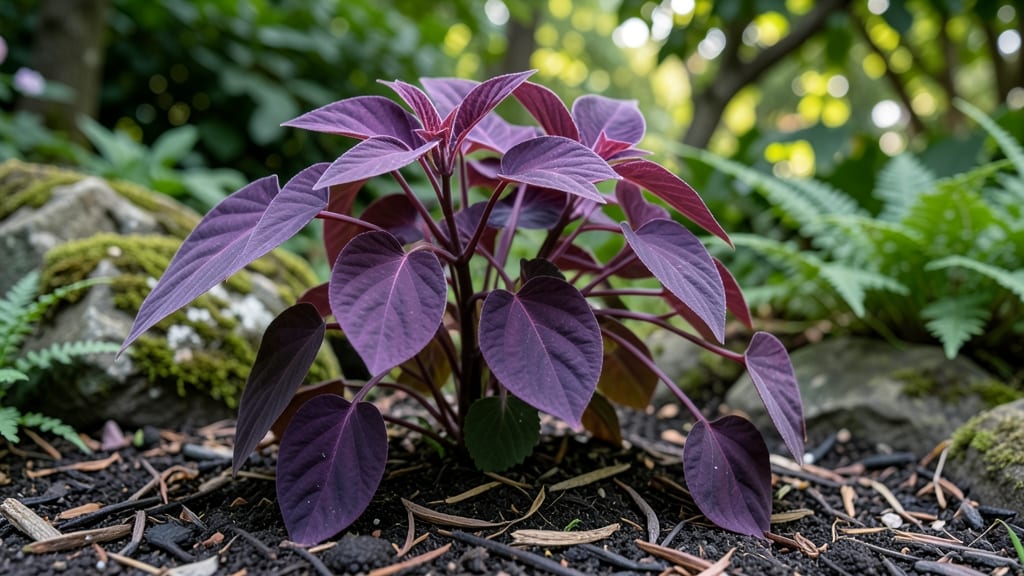
That heart-shaped purple leaf tree you love for its velvety foliage? ✨ Pruning it right keeps it lush all year—no more leggy, sparse growth stealing its showstopping presence.
I’ve pruned mine for five seasons, and the difference between a thriving specimen and a sad, sprawling mess comes down to a few simple cuts made at the right time. The magic happens in late winter or early spring, when new growth is about to burst.
Snip just above a leaf node at a 45-degree angle, and you’ll encourage bushier, fuller branches. Avoid heavy pruning in summer—it stresses the plant and can lead to those unsightly gaps where the leaves should be.
What you end up with is a tree that stays compact, vibrant, and perfectly proportioned in your garden bed or container. Pair it with silver foliage plants like lamb’s ear or dusty miller to make the purple leaves pop even more—trust me, your neighbors will ask for your secret.
This works for Heartleaf Philodendron, Coleus, or Purple Heart Plant in containers or garden beds. The key is consistency—just a little trimming every few months keeps it looking intentional, not neglected.
📚 In This Guide
- What you need
- Instructions
- Tips and common mistakes
- Wrapping up and next steps
What you need
- ● Pruning shears: Sharp, bypass-style shears (4–6 inches) for clean cuts on small branches.
- ● Loppers: 8–12 inch bypass loppers for thicker branches (up to 2 inches in diameter).
- ● Pruning saw: A curved-tooth saw for branches thicker than 2 inches.
- ● Gloves: Heavy-duty gardening gloves (cut-resistant) to protect your hands.
- ● Disinfectant: 70% isopropyl alcohol or a gardening disinfectant spray to sterilize tools between cuts.
- ● Rubbing alcohol or hydrogen peroxide: For cleaning tools and minor cuts.
- ○ Pruning sealant (optional): Tree wound sealant (like Tanglefoot Tree Wound Pruning Seal) for large cuts.
- ● Weather check: Prune on a dry, cloudy day (avoid extreme heat or frost).
- ● Safety gear: Safety glasses and long sleeves/pants to protect from debris.
- ● Cleanup supplies: A bucket or bag for trimmings and a broom/dustpan for cleanup.
- ● Ladder or step stool: If your tree is taller than 6 feet, use a stable, non-slip ladder.
- ● 💡 Sharpen your tools: Dull blades tear bark—hone shears with a file before starting.
- ● 🌡️ Time it right: Late winter or early spring (just before new growth) is ideal for heart-shaped purple leaf trees.
- ● ✨ Sterilize often: Wipe tools with alcohol between every 3–5 cuts to prevent disease spread.
How to prune a heart-shaped purple leaf tree for lush, year-round color
Here's my go-to method for keeping those stunning purple leaves vibrant and your tree thriving through every season.
✂️ Step 1: Time Your Pruning for Maximum Impact
Prune your heart-shaped purple leaf tree—likely a Coleonema pulchrum or similar—late winter to early spring, just as new growth begins. This timing ensures you remove dead growth while encouraging fresh, colorful foliage for spring. Avoid pruning in fall or winter when the plant is dormant—you'll risk exposing tender new growth to cold snaps.
Watch for bud swell on the stems as your first clue. These plump, greenish bumps signal the tree's about to burst into growth. Prune 2-4 weeks before your last frost date, so the tree has time to recover before summer heat arrives. If you miss this window, you can do a light shaping prune in early summer, but avoid heavy cuts then—they stress the plant during peak growth.
🌿 Step 2: Remove Dead, Diseased, or Weak Growth First
Start by inspecting your tree for dead branches—they’ll be dry, brittle, and snap easily when bent. Use clean, sharp pruning shears to make a 45-degree cut just outside the branch collar (the swollen area where the branch meets the trunk). Never leave stubs, or they’ll invite disease.
Next, look for branches with yellowing or brown leaves or signs of disease like black spots or mold. Cut these back to healthy growth, sterilizing your shears with rubbing alcohol between cuts. I always prune from the bottom up—this prevents sap from dripping onto lower branches and keeps the workspace cleaner. If a branch is thicker than your wrist, use loppers instead of shears for cleaner cuts.
☀️ Step 3: Shape for Balance and Airflow
Step back and assess your tree’s overall shape. Heart-shaped trees like Coleonema thrive with an open, airy structure—this prevents fungal issues and lets sunlight reach all leaves. Start by thinning out crossing branches (where two branches rub against each other) or those growing inward. Cut these back to a lateral branch or bud, always making your cut at the branch collar.
For a more compact look, you can lightly trim the outer growth to encourage bushier foliage. Aim to reduce the tree’s height by no more than 25% in one pruning session—this prevents shock. If you’re unsure about a cut, hold your hand where you plan to trim: if it blocks more than one-third of the branch’s width, it’s too aggressive. The goal is to maintain that signature heart shape while keeping the tree’s energy flowing upward.
⏰ Step 4: Encourage New Growth with Strategic Cuts
To keep those vibrant purple leaves coming back year after year, focus on rejuvenation cuts. Select 3-4 of the oldest, largest stems at the base of the tree and cut them back by one-third. This stimulates new growth from the base, giving your tree a fresher, more youthful appearance. Avoid cutting into old wood—it won’t regrow, and you’ll lose that lush foliage.
After pruning, water deeply to help the tree recover. You’ll notice new buds forming within 4-6 weeks, and these will develop into fresh, colorful leaves. If your tree looks leggy afterward, it’s a sign you pruned too late in the season—next time, aim to finish by early April in most climates. A light application of balanced fertilizer after pruning gives the tree a boost for the growing season ahead.
🌱 Step 5: Maintain Year-Round with Light Touch-Ups
Throughout the year, keep an eye out for overly long or straggly branches that disrupt the heart shape. Use your fingers to gently pinch back new growth when it’s still tender—this encourages bushier growth without heavy pruning. In late summer, you can do a light shaping trim to remove any spent flowers or leggy stems, but avoid heavy cuts this time of year.
Here’s the thing—heart-shaped trees respond best to patience. If you prune too aggressively, you’ll end up with a tree full of water sprouts (those long, weak stems) instead of dense, colorful foliage. Instead, think of pruning as a conversation with your tree: listen to how it grows, and adjust your cuts accordingly. With time, you’ll develop a rhythm that keeps your tree looking its best with minimal effort.
Tips & tricks for perfect heart-shaped purple leaf tree pruning
Here's what nobody tells you about keeping your purple leaf tree thriving—these little details make all the difference.
Timing is Everything: The 2-4 week window before your last frost date isn't just arbitrary—it's when your tree's natural growth hormones kick in. I check my local frost date calendar and mark my pruning day exactly 3 weeks before. This timing ensures your tree has plenty of warm weather ahead to recover and show off those vibrant purple leaves. If you're in a warmer climate where frost isn't a concern, aim for early to mid-March instead.
Tool Selection Matters: Using the right tool for each branch size makes all the difference in clean cuts that heal properly. I keep a pair of sharp bypass pruners for branches up to pencil thickness, loppers for branches thicker than my wrist, and a small handsaw for any stubbornly thick stems. Remember to sterilize your tools between cuts with rubbing alcohol—this prevents spreading any potential diseases between branches. The cleaner your cuts, the faster your tree will recover.
Visual Cues for Perfect Cuts: When making your cuts in Step 3, look for the branch collar—the swollen area where the branch meets the trunk. This is your target spot for cuts, as it contains healing tissues. If you're unsure about a cut's size, use the "one-third rule": hold your hand where you plan to trim. If it blocks more than one-third of the branch's width, it's too aggressive. Think of it as giving your tree a haircut—you want to shape it, not shave it.
Recovery Strategy: After your main pruning session, give your tree a good deep watering to help it recover. I like to add a slow-release balanced fertilizer at this time to give it a nutritional boost. Within 4-6 weeks, you'll start seeing those new buds forming—this is your reward for proper timing and technique. If your tree looks leggy after pruning, it's a sign you waited too long in the season. Next time, aim to finish by early April in most climates.
Pro Tips for Heart Shaped Purple Leaf Tree
- Here's what nobody tells you about keeping your purple leaf tree thriving—these little details make all the difference.
- Timing is Everything: The 2-4 week window before your last frost date isn't just arbitrary—it's when your tree's natural growth hormones kick in.
- Tool Selection Matters: Using the right tool for each branch size makes all the difference in clean cuts that heal properly.
Frequently asked questions
Got questions about keeping your heart-shaped purple leaf tree (Coleus scutellarioides) thriving?
Here are some of the most common ones—plus quick answers to keep those stunning purple leaves vibrant all year!
When is the best time to prune my heart-shaped purple leaf tree?
Prune your Coleus in early spring (just as new growth starts) or late summer to encourage bushier, fuller foliage. Avoid heavy pruning in fall or winter, as the plant may struggle to recover. Light trimming to remove dead leaves can happen year-round!
How do I prune without killing my tree?
Use clean, sharp scissors and cut just above a leaf node (the bump where leaves grow) at a 45-degree angle. Never prune more than 1/3 of the plant at once, and avoid cutting into woody stems—this can stress the plant. Pro tip: Snip leggy stems to encourage compact growth!
Why are my purple leaves turning green?
Green leaves often mean too much sunlight or overwatering. Move your tree to bright, indirect light (e.g., near a window with sheer curtains) and let the top 1-2 inches of soil dry out between waterings. Purple hues return when conditions are ideal!
Can I propagate my heart-shaped purple leaf tree from cuttings?
Take 4-6 inch cuttings from healthy stems, remove lower leaves, and dip in rooting hormone (optional). Place in water or moist potting mix, keeping it warm and humid. Roots should form in 2-4 weeks—perfect for sharing or expanding your collection!
How do I care for my tree in winter?
Heart-shaped purple leaf trees are tender perennials, so bring them indoors if temps drop below 50°F (10°C). Reduce watering and place near bright light (a south-facing window works great). Avoid drafts, and prune lightly to shape—your tree will bounce back in spring!
Wrapping up and next steps
Your heart-shaped purple leaf tree is a stunning addition to any garden, and with the right pruning techniques, it can thrive year-round! 🌿 Remember, the key lies in timing, technique, and consistency—whether you’re shaping it for aesthetics, promoting growth, or maintaining health.
Now that you’re armed with the secrets, there’s no better time to roll up your sleeves and give your tree the care it deserves.
Ready to take the next step? Grab your tools, schedule a pruning session, and watch your tree flourish! 🌟 For extra inspiration, consider sketching a rough design or taking before-and-after photos to track its progress. Happy pruning!