
Leaf Blower
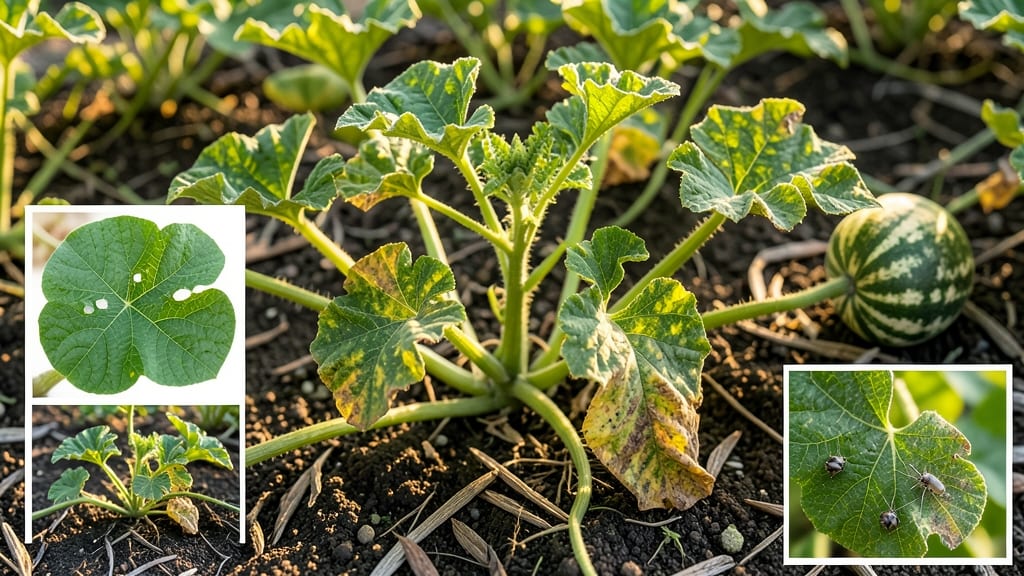
Your watermelon plants' curled leaves aren't just a cosmetic issue—they're a clear sign watermelon leaf curl virus is spreading, and without action, you could lose your entire crop. 🌱 I've seen this virus turn lush vines into stunted, yellowing messes in just a few weeks, but these three steps will help you diagnose it early and stop it before it takes hold.
The virus itself doesn't jump from plant to plant—it hitches rides on aphids, which is why you'll often see sticky honeydew on leaves first. Resistant watermelon varieties like 'Sugar Baby' or 'Crimson Sweet' can help, but even they need aphid control to stay healthy.
The key is catching it early when you spot those first curled leaves and stunted growth.
Once you confirm the virus, remove infected plants immediately (don't compost them) and clean your tools with rubbing alcohol to prevent spread. For prevention, focus on keeping aphids off your plants with neem oil sprays or reflective mulch—this stops the virus from getting a foothold in the first place.
This approach works even for beginners because it's all about early detection and simple prevention. With these steps, you'll protect your watermelon patch and keep your plants thriving all season long—no fancy equipment needed.
Root Causes Of Crop Decline
The watermelon leaf curl virus (WLCV) doesn’t just appear out of nowhere—it thrives due to a mix of biological, environmental, and agricultural factors. Understanding these triggers is the first step to preventing outbreaks and protecting your crops.
Below, we break down the key reasons this stubborn pathogen spreads like wildfire in watermelon fields.
The primary culprit behind WLCV transmission is the Bemisia tabaci whitefly. These tiny, sap-sucking insects don’t just weaken plants—they spread the virus while feeding. Here’s how it works:
- Viral Acquisition: Whiteflies pick up WLCV from infected plants during feeding. The virus replicates in their gut before being transmitted to healthy plants.
- Non-Persistent Transmission: Unlike some viruses, WLCV is spread immediately (within minutes) as the whitefly probes new leaves. This means even a brief stop on an infected plant can infect another.
- Population Explosions: Warm weather (75–95°F) and dry conditions trigger whitefly outbreaks. A single female can lay hundreds of eggs in her lifetime, creating a breeding ground for virus spread.
Actionable Tip: 🌡️ Monitor whitefly populations with yellow sticky traps placed at plant height. If you see 10+ adults per trap per day, act fast with neem oil sprays or biological controls like Encarsia formosa (a parasitic wasp).
Healthy watermelon plants have a better chance of resisting WLCV, but stress from poor growing conditions makes them sitting ducks. Here’s what compromises their defenses:
- Nutrient Deficiencies: Low potassium (K) or phosphorus (P) weakens cell walls, making it easier for whiteflies to inject the virus. Yellowing leaves or stunted growth? That’s your first warning.
- Overcrowding: Plants competing for sunlight and water become physically stressed, reducing their ability to fend off pests and pathogens.
- Improper Watering: Overwatering leads to root rot, while underwatering causes wilting—both stress signals that attract whiteflies.
- Poor Soil Health: Compacted or waterlogged soil restricts root growth, leaving plants vulnerable. Aim for well-draining, slightly acidic soil (pH 6.0–6.8).
Pro Tip: ✨ Boost plant resilience with compost tea or mycorrhizal fungi to enhance root health. Prune lower leaves to improve airflow and reduce humidity (whiteflies love damp conditions).
WLCV doesn’t spread equally year-round—it’s a temperature-sensitive pathogen. These conditions create the perfect storm:
| Factor | Why It Matters | Risk Window |
|---|---|---|
| 🔥 High Heat (80–95°F) | Speeds up whitefly reproduction and virus transmission. Plants also transpire faster, making them more attractive to pests. | Late spring to early fall (peak in summer months) |
| ☀️ Low Humidity | Dry air weakens plants and encourages whiteflies to seek out moisture-rich leaves, increasing feeding and virus spread. | Drought-prone regions or afternoon hours |
| 🌧️ Sudden Rainfall | Washes away natural predators (like ladybugs) and spreads whitefly nymphs across fields via water droplets. | After heavy storms or monsoon seasons |
Smart Strategy: 🎯 Use shade cloth (30–50%) in greenhouses or high-risk fields to reduce heat stress. Drip irrigation (instead of overhead) keeps foliage dry and deters whiteflies.
Even the most vigilant grower can accidentally introduce WLCV through poor hygiene practices. Here’s how:
- Infected Pruners or Hands: Sap from infected plants can cling to tools or fingers, transferring the virus to healthy plants during grafting or harvesting.
- Shared Equipment: Tractors, irrigation systems, or even worker boots can carry whitefly eggs or viral particles between fields.
- Seed and Seedling Sources: Some WLCV strains are seed-borne or transmitted via infected seedlings. Always source from certified disease-free suppliers.
Quick Fix: 🔪 Disinfect tools with 70% rubbing alcohol or a 10% bleach solution between uses. Wash hands with soap before handling healthy plants. For large operations, designate “clean” and “dirty” zones in the field.
By tackling these root causes—whitefly control, plant health, climate management, and hygiene—you’ll slash the chances of WLCV turning your watermelon patch into a viral hotspot. Stay proactive, and your crops will stay strong! 🚜💪
Stopping the Spread Now
Watermelon leaf curl virus (WLCV) can devastate your crops, but acting fast and strategically can minimize damage and prevent further outbreaks. Below are practical, actionable solutions tailored to the root causes—from infected plants to vector control and cultural practices.
If you’ve spotted curled leaves, stunted growth, or yellowing veins, don’t wait. WLCV spreads rapidly, and infected plants become a reservoir for the virus.
How to do it:
- 🔥 Pull and destroy infected plants completely—roots and all. Burn or bury them (not compost) to prevent reinfection.
- 👨🍳 Use gloves and tools to avoid spreading sap to healthy plants. Disinfect pruners with 70% rubbing alcohol or a 10% bleach solution between cuts.
- 🚫 Avoid composting infected plant material—WLCV can survive in organic matter.
💡 Pro Tip: Check neighboring plants daily for new symptoms. Early removal is your best defense!
Whiteflies are the primary carriers of WLCV. Without them, the virus can’t jump from plant to plant.
How to reduce whitefly populations:
- 🌡️ Use sticky traps (yellow or blue) near crops to monitor and trap adult whiteflies.
- 🎯 Apply insecticidal soap or neem oil (early morning/evening to avoid harming bees). Spray under leaves where whiteflies hide.
- ✨ Introduce natural predators like Encarsia formosa (a parasitic wasp) or ladybugs to keep populations in check.
- 🔪 For severe infestations, use pyrethrin-based sprays (follow label instructions carefully).
💡 Pro Tip: Reflective mulch (aluminum foil or silver plastic) confuses whiteflies and reduces egg-laying. Try it in high-risk areas!
WLCV can persist in soil and on tools, so break the cycle with smart garden hygiene.
How to prevent reinfection:
- 🔄 Practice crop rotation—avoid planting cucurbits (watermelons, cucumbers, squash) in the same spot for at least 3 years.
- 🧼 Sterilize tools and containers with bleach (1 part bleach to 9 parts water) or quaternary ammonium compounds.
- 🚫 Clean boots and clothing after working in infected areas to avoid tracking virus particles.
💡 Pro Tip: Solarize soil in late summer by covering it with clear plastic for 4–6 weeks to kill virus particles and weeds.
While no cure exists for WLCV, healthy plants fight off stress better and may show milder symptoms.
How to boost plant resilience:
- 💪 Use disease-resistant varieties like ‘Charleston Gray’ or ‘Sugar Baby’ watermelons (check seed packets for WLCV resistance).
- 🥗 Provide balanced fertilization—avoid excessive nitrogen (which attracts pests) and ensure potassium and phosphorus for root strength.
- 🌧️ Water at the base (not overhead) to reduce whitefly attraction and fungal secondary infections.
💡 Pro Tip: Silica-rich sprays (like potassium silicate) can help strengthen plant cell walls, making them less susceptible to virus damage.
Once you’ve contained the outbreak, stay vigilant to prevent future flare-ups.
| Action | How to Implement | Frequency |
|---|---|---|
| Scout regularly | Check plants weekly for whiteflies/symptoms | Every 5–7 days |
| Maintain clean garden | Remove weeds and debris | Biweekly |
| Monitor traps | Replace sticky traps every 2–3 weeks | Monthly |
| Rotate crops | Avoid cucurbit family in the same bed | Every 3 years |
If your garden is heavily infected (50%+ of plants showing symptoms) or whiteflies are out of control, consider:
- 🔬 Consulting a local agricultural extension office for tailored advice.
- 💉 Using systemic insecticides (like dinotefuran or imidacloprid) as a last resort—follow safety guidelines strictly.
Final Reminder: WLCV is manageable with quick action and smart prevention. Act now—your next harvest depends on it! 🌱💪
Frequently asked questions
What are the first signs of watermelon leaf curl virus in my plants?
Look for cupped or curled leaves (especially younger ones) and yellowing veins that contrast with green leaf tissue. You may also notice stunted growth and thickened, brittle stems—these are classic early symptoms. Check the undersides of leaves for tiny whiteflies, which spread the virus.
Can watermelon leaf curl virus spread to other vegetables in my garden?
Yes, this virus primarily affects cucurbits (watermelons, cucumbers, squash, pumpkins), but it can also infect tomatoes, peppers, and beans in severe cases. The same whitefly vectors that spread it to watermelons will carry it to other plants. Isolate infected plants immediately to prevent cross-contamination.
How long does it take for watermelon leaf curl virus to show symptoms?
Symptoms typically appear 2-4 weeks after infection, though some resistant varieties may show delayed signs. The virus spreads rapidly during warm weather (75-95°F), so symptoms can appear even faster in hot conditions. Early detection is critical—remove suspicious plants before symptoms fully develop.
Will my watermelons still be edible if infected with leaf curl virus?
While the fruit may still grow, infected plants often produce smaller, misshapen melons with reduced sweetness and quality. The virus doesn't make the fruit toxic, but the overall yield and taste suffer. For best results, remove infected plants early to maximize harvest from healthy vines.
Can I save my watermelon plants if they already have leaf curl virus?
Unfortunately, there's no cure for WLCV once symptoms appear. Your best option is to remove infected plants completely (roots and all) and focus on protecting nearby healthy plants. Use neem oil or reflective mulch to deter whiteflies, and consider replanting resistant varieties in clean soil.