
Leaf Blower
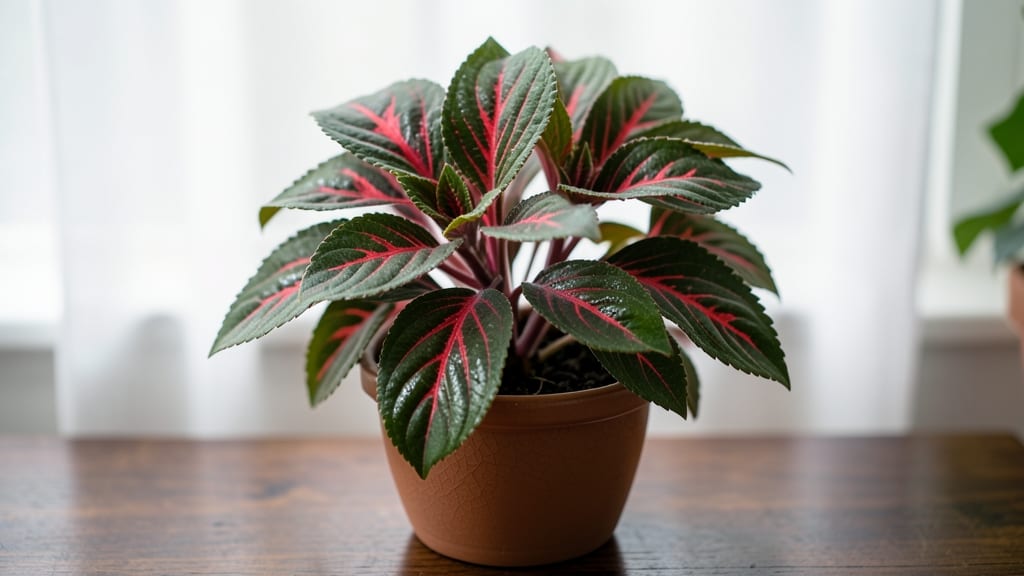
That shocking red-veined green leaf isn't just a cosmetic issue—it's your plant's SOS signal. 🌿 Copper spray can be the game-changer when fungal spots or nutrient deficiencies turn leaves into striped warning flags, but first you need to know what's really causing the problem.
Red veins often start with magnesium deficiency (the classic "interveinal chlorosis"), but fungal infections like anthracnose or bacterial leaf spot can create similar patterns. The key difference?
Fungal spots spread like watercolor bleeds, while nutrient issues stay neatly between veins. I've seen both ruin plants in my own garden—until I learned the telltale signs.
Once you identify the root cause, copper spray becomes your secret weapon. For fungal spots, it's a preventive shield that stops the spread in its tracks. For nutrient issues, it won't replace soil amendments, but it buys time while you fix the real problem.
Think of it as plant ER care while you address the underlying condition.
Here's the thing—most gardeners reach for fungicides too late. The 3-day rule applies: if you spot red veins within 3 days of rain, fungal infection is likely.
If it's been dry for weeks, check your soil's magnesium levels first. Either way, you'll have your plant back to healthy green in no time.
Root Causes Of Leaf Discoloration
When your plants sport green leaves with red veins, it’s often a visual SOS from your foliage. While it might look like a cosmetic issue, these color shifts usually stem from deeper plant health struggles.
Let’s break down the most common culprits—each with a distinct trigger—and what your plants are really trying to tell you.
Plants produce anthocyanins (the pigments behind red/purple hues) as a natural stress response. When leaves turn a vibrant green with red veins, it’s often a sign of:
- Temperature extremes: Too much heat or cold can shock plants, prompting anthocyanin production to protect cell structures. Example: A sudden late-spring frost or scorching afternoon sun.
- Light fluctuations: Inconsistent light exposure (e.g., moving plants between shade and full sun) confuses their photosynthesis processes, leading to pigment shifts.
- Water stress: Overwatering or drought forces plants to reroute energy toward survival, triggering red vein formation as a byproduct.
Actionable fix: Monitor your plant’s environment. Use shade cloth for afternoon sun, mulch to regulate soil temp, and water deeply but infrequently to avoid stress cycles.
While copper spray targets fungal spots, some pathogens can cause red vein discoloration as a secondary symptom. Look for these red flags:
- Early signs of leaf spot: Tiny red or brown speckles on veins (often confused with environmental stress) may indicate Alternaria or Septoria fungi.
- Bacterial leaf scorch: Reddish veins paired with crispy leaf edges suggest Xanthomonas bacteria, which clogs water transport systems.
- Powdery mildew: White fungal growth on leaves with red veins underneath is a classic combo.
Actionable fix: If you suspect infection, isolate the plant and apply a copper fungicide (like copper sulfate or oxychloride) every 7–10 days. For bacteria, use a copper-based bactericide or neem oil.
Leaves crave balance—too much or too little of key nutrients can throw off chlorophyll production, leading to red veins. Common offenders:
| Nutrient Issue | Symptoms | Fix |
|---|---|---|
| ↓ Nitrogen | Pale green leaves with bright red veins; stunted growth. | Apply a balanced fertilizer (10-10-10) or compost. |
| ↑ Phosphorus | Dark green leaves with deep red/purple veins; early flowering. | Flush soil with water to leach excess P; use a low-P fertilizer. |
| ↓ Magnesium | Yellowing between veins (chlorosis) with red veins in severe cases. | Add Epsom salt (1 tbsp/gallon water) every 4 weeks. |
Actionable fix: Test your soil’s pH (ideal: 6.0–7.0 for most plants). Acidic soil (<5.5) locks out nutrients like iron and magnesium, worsening discoloration.
Pests like spider mites, aphids, or scale insects feed on plant sap, disrupting nutrient flow and triggering red veins. Watch for:
- Sticky residue: Honeydew (a sugary byproduct) on leaves.
- Visible pests: Tiny webs, black spots (frass), or white fluffy clusters.
- Curled leaves: A classic sign of mite or aphid infestation.
Actionable fix: Blast pests off with water, then apply neem oil or insecticidal soap. For severe cases, use a systemic insecticide like imidacloprid.
Pro Tip: 💡 Before treating, snap a photo of the underside of the leaf and compare it to online databases (like Diagnose-Ti Pathogens) to narrow down the cause.
Fixing Red-Veined Leaf Issues Fast
Now that you know the causes behind those unsightly green leaves with red veins—whether it’s fungal infections, nutrient imbalances, or environmental stress—it’s time to take action! Here’s a step-by-step guide to diagnosing and treating the problem, plus prevention tips to keep your plants thriving.
Before diving into treatments, confirm what’s affecting your plant. Check for:
- Fungal spots (dark patches, powdery mildew, or rust-like lesions)
- Waterlogged soil (yellowing leaves, mushy stems)
- Nutrient deficiencies (pale or discolored veins, stunted growth)
- Over-fertilization (burnt edges, crispy leaf tips)
Pro Tip: 💡 Snap a photo and compare it to online plant disease databases (like the [University of Minnesota’s Extension](https://extension.umn.edu/)) for a quick ID.
If fungi are the culprit, copper-based fungicides are your best defense. Here’s how to apply them effectively:
👨🍳 Mix the Solution
- Use copper sulfate pentahydrate (1 tsp per gallon of water) or a pre-mixed copper fungicide (follow label instructions).
- Add a dish soap drop (1 tsp) to help the spray stick to leaves.
🥘 Apply Correctly
- Spray thoroughly on both sides of leaves, stems, and soil surface (fungi hide in soil!).
- Reapply every 7–14 days or after heavy rain (copper washes off).
- Avoid spraying in direct sunlight (can burn leaves).
⏰ Prevention Tips
- Space plants for better airflow (fungi thrive in humidity).
- Water at the base (not overhead) to keep leaves dry.
- Remove infected leaves immediately to stop spread.
If overwatering or poor drainage is the issue:
💧 Fix Watering Habits
- Let soil dry between waterings—stick your finger 1 inch deep; if damp, wait.
- Use pots with drainage holes (no exceptions!).
- Mulch around plants to retain moisture without soggy roots.
🌡️ Improve Soil Conditions
- Amend heavy clay soil with perlite or compost for better drainage.
- Test soil pH (fungi love acidic soils; aim for 6.0–7.0 for most plants).
- Avoid compacted soil—loosen it gently with a fork if needed.
Red veins can signal iron, manganese, or magnesium deficiencies (or too much salt from fertilizers).
📊 Quick Fixes
| Deficiency | Symptoms | Solution |
|---|---|---|
| Iron (Chlorosis) | Yellow veins, green edges | Apply chelated iron or use Epsom salt (1 tbsp/gallon). |
| Magnesium | Red/purple veins, weak growth | Epsom salt soak (1 tbsp/gallon, monthly). |
| Over-fertilized | Crispy edges, stunted growth | Flush soil with water to remove excess salts. |
Pro Tip: 🌱 Prevent deficiencies by using slow-release fertilizers and compost for steady nutrients.
Sometimes, environmental stress (heat, cold, or poor light) triggers red veins.
🎯 Adjust Light & Temperature
- Move plants to bright, indirect light (direct sun can scorch).
- Avoid drafts (AC vents, cold windowsills).
- Use grow lights if natural light is weak (12–16 hours/day).
🌿 Humidity Control
- Mist leaves (for tropical plants) or use a pebble tray with water.
- Group plants together to create a microclimate.
If your plant won’t improve after 2–3 weeks of treatment, it may be:
- Permanently damaged (prune dead growth).
- Infested with pests (check for mites or aphids).
- Beyond saving (start fresh with a new plant).
Remember: 🌱 Prevention is easier than cure! Regularly inspect leaves, maintain balanced care, and act fast at the first sign of stress. Your plants will thank you with vibrant, healthy green—no red veins in sight!
Frequently asked questions
Why do my plant's leaves suddenly have red veins when everything else looks fine?
Red veins often signal stress from environmental factors like temperature swings or inconsistent light. Plants produce anthocyanins (red pigments) as a protective response to heat stress, cold shocks, or sudden light changes. Check if your plant has moved recently or experienced extreme weather—this is the most common non-disease cause.
Can copper spray help if the red veins are from nutrient deficiencies rather than fungi?
Copper spray won't fix nutrient issues—it's specifically for fungal/bacterial infections. For red veins caused by magnesium deficiency (common with yellowing between veins), use Epsom salt (1 tbsp/gallon water) instead. Copper can actually worsen nutrient deficiencies by altering soil chemistry if overused.
How can I tell if my plant's red veins are from pests versus disease?
Check the leaf undersides for pests like spider mites (tiny webs) or aphids (sticky residue). Disease-caused red veins usually appear with other symptoms: fungal spots (dark patches), powdery mildew (white coating), or bacterial ooze. Pests often cause curled leaves and sticky honeydew, while diseases spread more uniformly.
Will pruning leaves with red veins help my plant recover faster?
Yes, but only if the red veins are from disease or severe pest damage. Remove affected leaves immediately to prevent spread. For nutrient-related red veins, pruning helps redirect energy to healthy growth. Always sterilize pruners with rubbing alcohol between cuts to avoid cross-contamination.
How often should I apply copper spray if I'm treating fungal leaf spots?
Apply every 7-10 days until new growth appears healthy, then switch to monthly prevention. Remember: Copper washes off with rain, so reapply after heavy rainfall. Never exceed label rates—overuse can damage plants and harm beneficial soil microbes.