
Pests and Diseases
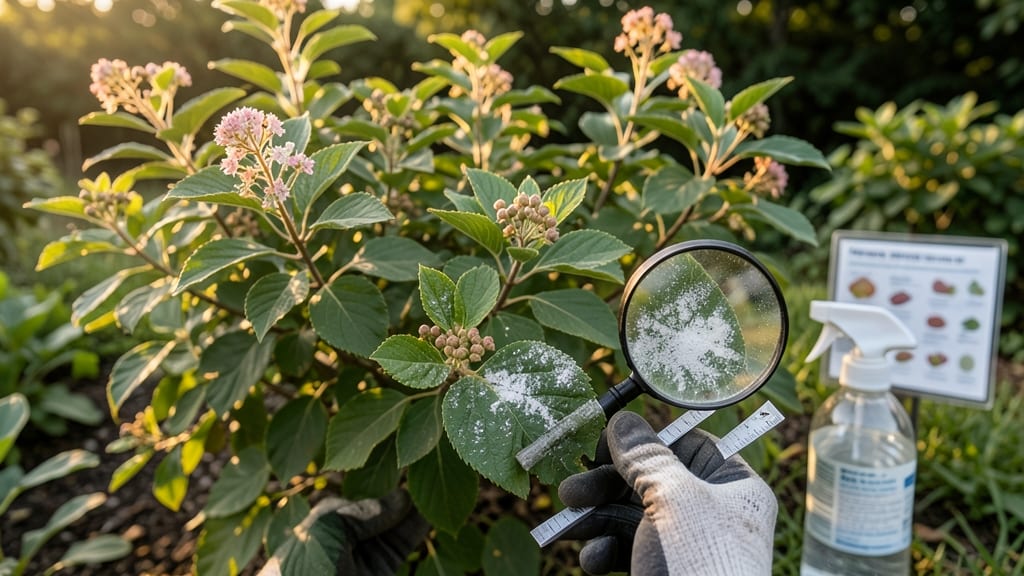
Your viburnum is showing the clear signs of viburnum leaf problems—those slow-spreading brown patches that turn what should be lush foliage into a slow-motion disaster. 🌿 I've seen this exact pattern after years of battling fungal leaf spots on my own shrubs—those ugly black or brown patches that spread like a bad rumor through the foliage.
The good news? Copper fungicide isn't just a last resort; it's the secret weapon that stops the spread and helps leaves recover faster than you'd expect.
Most of the time, this isn't about overwatering or poor soil—it's about fungal infections like anthracnose or leaf spot diseases that thrive in damp conditions. I've learned the hard way that waiting too long means more pruning and more damage.
The key is acting when you see just a few spots, not when half the bush looks like it's been through a war.
Within 2-3 weeks of treatment, you'll notice new growth emerging with clean, vibrant leaves. The copper fungicide works by disrupting the fungus's cell walls, and when you combine it with proper spacing for airflow, your viburnum can bounce back surprisingly fast.
I've revived bushes that looked hopeless with this exact approach.
The best part? This method works for all viburnum varieties—from the fragrant Viburnum carlesii to the showy Viburnum plicatum. Just remember: prevention is easier than cleanup, so spray preventatively during rainy seasons. Let's get those leaves looking healthy again!
Root Causes Of Viburnum Leaf Issues
Understanding why your viburnum’s leaves develop unsightly spots, browning, or other distressing symptoms starts with identifying the primary triggers behind these problems. Viburnums are hardy shrubs, but they’re not immune to environmental stressors, pathogens, or pest-related damage.
Below, we break down the key culprits—and the science behind them—to help you diagnose and address the issue effectively.
Fungal pathogens are among the most common causes of leaf discoloration, spotting, or premature browning in viburnums. These microscopic invaders thrive in humid, moist conditions and exploit weak spots in the plant’s defenses.
How Fungi Attack Viburnum Leaves
Fungi like Anthracnose (Gloeosporium spp.), Septoria leaf spot, or Powdery Mildew (Erysiphe spp.) enter through:
- Stomata (tiny pores on leaf surfaces) when humidity is high.
- Wounds (e.g., from pruning, hail, or insect bites).
- Old or damaged leaves, which harbor overwintering spores.
Key Signs to Watch For:
- Brown or black spots with yellow halos (Anthracnose).
- White, powdery patches (Powdery Mildew).
- Irregular, tan spots with dark edges (Septoria).
Why It Happens: Fungi spread via wind, water splashes, or contaminated tools. Warm, wet springs (ideal for spore germination) or dense foliage (trapping moisture) create perfect breeding grounds. Copper fungicides disrupt fungal spore germination and cell membrane integrity, but prevention—like proper spacing and air circulation—is equally critical.
While less common than fungi, bacterial infections (e.g., Pseudomonas syringae or Xanthomonas spp.) can cause water-soaked spots, oozing lesions, or wilting. Bacteria hitchhike on rain, tools, or insects, then multiply in warm, wet conditions.
How Bacteria Damage Viburnum Leaves
Bacteria enter through:
- Leaf wounds (e.g., from hail, thorns, or pruning cuts).
- Natural openings (hydathodes or stomata) when humidity exceeds 75% for prolonged periods.
Key Signs to Watch For:
- Dark, greasy spots that may ooze yellow bacterial fluid.
- Leaf scorch (browning edges) or premature leaf drop.
- Systemic wilting if the bacteria infect vascular tissues.
Why It Happens: Bacteria thrive in overhead irrigation (which splashes them onto leaves) or poor drainage (keeping foliage damp). Unlike fungi, bacteria aren’t easily controlled by fungicides—but copper-based bactericides (like copper hydroxide) can inhibit their spread by disrupting cell wall synthesis.
Not all leaf problems stem from pathogens. Environmental factors—like temperature extremes, drought, or poor soil health—can weaken viburnums, making them susceptible to secondary infections.
Common Environmental Triggers
| Stressor | Effect on Leaves | Why It Happens |
|---|---|---|
| Drought Stress | Brown, crispy edges or premature drop | Roots struggle to supply water, causing oxidative damage to leaf cells. |
| Frost or Cold Shock | Blackened or wilted leaves | Ice crystals rupture cell membranes (plasmolysis). |
| Overwatering | Yellowing (chlorosis) or fungal spots | Anaerobic soil roots, leading to nutrient deficiencies or fungal growth. |
| Poor Drainage | Stunted growth, leaf scorch | Root rot (from Phytophthora) blocks water/nutrient uptake. |
| High pH (Alkaline Soil) | Yellowing between veins (iron deficiency) | Iron chlorosis occurs when alkaline soil locks out micronutrients. |
Why It Happens: Viburnums prefer well-draining, slightly acidic soil (pH 5.0–6.5). Stressors like compacted soil, salinity, or nutrient imbalances (e.g., too much nitrogen) weaken the plant’s cuticle and cellular defenses, making it easier for pests or diseases to take hold.
While not always obvious, insects and mites can skeletonize leaves, inject toxins, or spread diseases, leading to browning or deformities.
Top Viburnum Leaf Pests & Their Impact
- Spider Mites 🕷️:
- Symptoms: Stippling (tiny white dots), webbing on undersides.
- Why? They pierce cells to feed on sap, causing chlorophyll loss (browning).
- Scale Insects 🐛:
- Symptoms: Sticky honeydew, black sooty mold (a fungal hitchhiker).
- Why? Their toxic saliva weakens leaves, and honeydew fosters fungal growth.
- Japanese Beetles 🐞:
- Symptoms: Large, irregular holes in leaves.
- Why? Adults chew leaf tissue, reducing photosynthesis.
Why It Happens: Pests thrive in dry, hot conditions (mites) or stressed plants (scale). Their saliva or frass (waste) can clog stomata, trapping moisture and inviting fungal infections.
Overuse of herbicides, fungicides, or even well-meaning fertilizers can burn viburnum leaves, causing browning, necrosis, or curling.
Common Culprits
- Salt Burn (from ice melt or over-fertilizing):
- Symptoms: Crispy, brown leaf edges.
- Why? Excess salts disrupt osmosis, dehydrating cells.
- Fungicide/Herbicide Drift:
- Symptoms: Bleached or scorched patches.
- Why? Active ingredients like glyphosate or copper sulfate (at high doses) denature proteins in leaf cells.
- Acid Rain or Pollution:
- Symptoms: Yellowing, weak growth.
- Why? Sulfur dioxide or nitrogen oxides alter leaf pH, blocking nutrient uptake.
Why It Happens: Viburnums are sensitive to soil and foliar chemistry. Always follow label rates and water in fertilizers to avoid buildup. Organic mulch can buffer soil pH and reduce salt injury.
Even the hardiest viburnums suffer when macronutrients or micronutrients are lacking. Leaf discoloration often signals a specific deficiency:
| Deficiency | Leaf Symptoms | Why It Happens |
|---|---|---|
| Nitrogen (N) | Pale green or yellow leaves (older first) | N is crucial for chlorophyll production; deficiency stalls growth. |
| Iron (Fe) | Yellowing between veins (chlorosis) | Alkaline soil locks out Fe, even if present. |
| Magnesium (Mg) | Interveinal yellowing (starts at leaf edges) | Mg is central to chlorophyll molecules; deficiency causes necrosis. |
| Potassium (K) | Brown, dead leaf tips or weak stems | K regulates water balance and disease resistance. |
Why It Happens:
- Over-liming (raising pH) precipitates micronutrients (like Fe and Mn) into unusable forms.
- Competition from weeds or poor root zones (e.g., clay soil) limits uptake.
- Overwatering leaches nutrients from the root zone.
Most viburnum leaf problems begin with a trigger—whether it’s a fungus, pest, environmental stress, or nutrient gap. The good news? Copper fungicides (like copper hydroxide or oxychloride
Fixing Viburnum Leaf Issues
Viburnum leaf problems—whether from fungal infections, pests, or environmental stress—can be frustrating, but most issues have practical solutions. Below, we’ll map common causes to step-by-step fixes, including prevention tips to keep your shrubs thriving. 🌿🔧
Fungal infections like anthracnose or leaf spot cause brown or black spots, often with yellow halos. Copper fungicide is your best defense, but timing and hygiene matter too.
Step-by-Step Treatment
🔥 Apply Copper Fungicide Early
- Use a copper-based fungicide (like copper sulfate or copper hydroxide) at the first sign of spots.
- Follow label instructions for concentration—typically 1–2 tbsp per gallon of water.
- Spray thoroughly, covering both upper and lower leaf surfaces, stems, and buds.
🍳 Prune and Clean Infected Foliage
- Remove all infected leaves and dispose of them in the trash (not compost).
- Sterilize pruners with rubbing alcohol between cuts to prevent spread.
👨🍳 Improve Air Circulation
- Thin out dense foliage to reduce humidity around leaves.
- Space plants 3–5 feet apart to allow airflow.
🥘 Adjust Watering Practices
- Water early in the day (before 10 AM) to let leaves dry quickly.
- Avoid overhead irrigation; use drip systems or soaker hoses instead.
⏰ Prevent Recurrence with Regular Care
- Apply a second fungicide treatment 7–10 days after the first for stubborn infections.
- In fall, rake up and discard fallen leaves to remove overwintering spores.
Tiny pests like spider mites or aphids suck sap, causing yellowing, stippling, or webbing. Act fast before they spread.
Step-by-Step Treatment
🔥 Blast Off Pests with Water
- Spray leaves forcefully with water (early morning) to dislodge mites and aphids.
🍳 Use Insecticidal Soap or Neem Oil
- Mix 1–2 tbsp insecticidal soap or neem oil per gallon of water.
- Spray directly on pests (focus on undersides of leaves).
- Reapply every 5–7 days until pests are gone.
👨🍳 Introduce Beneficial Insects
- Release ladybugs or lacewings (available at garden centers) to prey on aphids.
🥘 Remove Heavy Infestations
- For severe cases, use a pyrethrin-based insecticide (follow label carefully).
🎯 Prevent Future Outbreaks
- Mulch around plants to retain moisture and deter mites.
- Avoid over-fertilizing with nitrogen, which attracts soft-bodied pests.
Too much sun or heat stress can cause leaf edges to turn brown and crispy, especially in newly planted viburnums.
Step-by-Step Treatment
🌡️ Provide Afternoon Shade
- Install shade cloth (30–50%) or plant near taller shrubs for afternoon relief.
- Avoid full-sun locations for heat-sensitive varieties like Viburnum dentatum.
💡 Deep Watering in Heatwaves
- Water deeply 2–3 times per week (1–2 inches per week) rather than shallow daily watering.
- Use mulch (2–3 inches) to retain soil moisture.
✨ Gradual Acclimation for New Plants
- If transplanting, harden off viburnums by exposing them to sun gradually over 2 weeks.
📊 Choose the Right Variety
- Opt for heat-tolerant viburnums like Viburnum opulus (cranberry bush) if sunburn is recurrent.
Cold snaps or late frosts can damage viburnum leaves, leaving them brown and limp even after thawing.
Step-by-Step Treatment
🔥 Prune Damaged Branches
- Cut back dead or brown branches in early spring (before new growth starts).
- Sterilize pruners to prevent disease entry.
🍳 Protect Young Plants
- Wrap burlap or frost cloth around the base of young viburnums in late fall.
- Use mulch (4–6 inches) to insulate roots.
👨🍳 Avoid Late-Season Fertilizing
- Stop fertilizing 6–8 weeks before first frost to encourage hardiness.
🥘 Monitor for Secondary Issues
- Check for pests or fungal growth on damaged branches and treat as needed.
- Test your soil (pH 5.0–7.0 is ideal for most viburnums).
- Fertilize lightly in early spring with a balanced 10-10-10 formula.
- Rotate fungicides if problems persist to avoid resistance.
- Inspect leaves weekly during growing season for early signs of trouble.
With these targeted fixes, your viburnum should bounce back—and stay healthy for years to come! 🌱💚
Frequently asked questions about viburnum leaf problems
Why do my viburnum leaves develop brown spots even after treating with copper fungicide?
Brown spots may persist if the fungus has already spread to deeper plant tissues or if you missed infected areas during application. Always remove heavily damaged leaves and apply fungicide both above and below leaves. Also check for secondary bacterial infections—they can develop alongside fungal issues and require different treatments.
Can I use household vinegar as a viburnum leaf spot treatment?
No, vinegar is too harsh for viburnums and will burn the leaves. While it may kill some fungi, the acidity disrupts the plant's natural defenses. Stick to copper-based fungicides or neem oil (diluted properly) for safe treatment. For prevention, focus on improving airflow and avoiding overhead watering instead.
How do I tell if my viburnum's leaf problems are from pests or disease?
Look closely: Pest damage often shows as holes, stippling, or webbing (like spider mites), while diseases create spots with halos or powdery coatings. Check leaf undersides for tiny insects or eggs. Diseases typically appear first on older leaves, while pests attack new growth. If in doubt, collect a sample in a bag and take it to your local extension office for diagnosis.
Will pruning my viburnum help with leaf problems?
Yes, but do it correctly! Prune only infected branches in late winter or early spring to remove disease sources. Never prune during wet conditions as this spreads spores. For severe cases, you may need to remove up to 25% of the plant to improve airflow. Always sterilize your tools between cuts with rubbing alcohol to prevent cross-contamination.
How often should I apply copper fungicide to prevent leaf problems?
Apply copper fungicide preventatively every 2-3 weeks during the growing season (spring to early summer), especially in humid climates. For established problems, do initial treatment at first sign, then follow up in 7-10 days. Avoid overapplying—excess copper can build up in soil and harm beneficial microbes. Rotate with other fungicides if needed to prevent resistance.