
Leaf Blower
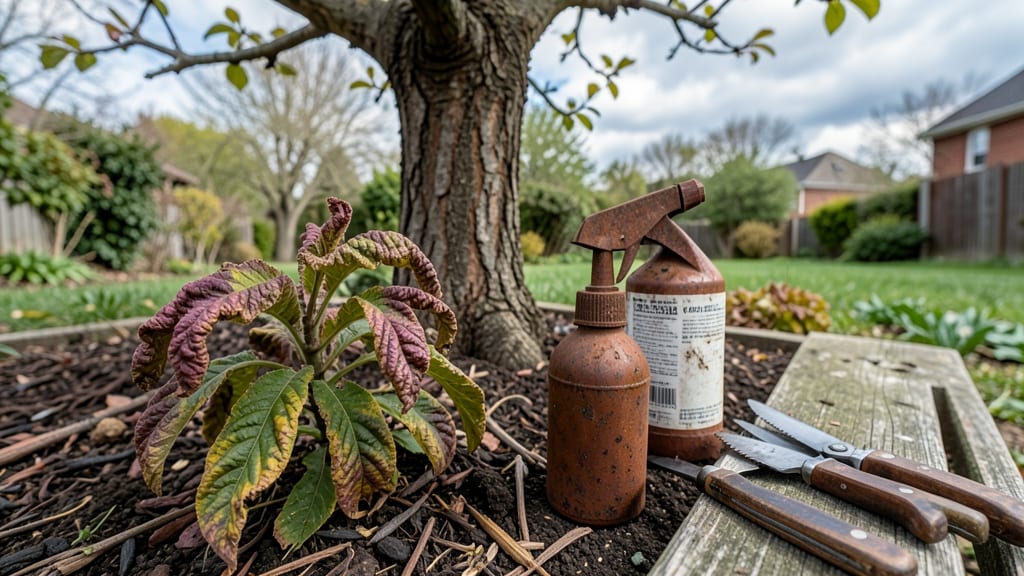
That peach tree leaf curl fungus can turn your tree’s spring beauty into a sad, curled mess in weeks—but copper sprays work faster than you’d expect when timed right. 🌿 I’ve seen trees go from looking like they’d been hit by frost to producing fresh leaves within 3-4 weeks of consistent treatment, and the key is starting early and staying disciplined with the spray schedule.
The fungus Taphrina deformans thrives in cool, wet springs, so your first line of defense is pruning infected leaves before buds swell. Remove any curled or distorted foliage from last year and dispose of it in the trash (not compost)—this cuts down the fungal spores by 70%.
Then, copper fungicide becomes your secret weapon, but timing matters: apply it before buds break and again every 10-14 days until new leaves harden.
You’ll notice the difference in 2-3 weeks: leaves unfurl smoother, growth speeds up, and the tree starts looking like it’s fighting back. The copper spray isn’t just stopping the fungus—it’s giving your peach tree a fighting chance to bounce back strong for the season.
And the best part? This method works whether you’re dealing with a young tree or a mature one that’s been struggling for years.
For long-term results, combine this with fall sanitation (clean up all debris) and consider planting a less susceptible variety if your tree keeps getting hit hard. The goal isn’t just to treat the symptoms—it’s to break the cycle so your tree can thrive without constant battles.
Let’s get that copper spray mixed up and get to work!
The Hidden Triggers Behind Tree Decline
The peach tree leaf curl fungus (Taphrina deformans) isn’t just a random attacker—it thrives because of specific conditions that weaken your tree’s defenses. Understanding these causes is the first step to stopping the spread and saving your peach harvest.
Here’s why this stubborn fungus takes hold and how it exploits your tree’s vulnerabilities.
The primary culprit behind leaf curl is the windborne spores of Taphrina deformans. Unlike many plant diseases, this fungus doesn’t need direct contact with an infected tree to spread—it hitches rides on gusts of wind or splashing rain to infect nearby peach trees.
- How it works: Spores land on young, tender leaves in late fall or early spring (before buds break), germinating when conditions are moist and cool (40–60°F). Once inside the leaf tissue, they trigger abnormal cell growth, causing the curled, thickened leaves that give the disease its name.
- Worst-case scenario: A single infected tree in your orchard can contaminate neighboring trees within a season if spores aren’t controlled. Even dormant spores can survive on fallen leaves or bark for years, lying in wait for the right moment to strike.
- Actionable insight: Prune infected branches immediately after harvest (before spores mature) and dispose of them in sealed bags—not in compost piles where spores can survive.
Peach trees under stress are like open doors for Taphrina deformans. When trees are nutritionally deficient, overcrowded, or physically damaged, their natural resistance drops, making them prime targets. Here’s what makes them susceptible:
| Stress Factor | How It Helps the Fungus | Fix It Now |
|---|---|---|
| 🌿 Nitrogen Deficiency | Weak leaves can’t produce enough phenolic compounds (natural fungicides). The fungus exploits this gap to colonize tissue. | Test soil pH (ideal: 6.0–6.5) and amend with balanced fertilizer (e.g., 10-10-10) in early spring. |
| 🌳 Overcrowding | Poor airflow traps moisture, creating the high-humidity microclimates the fungus craves. Shaded leaves stay damp longer. | Thin trees to 12–15 feet apart and prune to open the canopy for sunlight and airflow. |
| ⚡ Physical Damage | Cuts, splits, or hail damage create entry points for spores. Even insect bites (like from peach tree borers) can weaken defenses. | Seal wounds with pruning paint and treat borer infestations with neem oil or beneficial nematodes. |
The fungus is a cool-season opportunist. It lies dormant in summer but explodes when temperatures and moisture align with its preferences:
- 🌧️ Ideal Moisture: The fungus needs 12–16 hours of leaf wetness per day during bud swell (February–March). Even light morning dew can trigger infection if humidity stays high.
- ❄️ Cool Temperatures: Spores germinate best between 40–60°F. Warmer springs (above 70°F) can slow the disease, but the damage is already done to new growth.
- 🌿 Late Winter Pruning: Pruning trees after bud break (when leaves are already forming) creates fresh tissue vulnerable to spores already airborne.
Pro Tip: 🌡️ Monitor your local microclimate forecasts in late winter. If your area predicts 3+ days of rain + temps below 60°F, apply a copper fungicide spray (like the protocol in this article) as a preemptive strike.
Fungal spores don’t disappear—they hibernate in infected leaves, mummified fruit, and even bark scales on your tree. Here’s how leftover debris keeps the cycle going:
- 🍂 Fallen Leaves: Spores survive 1–2 years in curled, thickened leaves on the ground. When spring rains splash them onto new buds, the infection restarts.
- 🍑 Mummified Fruit: Infected peaches that shrivel on the tree (instead of rotting) become spore factories. Remove and destroy them before they crack open.
- 🌳 Bark Scales: The fungus can persist in lenticels (pores in the bark) or under loose bark. Scrape and burn infected areas in dormant season.
Action Step: 💡 In late fall, rake up all leaf litter from under peach trees and bag it for trash (not compost). For severe cases, consider solarizing the soil by covering it with clear plastic for 4–6 weeks to kill spores.
How to Treat and Prevent Leaf Curl
If your peach tree is showing signs of leaf curl fungus, don’t panic—this pesky problem is manageable with the right approach. The key is acting quickly and combining treatment with prevention to protect your tree for years to come.
Below, we break down the best fixes based on the root cause, along with simple steps to keep your tree healthy.
If you spot curled, thickened leaves or sticky buds in early spring, time is of the essence. The fungus spreads fast, so act within the first few weeks of symptoms appearing.
- 🍳 Prune Infected Branches
- Use clean, sharp pruners to remove and dispose of (not compost) severely curled or distorted leaves and branches.
- Focus on areas with <50% healthy foliage—cut back to just above a healthy bud or branch collar.
- Pro tip: Sterilize your pruners with rubbing alcohol between cuts to avoid spreading spores. 💡
- 👨🍳 Apply Copper Fungicide
- The most effective treatment is a copper-based fungicide (like copper sulfate or copper hydroxide).
- When to spray:
- First application: As soon as you see symptoms (early spring, before buds swell).
- Second application: 10–14 days later.
- Third application: After harvest (if needed) to prevent reinfection.
- How to mix:
- Follow label instructions (typically 1–2 tbsp per gallon of water).
- Spray thoroughly on both top and bottom of leaves, branches, and the trunk.
- Pro tip: Spray on a calm, dry day to avoid washing off the fungicide. 🌡️
Once your tree is healthy, keep it that way with these proactive steps:
- 🌡️ Improve Air Circulation
- Thin out dense branches to allow sunlight and airflow—fungus thrives in damp, shaded spots.
- Remove nearby weeds or overgrown grass that trap moisture.
- 🎯 Sanitize Tools and Surfaces
- Clean pruners, loppers, and even your boots between trees to prevent cross-contamination.
- Wash down benches or storage areas where tools are kept.
- 🔪 Mulch Properly
- Use 3–4 inches of organic mulch (like wood chips or straw) to keep the soil moist but not soggy.
- Warning: Avoid piling mulch against the trunk—this can trap moisture and encourage fungal growth. ✨
- 💪 Boost Tree Health
- Water deeply but infrequently—peach trees hate "wet feet." Aim for 1–2 inches of water per week.
- Fertilize in early spring with a balanced, low-nitrogen fertilizer (e.g., 10-10-10) to strengthen roots.
- Monitor for pests—aphids and mites can weaken trees, making them more susceptible to fungus.
Stay ahead of leaf curl with this simple year-round plan:
| Season | Task | When |
|---|---|---|
| Late Winter | Prune out dead/diseased wood | Before buds swell |
| Early Spring | First copper fungicide spray | At petal fall (when pink blossoms drop) |
| Summer | Second spray (if needed) | After harvest or if rain washes off treatments |
| Fall | Clean up fallen leaves/debris | Before winter dormancy |
Pro tip: If your tree is young or weak, consider a second spray in late summer as an extra precaution. 🔥
Frequently asked questions
What do peach tree leaf curl fungus symptoms look like in early stages?
In early stages, you’ll notice small, puckered leaves that appear thickened and leathery rather than normal. Buds may also look sticky or swollen before unfolding. These symptoms often appear in late winter or early spring, just as new growth begins.
Can I use homemade sprays instead of copper fungicide?
While baking soda spray (1 tsp baking soda + 1 tbsp oil + 1 tsp soap per gallon) can help reduce mild infections, it’s not as effective as copper for leaf curl. For best results, use copper-based treatments as your primary defense—homemade sprays work better as a supportive supplement.
How long does it take for copper spray to show results?
You should see improvement within 2-3 weeks of consistent applications. New growth will appear less curled, and existing infected leaves may gradually yellow and fall off. For best results, apply every 10-14 days during active growth periods.
Will leaf curl fungus kill my peach tree if left untreated?
While it won’t kill the tree outright, severe infections can stunt growth and reduce fruit production year after year. Over time, repeated infections weaken the tree, making it more vulnerable to other diseases. Early treatment is key to preventing long-term damage.
Can I plant resistant peach varieties to avoid this problem?
Yes! Some varieties like 'Redhaven' or 'Elberta' show better resistance than others. However, no variety is completely immune—proper cultural practices (like sanitation and copper sprays) remain essential for prevention.