
Size
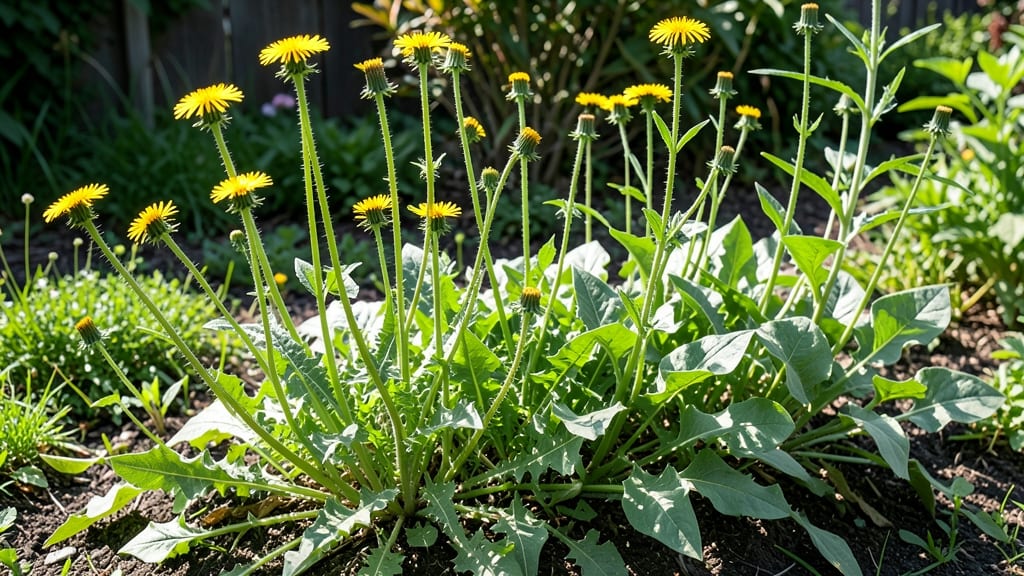
Tall broadleaf weeds like dandelions and plantain don’t just steal nutrients—they create fungal hotspots that spread to your prized plants. 🌱 I’ve spent years battling these stubborn invaders, and copper spray isn’t just a last resort; it’s the one tool that stops fungal spots dead in their tracks while controlling weeds at the root.
The secret isn’t just spraying—it’s timing. Apply when weeds are actively growing (spring or fall) and the soil is damp but not soggy. A homemade mix of 1 tablespoon copper sulfate per gallon of water works wonders, and you’ll see those yellowing leaves turn crisp and brown within days.
No more digging or pulling that leaves you exhausted by noon. What you’ll gain is a garden where weeds don’t just disappear—they stay gone. Your tomatoes, peppers, and flowers will thrive without competition, and the copper prevents those ugly black spots from turning your harvest into a loss.
Plus, it’s safe for edibles once fully dried. Works in vegetable beds, flower gardens, and even along driveways. Here’s how to make it work without harming your soil or plants.
Root Causes of Unwanted Growth
Understanding why tall broadleaf weeds dominate your lawn or garden starts with recognizing the environmental and biological factors that fuel their expansion. These plants don’t just appear out of nowhere—they thrive because of specific conditions that give them an edge over grass or cultivated crops.
Let’s break down the science behind their persistence.
Broadleaf weeds like dandelions, plantains, and chickweed often outcompete grass or desirable plants because they grow faster and taller. Here’s why:
- Weak Grass Roots: Thin or stressed grass (due to drought, poor soil, or overuse of fertilizers) leaves gaps that weeds exploit.
Tall broadleaf weeds have deep or sprawling root systems that absorb nutrients and water more efficiently than shallow grass roots. - Light Advantage: Weeds like lamb’s quarters and pigweed grow aggressively toward sunlight.
If your lawn has bare patches, these weeds will quickly fill the space, blocking sunlight from grass and stifling its growth. - Nutrient Scavenging: Some broadleaf weeds, such as clover, fix nitrogen in the soil, making them more resilient in nutrient-poor conditions.
This can create a feedback loop where weeds deplete soil resources, further weakening grass.
Actionable Insight: Conduct a soil test to check for nutrient deficiencies (like nitrogen, phosphorus, or potassium) and amend the soil with compost or organic matter to strengthen grass roots and reduce weed dominance.
Water is a double-edged sword for broadleaf weeds. While some weeds tolerate drought, others—like bindweed or smartweed—thrive in moist conditions. Here’s how watering habits contribute:
- Overwatering: Lawns that receive too much water (especially from sprinklers that wet foliage) create ideal conditions for weeds.
Broadleaf weeds often have broader leaves that retain moisture better than grass, giving them a growth boost. - Poor Drainage: Areas with standing water or compacted soil encourage weeds like sedges or buttercups.
These plants adapt to waterlogged conditions where grass struggles. - Irregular Watering: Inconsistent watering patterns (e.g., deep soakings followed by drought) stress grass, creating weak spots that weeds invade. Broadleaf weeds like purslane store water efficiently, making them resilient during dry spells.
Actionable Insight: Adjust your irrigation schedule to water deeply but infrequently (e.g., 1–1.5 inches per week) and ensure proper drainage. Use soaker hoses or drip irrigation to target grass roots without overwatering weed-prone areas.
Physical disturbances or soil compaction create the perfect storm for broadleaf weeds. Here’s how:
- Lawn Traffic: Foot traffic, pets, or machinery compact soil, reducing oxygen and root growth in grass.
Compacted soil also makes it harder for grass to recover, while weeds like creeping Charlie or henbit thrive in disturbed areas. - Construction or Renovation: Digging, tilling, or installing new landscaping disrupts the soil’s natural balance.
Weeds like crabgrass or goosegrass take advantage of exposed soil to germinate quickly. - Thatch Buildup: A thick layer of thatch (decomposed organic matter) smothers grass roots and blocks sunlight. Weeds like nutsedge exploit this layer to spread underground rhizomes or seeds.
Actionable Insight: Aerate compacted soil in the fall to improve root penetration and reduce weed-friendly conditions. Overseed bare patches with a dense grass variety to outcompete weeds naturally.
Broadleaf weeds are opportunistic and often align their growth cycles with seasonal changes or microclimates in your yard.
- Warm Seasons: Weeds like ragweed or morning glories germinate in spring and thrive in summer heat. Their rapid growth outpaces slower-growing grasses. - Cool Seasons: Plants like chickweed or plantain germinate in fall or early spring when temperatures dip.
They take advantage of grass’s dormancy to establish roots. - Microclimates: Shady, damp, or sunny spots in your yard can create microclimates where specific weeds dominate. For example, wood sorrel thrives in shady, moist areas, while sun-loving weeds like spurge take over sunny patches.
Actionable Insight: Time pre-emergent herbicides in early spring or fall to target weed seeds before germination. Mow high (3–4 inches) to shade out weed seeds and reduce their access to sunlight.
Improper use of herbicides or fertilizers can inadvertently encourage broadleaf weeds.
- Overuse of Broadleaf Herbicides: Applying herbicides like 2,4-D too frequently can kill off beneficial broadleaf plants (like clover) while leaving resistant weeds like bindweed or ground ivy unchecked. - Fertilizer Burn: Excessive nitrogen or synthetic fertilizers can harm grass while promoting weed growth.
Weeds like crabgrass respond quickly to high nitrogen, outcompeting stressed grass. - Resistant Strains: Some broadleaf weeds (e.g., horseweed or waterhemp) have developed resistance to glyphosate or other herbicides, making them harder to control with conventional methods.
Actionable Insight: Rotate herbicide active ingredients and use targeted treatments (like copper-based sprays for fungal spots) to avoid resistance. Opt for organic or slow-release fertilizers to support grass health without feeding weeds.
In a healthy ecosystem, insects, birds, and fungi keep weed populations in check. When this balance is disrupted:
- Pesticide Overuse: Broad-spectrum pesticides kill beneficial insects (like ladybugs or parasitic wasps) that prey on weed seeds or larvae.
This removes a natural barrier to weed growth. - Monoculture Lawns: Lawns dominated by a single grass type (e.g., Kentucky bluegrass) lack biodiversity, making them more susceptible to weed invasion.
Diverse plantings attract pollinators and predators that suppress weeds. - Invasive Species: Some broadleaf weeds (like Japanese knotweed) have no natural predators in new environments, allowing them to spread unchecked.
Actionable Insight: Introduce pollinator-friendly plants (like clover or wildflowers) to attract beneficial insects. Avoid unnecessary pesticide use and consider manual removal or targeted copper sprays to maintain balance.
Practical Ways to Tame Overgrown Weeds
Tall broadleaf weeds can quickly take over your garden, lawn, or landscape if left unchecked—but with the right approach, you can regain control. Below are targeted solutions based on the most common causes, from manual removal to chemical-free and chemical-based treatments.
Each method includes prevention tips to keep weeds from staging a comeback.
Best for: Small patches, organic gardens, or when weeds are still young.
How to Do It:
🔥 Pull at the Right Time
- Remove weeds before they seed (early morning or after rain when soil is moist).
- Grasp the base of the weed (not just the leaves) and pull straight up to avoid breaking the root.
👨🍳 Use the Right Tools
- Hand weeding: Works for small areas—just dig out the roots with a trowel or your fingers.
- Hoeing: For larger patches, use a stirrup hoe to slice through weeds at the soil line.
- Digging fork: Loosen compacted soil to uproot deep-rooted weeds like dandelions.
⏰ Frequency Matters
- Weekly checks prevent regrowth. Weeds grow fast—don’t let them mature!
💡 Prevention Tips:
- Mulch regularly (2–4 inches of organic mulch) to block sunlight and suppress growth.
- Water deeply but less often—weeds thrive in shallow, frequent moisture.
- Plant densely—crowded plants leave less room for weeds to sprout.
Best for: Large areas, pathways, or when you want to avoid chemicals.
How to Do It:
🍳 Cover with Cardboard or Newspaper
- Lay down black-and-white newspaper or cardboard (no glossy inserts) over weeds.
- Top with 4–6 inches of mulch (straw, wood chips, or leaves).
- Wait 4–6 weeks—weeds will decompose under the barrier.
🥘 Use Heavy-Duty Landscape Fabric
- For permanent suppression, lay landscape fabric (not plastic) over weeds, then add mulch.
- Cut holes for plants you want to keep.
💡 Prevention Tips:
- Replenish mulch every season—thin layers let weeds sneak through.
- Avoid plastic sheets—they trap heat and can harm soil long-term.
- Check fabric edges—weeds can grow along seams.
Best for: Fungal-resistant weeds (like those with rust or spot diseases) or when organic methods aren’t enough.
How to Do It:
🌡️ Mix the Right Copper Solution
- Use a copper fungicide spray (like Bordeaux mixture or copper sulfate).
- Follow label instructions—typically 1–2 tbsp per gallon of water.
- Spray evenly on leaves and stems (avoid overspray on desired plants).
🎯 Apply at the Right Time
- Early morning or late afternoon (avoid direct sunlight to prevent plant burn).
- Reapply every 7–14 days until weeds weaken or die.
⚠️ Safety & Tips:
- Wear gloves and a mask—copper can irritate skin and lungs.
- Test on a small area first—some plants are copper-sensitive.
- Combine with manual removal for stubborn weeds.
💡 Prevention Tips:
- Improve drainage—fungal spots thrive in damp conditions.
- Rotate copper treatments with other fungicides to prevent resistance.
- Remove infected plant debris immediately to stop spread.
Best for: Established weed problems where speed is key.
How to Do It:
🥗 Vinegar-Based Herbicide (DIY)
- Mix 1 gallon white vinegar + 1 cup salt + 1 tbsp dish soap.
- Spray directly on weeds (avoid wind—it kills everything it touches).
- Works in 24–48 hours but may require 2–3 applications.
💪 Commercial Herbicides (Spot Treatment)
- Use glyphosate-free options like corn gluten meal (pre-emergent) or clopyralid (for broadleaf weeds).
- Apply on calm days to prevent drift onto desired plants.
- Follow label rates—overuse can harm soil microbes.
💡 Prevention Tips:
- Pre-treat bare soil with corn gluten meal in early spring.
- Avoid herbicides before rain—they can wash away or harm plants.
- Spot-treat only—broad applications can kill grass and flowers.
| Step | Action | Frequency |
|---|---|---|
| Inspect weekly | Pull new weeds before they seed | Every 5–7 days |
| Mulch paths & beds | Apply 2–3 inches of mulch | Spring & fall |
| Water deeply | Encourage deep roots in grass/plants | 1–2 times per week |
| Use copper spray | Treat fungal weeds early | As needed |
| Smother bare spots | Cover with cardboard + mulch | Seasonal |
Remember: The key to beating tall broadleaf weeds is consistency. Combine manual removal, smothering, and targeted treatments for the best results—and always act before weeds go to seed! 🌿🚫
Frequently asked questions
How can I tell if a tall broadleaf weed has fungal spots?
Look for dark brown or black spots with yellow halos on the leaves. Fungal-infected weeds often have irregular patches or powdery growth. Copper spray works best when you see these symptoms—apply when weeds are actively growing (spring or fall) and soil is damp but not soggy.
Will copper spray harm my vegetables or flowers?
Only if applied directly or oversprayed. Always spray weeds early morning or late afternoon and avoid windy days. Wait 24 hours before harvesting edibles, and never spray flowering plants—copper can damage their delicate tissues.
What’s the best time of year to treat tall broadleaf weeds?
Early spring or fall when weeds are actively growing but before they seed. Summer treatments can stress plants, while winter applications may not be effective. For fungal spots, treat when you see symptoms—don’t wait for weeds to spread.
Can I reuse copper spray on the same area repeatedly?
Yes, but rotate with other organic methods like manual removal or vinegar spray every 4-6 weeks. Overuse can build resistance in weeds or harm soil microbes. Always follow label instructions and monitor plant health.
What’s the fastest way to kill established tall broadleaf weeds?
Combine copper spray with smothering for immediate results. Apply copper to fungal spots, then cover the area with cardboard and mulch. Weeds will die within 2-4 weeks as they decompose under the barrier.