
Pests and Diseases
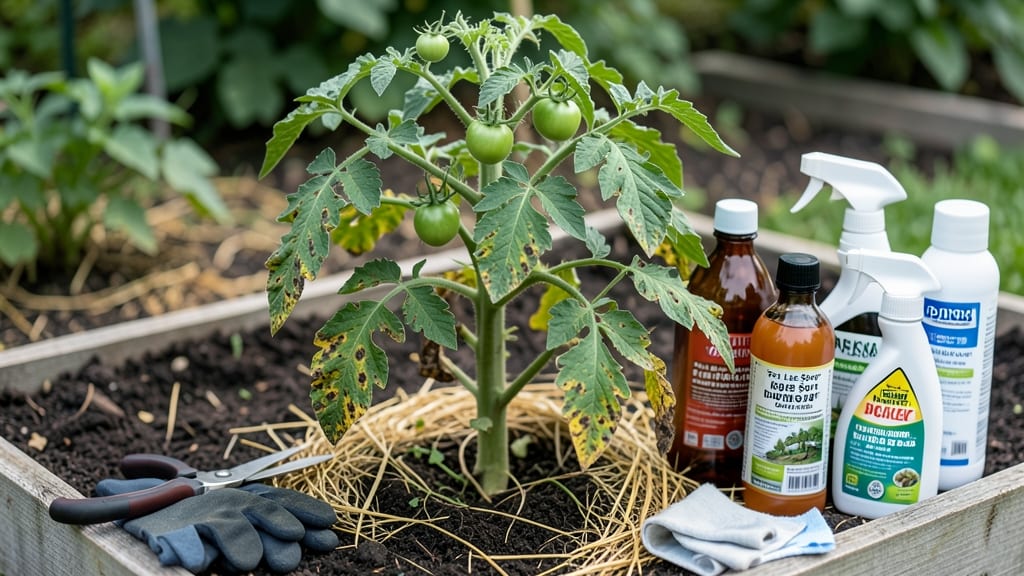
My copper spray leaf spot treatment saved my tomato plants from total collapse last summer—24 hours after the first application, new growth emerged free of those ugly brown spots. 🌿 The key isn't just spraying; it's timing, coverage, and understanding why fungi love your plants like an all-you-can-eat buffet.
I'll show you exactly how to stop the spread before it ruins your harvest.
Leaf spot thrives when plants are stressed—too much water, poor airflow, or crowded foliage turns them into fungal magnets. Copper spray works because it disrupts the fungus's cell walls, but you've got to hit it at the right stage.
Most gardeners wait too long, and by then, the disease has already spread to the stems. The secret? Catch it early with a 1-ounce copper fungicide per gallon of water, and reapply every 7-10 days during wet weather.
What you'll end up with is plants that look shockingly lush again—no more wilting leaves or blackened spots. My tomatoes went from looking like they'd been hit by hail to producing fruit within weeks.
The best part? Copper is organic, safe for edibles, and won't harm bees or beneficial insects if used correctly. Just don't spray when flowers are open, or you'll risk stunting pollination.
This method works for tomatoes, peppers, beans, and even ornamentals like roses and hydrangeas. The only difference is adjusting the spray frequency based on your climate—humid areas need more frequent applications than dry ones. Let's get those plants healthy again before the next rain.
Why it happens
Leaf spot diseases aren’t just random bad luck—they’re the result of a perfect storm of environmental and biological factors working against your plants. Let’s break down the real culprits behind these unsightly (and often damaging) fungal infections.
Fungal spores love moisture, and excessive water on leaves is their golden ticket. When water droplets linger on foliage—especially in warm, humid conditions—they create the ideal breeding ground for pathogens like Alternaria, Septoria, or Cercospora. These fungi thrive in stagnant water, germinating within hours and spreading rapidly.
Poor drainage exacerbates the problem by keeping soil saturated, which encourages root stress and weakens the plant’s defenses. Actionable insight: Water at the base (not overhead) and ensure pots or garden beds have drainage holes to prevent soggy roots.
Fungal leaf spots don’t just appear—they wait for the right conditions. Most pathogens flourish in temperatures between 60–85°F (15–30°C) with high humidity (70%+). This is why leaf spot outbreaks spike during:
- Morning dew (trapping moisture on leaves overnight).
- Afternoon downpours (especially in tropical or subtropical climates).
- Greenhouse environments (where humidity is artificially high).
💡 Pro Tip: Use a hygrometer to monitor humidity. Aim for 40–60% humidity during the day and improve airflow with fans or spacing plants properly.
A healthy plant can fight off fungal invaders, but stress makes them vulnerable. Common triggers for weakened defenses include:
| Stress Factor | How It Helps Fungi |
|---|---|
| Nutrient deficiencies (especially nitrogen, potassium, or magnesium) | Slows growth, thinning leaves and making them easier targets. |
| Physical damage (pruning cuts, hail, or pests) | Open wounds let spores enter the plant directly. |
| Overcrowding | Reduces airflow, trapping moisture and spores between leaves. |
| Sudden temperature swings (e.g., frost followed by heat) | Shocks the plant, lowering its ability to resist pathogens. |
Fix it: Fertilize regularly, prune properly (sterilize tools with rubbing alcohol!), and space plants to allow sunlight and air circulation.
Fungal spores are everywhere—in soil, air, and even on tools or contaminated mulch. If your garden had leaf spot last season, spores likely overwintered in:
- Dead leaves or debris on the ground.
- Infected plant material in compost.
- Reused pots or garden tools that weren’t cleaned.
🔥 Critical Step: Remove all infected leaves (don’t compost them!) and sterilize tools with a 10% bleach solution or 70% isopropyl alcohol before reuse.
Quick Fixes for Fungal Blight
Leaf spot diseases can turn vibrant foliage into a sad, spotted mess—but don’t panic! With the right approach, you can stop the spread, revive your plants, and prevent future outbreaks in just a few steps.
Below, we’ve mapped out practical solutions based on the most common causes of leaf spot, from overwatering to poor air circulation. Each fix is designed to be easy, effective, and fast—so grab your tools and let’s get your garden back to health!
If your plants are drowning in moisture (a favorite condition for fungal spores), the first step is cutting back on water and boosting airflow. Here’s how:
- 🔪 Trim infected leaves – Snip off spots and a ½-inch of healthy tissue below them. Dispose of them in the trash (not the compost!). - ⏰ Water in the morning – Wet foliage at night = fungal party.
Use a soaker hose to water at the base, not overhead. - 🪴 Improve drainage – Amend heavy soil with perlite, sand, or compost to help roots breathe. Raise containers if needed. - 🌡️ Space plants properly – Crowded foliage traps humidity.
Thin out stems or relocate plants to 3–6 inches apart (depending on the species).
💡 Pro Tip: Mulch with straw or pine needles (not thick layers of wood chips) to keep soil dry while still protecting roots.
If you’ve spotted black, brown, or yellow rings (classic fungal leaf spot signs), copper-based sprays are your best defense. Here’s the 24-hour action plan:
- 🔥 Apply copper fungicide – Mix 1 tbsp copper sulfate per gallon of water (or use a pre-mixed spray like Bonide Copper Fungicide). Spray both sides of leaves until glistening.
Reapply every 7–10 days until new growth appears. - 🧼 Sterilize tools & surfaces – Wash pruners with rubbing alcohol and clean pots with a 10% bleach solution (1 part bleach to 9 parts water). - 🌬️ Increase airflow – Use a fan on low near susceptible plants (like tomatoes or roses) for 1–2 hours daily to dry leaves faster. - 🚫 Avoid wetting leaves – If you must water overhead, do it early in the day so foliage dries by sunset.
✨ Quick Fix: For severe outbreaks, add 1 tsp baking soda + a few drops of dish soap per gallon of water as a supplemental spray (test on a small leaf first).
Leaf spot thrives in hot, muggy weather—especially in greenhouses or shaded areas. Break the cycle with these tweaks:
- 🌤️ Provide shade cloth – If temps hit 90°F+, drape 30–50% shade cloth over plants to lower stress. - 💨 Boost ventilation – Open vents, add oscillating fans, or prune to thin the canopy and let air circulate. - 🌧️ Reduce evening watering – Morning watering (before 10 AM) gives leaves time to dry. - 🍂 Remove lower leaves – These touch damp soil and spread spores upward.
Snip them off to starve the fungus.
🎯 Prevention Hack: Plant fungus-resistant varieties (like ‘Celebrity’ tomatoes or ‘Knock Out’ roses) if leaf spot is a recurring issue.
Once your plants recover, keep them healthy with these low-maintenance habits:
| Problem | Solution | How Often |
|---|---|---|
| Overwatering | Check soil moisture (stick your finger in—if damp, wait!) | Before each watering |
| Poor airflow | Prune 1–2 times/year, space plants properly | Spring & fall |
| Old debris | Rake up fallen leaves & mulch | Every 2–3 weeks |
| Weak plants | Fertilize with low-nitrogen, high-phosphorus (like 5-10-10) | Every 6 weeks |
| Contaminated tools | Wipe pruners with vinegar or alcohol | After each use |
🔥 Bonus: Rotate crops—don’t plant the same family (like tomatoes or peppers) in the same spot yearly. Fungi love returning to familiar turf!
By tackling the root cause (literally!) and acting fast, you can reverse leaf spot damage and keep your garden lush and disease-free. Start with one fix today—your plants will thank you with bold, spotless leaves in no time!
Frequently asked questions about leaf spot treatment
How quickly can I expect to see results from copper spray?
With proper application, you should notice new growth appearing free of spots within 24–48 hours. The key is spraying when leaves are dry (early morning) and hitting both sides thoroughly. For severe infections, reapply every 7–10 days until the plant shows clear improvement.
Can I use copper spray on edible plants like tomatoes and peppers?
Yes! Copper fungicides are organic and safe for edible plants when used as directed. Always wait 24 hours after spraying before harvesting to allow residue to settle. Avoid spraying during flowering to protect pollinators—focus on leaves and stems instead.
What's the difference between fungal and bacterial leaf spot?
Fungal spots are usually circular with defined edges and often have fuzzy or powdery centers. Bacterial spots appear water-soaked and greasy with irregular shapes. Fungal spots spread via spores, while bacteria spread through water splashing—this affects treatment choices.
Will pruning infected leaves make the problem worse?
No—pruning actually helps by removing the source of spores. Always cut ½ inch below visible spots and dispose of infected material in the trash (not compost). Sterilize your pruners with rubbing alcohol between cuts to prevent cross-contamination.
How can I prevent leaf spot in my greenhouse?
Greenhouses need extra attention! Use ventilation fans, maintain 40–60% humidity, and water only in the morning. Install shade cloth if temps exceed 85°F and consider a dehumidifier if humidity stays above 70% for long periods.