
Diseases
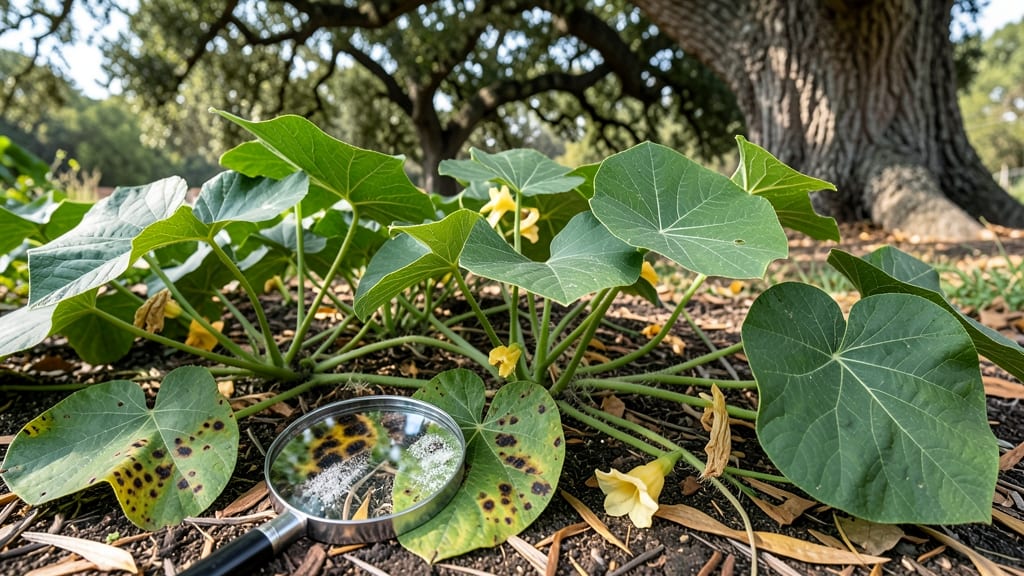
That first brown spot on the sweet potato leaf diseases pictures could mean the difference between a thriving harvest and a total loss. 🌱 I’ve seen fungal diseases turn lush green foliage into a patchwork of yellow and black in just a few weeks—and knowing what you’re dealing with is the only way to stop it before it spreads.
The problem usually starts with humidity, poor airflow, or contaminated soil. My biggest mistake? Ignoring those tiny speckles until they became full-blown infections.
But once you recognize the patterns—whether it’s the ring of purple on black rot or the greasy streaks of bacterial leaf spot—you can act fast with copper sprays or organic fungicides.
You’ll learn to spot each disease by its unique markings, from the powdery mildew that looks like dust to the oily sheen of bacterial spots. With these visual cues, you’ll treat the right problem the first time, not just guess and hope.
Prevention is easier than cleanup, and I’ll show you how to keep your plants healthy all season—no more panicked late-night searches for solutions.
Understanding Root Causes
Sweet potato leaves are like the canaries in the coal mine—when they start showing signs of distress, it’s often a sign that something’s off in the growing environment. 🌱🔍 Understanding why these diseases strike is the first step to preventing them.
Let’s break down the key culprits behind sweet potato leaf diseases, so you can tackle them head-on.
Fungal diseases are the #1 cause of sweet potato leaf spots, and they thrive in warm, moist conditions. Here’s how they sneak in:
- Overcrowded Plants 🌿 Fungi spread faster when leaves brush against each other, creating a perfect bridge for spores. Poor airflow traps humidity, giving fungi the ideal environment to multiply. Actionable fix: Space plants 12–18 inches apart and prune overgrown foliage to improve circulation.
- Excess Moisture 💧 Fungi love dampness—whether from overhead watering, poor drainage, or heavy dew.
Wet leaves for prolonged periods (like 10+ hours) create a breeding ground for pathogens like Alternaria and Cercospora. Actionable fix: Water at the base in the early morning, avoid wetting leaves, and ensure raised beds or containers have drainage holes.
- Weakened Plants 🛡️ Stressed sweet potatoes (from nutrient deficiencies, transplant shock, or pests) have lower defenses against fungi.
For example, a lack of potassium (K) or magnesium (Mg) makes leaves more susceptible to infections. Actionable fix: Use a balanced fertilizer (10-10-10) and foliar spray with magnesium sulfate (Epsom salt) if yellowing appears between veins.
Not all leaf diseases come from fungi—some are environmentally triggered, weakening plants and making them vulnerable to secondary infections.
- Extreme Temperatures ❄️☀️ Sweet potatoes prefer 70–85°F (21–29°C).
Too much heat (above 90°F) or cold snaps (below 50°F) stress plants, leading to sun scorch or chilling injury, which can mimic disease symptoms. Actionable fix: Use shade cloth in peak summer or row covers in early spring to moderate temps.
- Poor Soil Health 🌍 Compacted, nutrient-poor, or overly acidic soil (pH < 5.8) stunts growth, making leaves thin and prone to tears—entry points for fungi. Actionable fix: Test soil pH (aim for 5.8–6.5) and amend with compost or lime if needed.
- Water Stress 💦 Both overwatering (root rot) and drought (wilting) weaken plants. Fungi like Phytophthora exploit waterlogged soil, while drought-stressed leaves develop necrotic spots from dehydration. Actionable fix: Mulch with straw to retain moisture and water deeply but infrequently (1–1.5 inches per week).
Sometimes, well-meaning gardening habits backfire and create perfect conditions for diseases. Here’s how:
- Improper Pruning ✂️ Cutting leaves too aggressively or with contaminated tools can introduce fungal spores to fresh wounds. Actionable fix: Sterilize pruners with rubbing alcohol (70%+) between cuts and avoid heavy pruning during rainy seasons.
- Reusing Contaminated Soil 🌱🚫 Planting sweet potatoes in soil where infected leaves decomposed leaves behind dormant fungal spores. Actionable fix: Rotate crops annually and solarize soil (cover with clear plastic for 4–6 weeks in summer) to kill pathogens.
- Ignoring Early Signs 🚨 Small brown spots or yellowing are often dismissed as "just stress," but by the time large lesions appear, the fungus has spread. Actionable fix: Inspect leaves weekly and remove affected foliage immediately (don’t compost it—trash or burn it).
Pro Tip: 💡 Prevention is cheaper than cure! Rotate crops, practice 3-year soil rest, and choose disease-resistant varieties like ‘Beauregard’ or ‘Georgia Jet’ to minimize risks. If diseases strike, act fast—fungicides (copper-based or neem oil) work best on early-stage infections.
How to Treat and Prevent Leaf Issues
Sweet potato leaves may look like a tough bunch, but they’re just as vulnerable to diseases as any other plant. The good news? Most fungal and bacterial problems are manageable with the right approach.
Below, we’ll match common sweet potato leaf diseases to their fixes—plus pro tips to keep your crop healthy long-term.
Fungi thrive in damp, warm conditions, so early action is key.
🔥 Black Rot or Leaf Spot (Alternaria/Cercospora)
Fix:
- Remove infected leaves immediately 🌱—don’t compost them; toss in the trash.
- Apply copper fungicide (like Bordeaux mixture) every 7–10 days until new growth appears.
- Space plants wider (18–24 inches apart) for better airflow—fungi love crowded, damp leaves.
- Water at the base only (never overhead) to keep foliage dry.
Prevention:
- Rotate crops yearly—don’t plant sweet potatoes in the same spot.
- Choose disease-resistant varieties (e.g., ‘Beauregard’ or ‘Georgia Jet’).
- 💡 Pro Tip: Mulch with straw (not wet hay) to reduce soil splashing onto leaves.
🥘 Powdery Mildew (White Dusty Coating)
Fix:
- Spray with neem oil or baking soda mix (1 tsp baking soda + 1 quart water + a drop of dish soap) weekly.
- Prune for airflow—remove lower leaves that brush against damp soil.
- Reflect sunlight with a white sheet on the north side of rows to reduce humidity.
Prevention:
- Avoid overhead irrigation; use drip lines instead.
- ✨ Pro Tip: Plant marigolds nearby—they repel pests that stress plants (and invite mildew).
🍠 Soft Rot (Erwinia or Pythium)
Fix:
- Dig up and destroy infected tubers—don’t save them for storage.
- Soak healthy tubers in a 10% bleach solution (1 part bleach to 9 parts water) for 20 minutes before storing.
- Improve drainage—amend heavy clay soil with compost or sand.
Prevention:
- 🌡️ Keep storage cool (55–60°F) and dry—humidity >85% speeds rot.
- Test soil pH (aim for 5.8–6.5); acidic soil encourages Pythium.
Bacteria spread fast—act quickly to contain them.
🔪 Bacterial Leaf Spot (Yellow Halos + Ooze)
Fix:
- Prune infected leaves with sterilized shears (wipe with rubbing alcohol between cuts).
- Use streptomycin or copper spray (follow label rates) every 5–7 days.
- Solarize soil in late summer: Cover beds with clear plastic for 4–6 weeks to kill bacteria.
Prevention:
- 🎯 Avoid working with wet leaves—bacteria hitchhike on tools and hands.
- Plant in raised beds if your garden stays soggy.
🌿 Bacterial Wilts (Sudden Drooping)
Fix:
- Pull and destroy infected plants—no cure exists once symptoms appear.
- Disinfect tools and hands with 70% alcohol after handling.
- Plant resistant varieties like ‘Covington’ if wilts are recurrent.
Prevention:
- 💡 Pro Tip: Rotate with non-host plants (e.g., beans, peas) for 3 years.
- Avoid planting in low-lying areas where water pools.
Even after treating diseases, these habits keep leaves healthy:
| Do This | Avoid This |
|---|---|
| 👨🍳 Water deeply 2–3x/week (early morning) | Overhead watering at night |
| 🌿 Mulch with straw (2–3 inches) | Wet mulch or grass clippings |
| 🔪 Prune for airflow (remove crowded leaves) | Ignoring yellowing until late |
| 📊 Test soil every 2 years (pH, nutrients) | Skipping crop rotation |
Final Reminder: 🚨 Act fast—fungi and bacteria multiply when you’re not looking. Check leaves weekly, especially after rain, and your sweet potatoes will reward you with lush, disease-free foliage (and tasty tubers!).
(Need visual help? Bookmark our sweet potato leaf diseases pictures guide for side-by-side comparisons!)
Frequently asked questions about sweet potato leaf diseases
What are the most common signs of fungal infections on sweet potato leaves?
Look for dark brown or black spots with yellow halos (like Alternaria or Cercospora leaf spots) or powdery white coatings (powdery mildew). Fungal spots often appear on older leaves first and may develop concentric rings. Check the undersides of leaves too—many fungi start there!
Can I still harvest sweet potatoes if the leaves have diseases?
Yes, but only if the tubers themselves are healthy. Focus on varieties like 'Beauregard' that produce well even with leaf damage. Avoid harvesting if you see soft rot symptoms (mushy, foul-smelling tubers) or bacterial wilts—these can spread to the roots. Always inspect tubers before storage!
How do I know if my sweet potato disease is fungal vs. bacterial?
Fungal diseases usually show as dry, crusty spots with fuzzy edges, while bacterial infections produce water-soaked lesions that ooze when wet. Bacterial spots often have yellow halos and spread faster in warm, humid conditions. Use a magnifying glass to check for bacterial ooze—it's a dead giveaway!
Are there organic treatments that actually work for sweet potato leaf diseases?
For fungi, try a baking soda spray (1 tsp baking soda + 1 quart water + a drop of dish soap) or neem oil (2 tbsp per gallon of water). For bacterial issues, copper fungicide (like Bordeaux mixture) is effective. Always apply in the early morning when humidity is lower for best results.
Why do my sweet potato leaves keep getting diseases even after treatment?
This usually means the root cause isn't fixed. Check for poor drainage, overcrowding, or contaminated tools/soil. Fungi and bacteria thrive when plants are stressed—test your soil pH (5.8-6.5 is ideal) and ensure proper spacing (18-24 inches between plants). Rotate crops annually to break disease cycles!