
Aphids
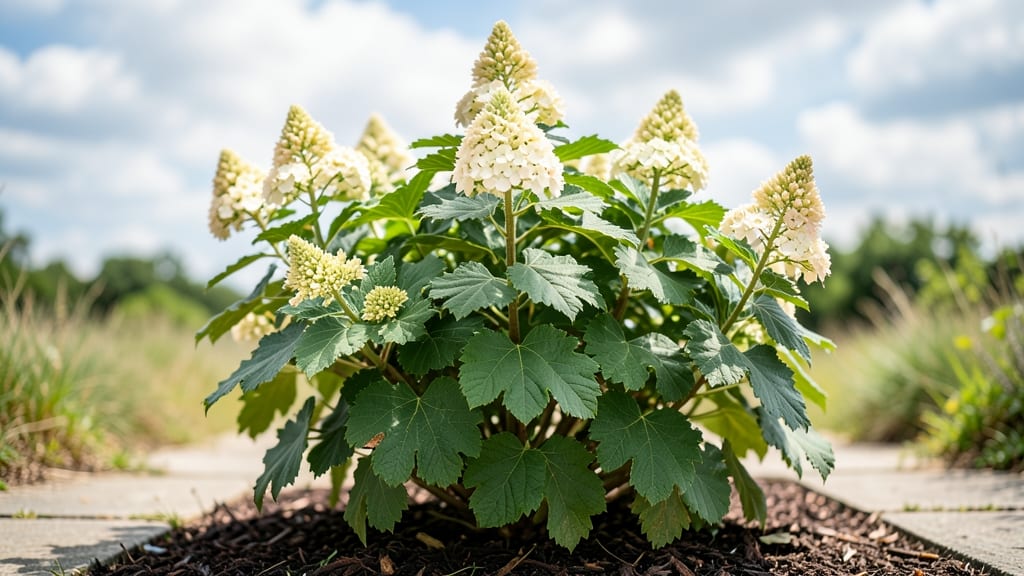
Oakleaf hydrangea photos reveal why this plant steals the show in shade gardens all year long. 🌿 The moment I spotted one in a neighbor’s garden, I knew its bold foliage—deep green, oakleaf-shaped, and fiery red in fall—would transform my own shady spots into dramatic focal points.
What makes oakleaf hydrangea so special isn’t just its stunning leaves but how they change with the seasons. In spring, fresh green leaves unfurl, summer brings glossy texture, and by autumn, the foliage bursts into fiery oranges and reds—long after other plants have faded.
The large, cone-shaped blooms add another layer of texture, making it a standout even when not in bloom.
Place one near a patio or along a shady walkway, and you’ll create instant curb appeal. Pair it with ferns, hellebores, or hostas to amplify the lush, layered look. The plant thrives in partial shade, so it’s perfect for spots where sun-loving plants struggle.
For maximum impact, choose a location with well-draining soil and morning sun. The contrast of its bold leaves against softer textures creates a garden that feels both wild and polished—no technical skills required, just great placement.
📚 In This Guide
- What you need
- Instructions
- Tips and common mistakes
- Wrapping up and next steps
What you need
- ● Oakleaf Hydrangea Plant(s) Mature plants (3–5 years old) for full foliage drama
- ● Varieties like Hydrangea quercifolia or cultivars (e.g., 'Snow Queen,' 'Pee Wee')
- ● Camera Gear DSLR or mirrorless camera (with manual settings for flexibility)
- ● Wide-angle lens (16–35mm) for full-plant shots
- ● Macro lens (100mm+) for close-ups of leaves/texture
- ● Lighting & Backdrops Natural shade (dappled sunlight or overcast days for soft lighting)
- ● Reflector (5-in-1 or silver/gold) to enhance foliage depth
- ● Neutral-colored backdrop (e.g., gray fabric or garden wall) for clean compositions
- ● Tools for Styling Pruning shears (to trim overgrown leaves for a polished look)
- ● Garden gloves (for handling plants without smudging leaves)
- ● Spray bottle (with water to refresh wilted foliage)
- ○ Optional Extras Tripod (for steady shots in low light)
- ● External flash (with diffuser for even lighting)
- ● Petals/flowers (to add contrast in seasonal shots)
- ● Drone (for aerial perspectives of large garden beds)
How to capture stunning oakleaf hydrangea photos year-round
Here's my approach to photographing oakleaf hydrangeas—showcasing their ever-changing foliage from spring blooms to fiery fall color.
📸 Step 1: Scout Locations for Seasonal Color Shifts
Visit your garden at different times of day to see how light transforms the leaves. Oakleaf hydrangeas change dramatically—spring's deep green, summer's glossy foliage, and fall's fiery reds. I always photograph the morning light when dew enhances texture, and late afternoon for warm golden tones.
Look for contrasting backgrounds: dark evergreens make the red foliage pop, while light-colored walls reflect soft light onto the leaves. I avoid photographing during midday sun when harsh shadows flatten the dramatic color shifts oakleaf hydrangeas are famous for.
☀️ Step 2: Master Lighting for Each Season's Foliage
Spring blooms need bright, diffused light to capture their delicate petals against fresh green leaves. I use an overcast day or shoot under a large tree canopy to avoid blown-out highlights. For summer's glossy foliage, position yourself so light hits the leaves at a 45-degree angle to emphasize their waxy texture.
Fall's fiery colors demand soft, warm light. I photograph during the golden hour when the sun casts a warm glow that enhances the reds and purples. If you're indoors, position the plant near a south-facing window for natural light that mimics outdoor conditions.
🌿 Step 3: Frame for Texture and Depth
Get close to capture the unique oak-shaped leaves that give this hydrangea its name. Use a macro lens or zoom in on a single leaf to show its veining and subtle color variations. I often include a few blooms in the frame to show the plant's dual beauty—both foliage and flowers.
For wider shots, include elements that show the plant's size and habit. Oakleaf hydrangeas can reach 6-10 feet tall, so photograph them against a backdrop that emphasizes their stature. I like to include garden paths or benches to give a sense of scale and invite viewers into the scene.
⏰ Step 4: Time Your Shots for Peak Seasonal Interest
Spring is all about the new growth and blooms, so photograph when flowers first open. Summer's glossy foliage peaks in mid-season when leaves are fully mature. I mark my calendar for late August to October when fall colors reach their most vibrant.
Don't forget winter interest! Oakleaf hydrangeas develop peeling bark and interesting branch structures that make great winter subjects. Photograph on bright, crisp days when the sky provides a clean background that makes the plant stand out.
📱 Step 5: Edit for Natural Beauty
I use light editing to enhance the natural colors without over-processing. Increase contrast slightly to make the foliage colors pop, but keep the image looking natural. For fall photos, I add a warm tone to enhance the reds and oranges while maintaining the plant's natural appearance.
Crop images to emphasize the plant's best features. Remove distracting elements in the background and focus on the hydrangea's foliage and flowers. I often use a 16:9 ratio for garden photos to capture the full plant while maintaining a natural composition.
Tips & Tricks for oakleaf hydrangea photography
These pro tips will help you capture the full seasonal spectrum of oakleaf hydrangeas with professional results.
Lighting Secrets for Seasonal Shifts: In Step 2, when photographing summer's glossy foliage, I recommend using a reflector to bounce light onto shaded leaves. This creates even illumination that reveals the waxy texture without harsh shadows. For fall photos, I always shoot during golden hour—those warm tones make the red foliage absolutely pop against cooler backgrounds. The 45-degree angle mentioned for summer works best with a polarizing filter to reduce glare on the leaves.
Composition Tricks for Depth: When framing wider shots in Step 3, I like to use the "thirds rule" by placing the hydrangea's base along one of the grid lines on my camera's viewfinder. This creates a more dynamic composition while still emphasizing the plant's height. For close-ups, I focus on the leaf veins—those intricate patterns tell the story of the plant's natural beauty better than any wide shot could.
Seasonal Timing Hacks: The calendar dates in Step 4 are your golden window, but I've found that late September often delivers the most vibrant fall colors. If you miss that, don't worry—early October still works beautifully. For winter shots, I look for days with clear skies and temperatures above 40°F, as frost can dull the bark's natural textures. I always photograph winter subjects in the morning when dew enhances the textures of peeling bark.
Editing Enhancements: In Step 5, I recommend using a color grading tool to enhance the natural tones without over-processing. For spring photos, I boost the greens slightly while maintaining the delicate petal details. Fall images get a subtle warm overlay, but I never let it look unnatural—these plants are stunning just as they are! The 16:9 ratio works perfectly for most garden scenes, but I sometimes switch to 3:2 for tighter compositions when focusing on foliage details.
Pro Tips for Photos Of Oakleaf Hydrangea
- These pro tips will help you capture the full seasonal spectrum of oakleaf hydrangeas with professional results.
- Lighting Secrets for Seasonal Shifts: In Step 2, when photographing summer's glossy foliage, I recommend using a reflector to bounce light onto shaded leaves.
- Composition Tricks for Depth: When framing wider shots in Step 3, I like to use the "thirds rule" by placing the hydrangea's base along one of the grid lines on my camera's viewfinder.
Frequently asked questions
Got questions about showcasing oakleaf hydrangea in your garden? You’re not alone! Here are answers to the most common queries—from care tips to seasonal secrets.
What’s the best time to take photos of oakleaf hydrangea for vibrant foliage?
Capture the peak drama in late summer to early fall (August–October) when leaves turn fiery red, orange, or purple. For winter interest, shoot after the first frost when foliage takes on a papery, rustic glow. Morning light softens shadows and enhances colors—just avoid midday glare!
How do I make my oakleaf hydrangea photos pop in shade gardens?
Use contrasting textures: Pair the hydrangea’s bold leaves with mossy rocks, ferns, or smooth hostas. For depth, photograph from a low angle to highlight the underside of leaves (they’re often a stunning silver or burgundy!). A macro lens reveals intricate veins—perfect for close-ups.
Why are my oakleaf hydrangea leaves turning brown or crispy?
Brown edges or crispiness usually mean underwatering or too much sun. Oakleaf hydrangeas thrive in partial shade (4–6 hours of dappled light daily). Check soil moisture—it should stay evenly damp but not soggy. Mulch helps retain moisture and protect roots from extreme temps.
Can I grow oakleaf hydrangea in containers? If so, what’s the best setup?
Choose a large container (at least 15-gallon) with drainage holes and use a well-draining potting mix (add perlite or orchid bark). Opt for glazed or fabric pots to regulate moisture. Move containers to protected shade in summer and bring indoors if temps drop below 10°F (-12°C).
Do oakleaf hydrangeas bloom reliably? How can I encourage more flowers?
Oakleaf hydrangeas are late bloomers (June–July) and prioritize foliage over flowers. To boost blooms, prune in late winter/early spring (remove dead wood and shape lightly). Fertilize in early spring with a balanced, acidic fertilizer (10-10-10) and ensure consistent moisture—drought stress reduces flowering.
Wrapping up and next steps
Capturing the oakleaf hydrangea in photos is like framing a living masterpiece—its fiery fall colors, glossy summer leaves, and delicate blooms bring unmatched drama to any shade garden.
Whether you’re a seasoned photographer or a curious gardener, these stunning plants offer endless creative opportunities, proving that beauty thrives even in the quietest corners of your yard. 🌿
Now that you’re inspired, grab your camera and head outside! Experiment with angles, lighting, and seasons to showcase this hydrangea’s year-round allure. Your next favorite shot (or even a future garden centerpiece!) could be just one click away.