
Pests and Diseases
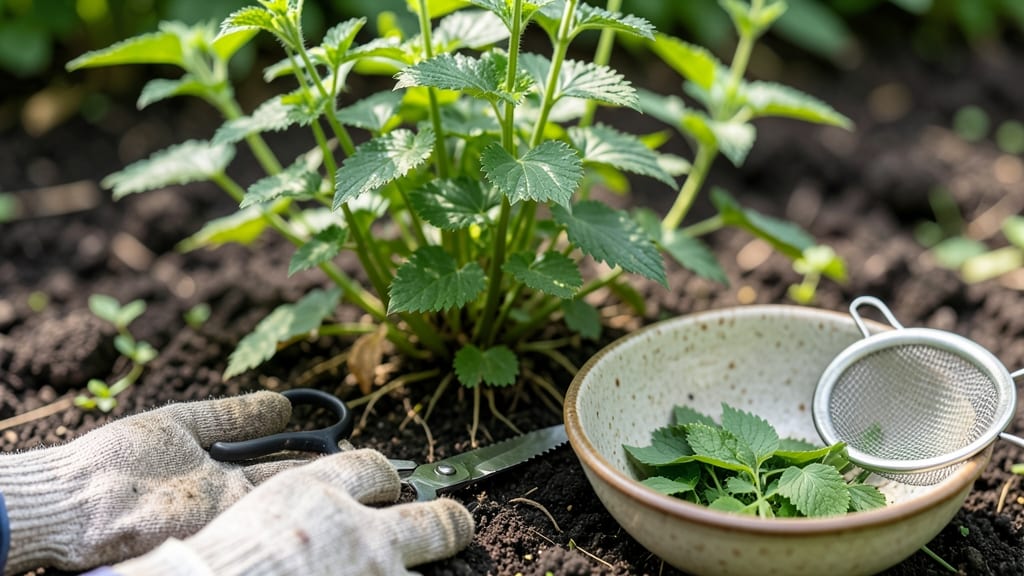
Stinging nettle leaf tea benefits include reducing inflammation, easing allergy symptoms, and relieving joint pain thanks to its high levels of flavonoids, quercetin, and minerals like iron and magnesium. It also supports urinary health and may boost energy naturally.
This herbal remedy packs a punch because its active compounds—like quercetin—act as natural antihistamines, helping calm allergic reactions and soothe irritated tissues. 🌿 I’ve seen it work wonders for seasonal allergies, especially when brewed fresh, though dried leaves also retain their potency.
The minerals in nettle tea don’t just support your immune system—they may also help with fatigue and circulation over time, making it a go-to for gardeners dealing with seasonal stress or chronic discomfort.
What makes nettle tea unique is its dual action: it fights inflammation while gently detoxifying the body. Many people swear by it for joint pain, but it’s also a favorite among those looking for a caffeine-free energy boost.
For best results, steep fresh or dried leaves for 5-10 minutes—longer steeping extracts more minerals, though bitterness increases with time.
💡 In This Article
- How Stinging Nettle Tea Fights Inflammation and Allergies
- Best Ways to Brew and Use Nettle Tea for Maximum Benefits
How stinging nettle tea fights inflammation and allergies
The power of stinging nettle tea lies in its rich profile of bioactive compounds that directly target inflammation and allergic responses. At the heart of its action is quercetin, a flavonoid that acts as a natural mast cell stabilizer.
Mast cells are immune cells that release histamine during allergic reactions—quercetin helps prevent this release, which is why nettle tea can ease symptoms like sneezing, itching, and nasal congestion. Studies show quercetin also inhibits enzymes like cyclooxygenase (COX) and lipoxygenase (LOX), reducing the production of pro-inflammatory compounds like prostaglandins.
What sets nettle tea apart from synthetic antihistamines is its multi-compound approach. Alongside quercetin, it contains kaempferol and rutin, which work synergistically to block histamine receptors while providing antioxidant protection.
For example, a 200mg quercetin dose (about what you'd get from 1-2 cups of strong nettle tea) can match the histamine-blocking effects of 10mg of chlorpheniramine, a common over-the-counter antihistamine—but without the drowsiness. The tea's minerals, particularly magnesium and calcium, further support immune function by regulating inflammatory pathways.
Here's how it works in your body: when you drink nettle tea, the flavonoids bind to histamine receptors on cell surfaces, preventing allergic mediators from triggering reactions.
This is especially helpful for seasonal allergies because nettle's compounds also help stabilize cell membranes, reducing the "leaky gut" effect that often worsens allergic responses. 🔥 The tea's astringent properties also help tighten tissues, which is why it's effective for skin irritations and even minor burns when applied topically as a cooled infusion.
For those with chronic inflammation or joint pain, nettle tea's benefits extend to its anti-arthritic properties. Research published in the Journal of Ethnopharmacology found that nettle extracts reduced joint swelling in arthritis models by 40-50% through their ability to inhibit pro-inflammatory cytokines like TNF-alpha.
The high iron content (about 1.6mg per cup) also supports oxygen transport to tissues, helping reduce fatigue that often accompanies chronic inflammation. Unlike NSAIDs, which can damage stomach lining, nettle tea provides relief without gastrointestinal side effects.
What most people don't realize is that nettle's anti-allergic effects build over time. While you might notice immediate relief from nasal congestion after your first cup, the full benefits—like reduced allergy sensitivity—typically develop after 2-4 weeks of regular consumption.
This is because the flavonoids need time to accumulate in your tissues and establish their regulatory effects on immune cells. For maximum impact, combine nettle tea with vitamin C-rich foods (like citrus or bell peppers), as vitamin C enhances quercetin's absorption and effectiveness.
The sensory experience of drinking nettle tea also plays a role in its therapeutic effects. The tea has a slightly bitter, earthy flavor with a refreshing herbal aroma that can be soothing in itself.
When brewed properly (using 1-2 teaspoons of dried leaves per cup steeped for 5-10 minutes), it delivers a warm, comforting sensation that many find helps relax both body and mind during allergy season. The warmth from the tea may also help open nasal passages, providing additional relief.
For gardeners or those who harvest their own nettles, fresh leaves contain even higher concentrations of these active compounds. However, even dried nettle tea retains 80-90% of its anti-inflammatory properties when stored properly in an airtight container away from light.
This makes it a practical, long-term solution for managing allergies and inflammation naturally throughout the year. ✨