
Pests and Diseases
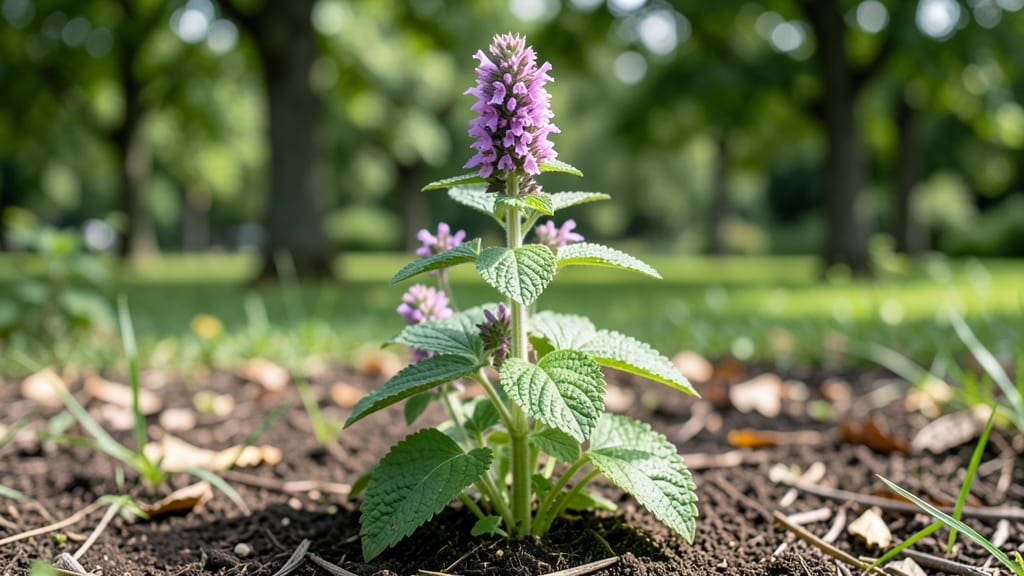
Nettle leaf horsemint isn't just pretty—it's your garden's secret weapon against pests. 🌿 This hardy native plant repels aphids, Japanese beetles, and even mosquitoes, all while attracting pollinators with its fragrant lavender blooms.
I've used it as a natural border in my organic vegetable patch, and the difference in pest pressure is dramatic. The key to success is matching its needs: full sun for at least 6 hours daily, well-draining soil that's slightly alkaline, and water only when the top inch feels dry.
It thrives in zones 4-9, making it adaptable from northern forests to southern gardens. Once established, it spreads easily from root divisions or seeds, though cuttings root fastest if you're starting fresh.
You'll notice the benefits immediately—fewer chewed leaves, more pollinators, and a plant that keeps blooming from midsummer through fall. The leaves make excellent tea too, though I warn you: they're potent! Prune back in early spring to encourage bushier growth and prevent flopping in heavy rains.
Works as a standalone border, interplanted with tomatoes and peppers, or even in containers on patios. The scent alone deters pests, but the real magic happens when you combine it with other pest-repelling herbs like basil and marigolds. Here's how to grow it right from start to finish.
📚 In This Guide
- What you need
- Instructions
- Tips and common mistakes
- Wrapping up and next steps
What you need
- ● Fresh nettle leaves: 1 cup (packed), harvested from organic sources (avoid treated plants). Pro tip: Wear gloves—nettles can sting! 🧤
- ● Fresh horsemint leaves: ½ cup (packed). Look for Monarda punctata or similar varieties for best results.
- ● Water: 2 cups (filtered or distilled for purity).
- ● Spray bottle: 8–16 oz (glass or BPA-free plastic preferred).
- ● Cheesecloth or fine mesh strainer: For filtering the mixture.
- ● Scissors or pruning shears: For harvesting leaves cleanly.
- ○ Mortar and pestle (optional but helpful): Crush leaves for a stronger infusion.
- ● Stovetop or slow cooker: For simmering (if making a concentrated batch).
- ● Funnel: For easy transfer into the spray bottle.
- ● Citrus peels (lemon/orange): 1 tsp (boosts repellent potency and scent).
- ● Garlic or cayenne pepper: ½ tsp (adds extra pest-deterring punch).
- ● Essential oils (neem, peppermint, or lavender): 5–10 drops (enhances effectiveness).
- ● Label maker: To mark your spray bottle with the date and ingredients.
Step-by-Step guide to growing nettle leaf horsemint for pest control
Here's how I grow this powerful companion plant to keep pests at bay naturally.
🌱 Step 1: Choose the Right Location and Prepare the Soil
Nettle leaf horsemint thrives in full sun to partial shade with at least 4-6 hours of direct sunlight daily. I always pick a spot near vegetables it protects—like tomatoes or peppers—since its scent deters pests when they're active. The soil should be well-draining but moisture-retentive; a mix of garden soil and compost works best.
Loosen the top 6 inches of soil to improve root penetration. If your soil is heavy clay, mix in 2-3 inches of compost to lighten it. Horsemint tolerates poor soil better than most herbs, but amending it gives you stronger, more aromatic plants that repel pests more effectively.
🌿 Step 2: Plant Horsemint Seeds or Transplants
Sow seeds ¼ inch deep or plant nursery starts in early spring after the last frost. Space them 12-18 inches apart—this gives them room to spread while still creating a strong pest-deterring barrier. If using seeds, germination takes 14-21 days in warm soil (70-75°F).
Water gently after planting to settle the soil around roots. I like to mulch with 1-2 inches of straw or shredded leaves to retain moisture and suppress weeds. The mulch also helps regulate soil temperature, which is crucial for consistent growth. Avoid overwatering; horsemint dislikes soggy roots.
☀️ Step 3: Maintain Growth for Maximum Pest-Deterring Power
Once established, horsemint needs 1 inch of water per week, either from rain or irrigation. You'll know it's happy when the leaves stay vibrant green and the plant grows steadily. Prune back leggy stems to encourage bushier growth—this increases the plant's surface area and intensifies its pest-repelling scent.
Fertilize lightly in spring with balanced organic fertilizer (10-10-10) to support strong foliage. Too much nitrogen makes the leaves soft and less aromatic, reducing their effectiveness as a natural deterrent. Harvest leaves as needed throughout the growing season to promote continuous growth.
✂️ Step 4: Harvest and Use for Pest Control
Harvest leaves when they're fully developed but before flowering for the strongest pest-repelling properties. I pinch off the top sets of leaves regularly to encourage bushier growth. You can crush fresh leaves and scatter them around vulnerable plants, or dry them for later use in sachets or sprays.
For a simple spray, blend 1 cup chopped horsemint leaves with 1 quart water, strain, and spray on plants. The scent deters aphids, cabbage worms, and even deer. Reapply every 2-3 weeks or after rain to maintain effectiveness. The more you harvest, the more the plant grows—it's a self-sustaining cycle.
Tips & tricks for growing nettle leaf horsemint
Here's what I've learned after growing this hardy herb for years—these tricks will help you get the most out of your pest-repelling plants.
Location Strategy: Place your horsemint near the edges of your garden beds rather than in the center. This creates a natural pest barrier that works best when pests are trying to enter from the perimeter. I've found that positioning it near tomatoes and peppers gives the strongest protection during their most vulnerable growing stages. The 4-6 hours of sunlight requirement is non-negotiable—any less and the pest-repelling oils won't develop properly.
Soil Preparation Secret: The 6-inch soil loosening in Step 1 is crucial for root development, but don't overdo it with compost if your soil is already rich. Too much organic matter can actually dilute the plant's aromatic compounds. I recommend testing your soil first—if it's already well-amended, just loosen it without adding extra compost. The goal is strong roots, not lush foliage at the expense of pest-repelling power.
Germination Hack: For seeds that take 14-21 days to germinate, I've found that soaking them in warm water for 6 hours before planting cuts that time nearly in half. Just place them in a bowl of 75°F water for the recommended time, then plant as directed. This gives you faster establishment and a head start on pest control. The warm water mimics the soil temperature needed for germination.
Harvesting Technique: When harvesting leaves for sprays, focus on the middle leaves rather than the youngest or oldest ones. The middle leaves contain the highest concentration of aromatic oils. I also recommend harvesting in the morning after the dew has dried but before the sun gets too intense—this preserves the oils that make the spray effective. The more frequently you harvest, the bushier the plant grows, creating a self-sustaining cycle of pest protection.
Pro Tips for Nettle Leaf Horsemint
- Here's what I've learned after growing this hardy herb for years—these tricks will help you get the most out of your pest-repelling plants.
- Location Strategy: Place your horsemint near the edges of your garden beds rather than in the center.
- Soil Preparation Secret: The 6-inch soil loosening in Step 1 is crucial for root development, but don't overdo it with compost if your soil is already rich.
Frequently asked questions
How do I grow nettle leaf horsemint for pest control?
Nettle leaf horsemint thrives in full sun to partial shade and well-draining soil. Plant seeds or cuttings in spring or early fall, spacing them 12–18 inches apart. It spreads easily—keep it contained with mulch or barriers if needed. Harvest leaves when mature (4–6 weeks after planting) for the strongest pest-deterring properties.
When is the best time to apply horsemint as a pest repellent?
Use fresh or dried horsemint leaves before pests become a major issue—spring and early summer are ideal. Crush leaves and scatter around garden beds, or brew a tea (1 cup chopped leaves per quart of water) to spray on plants. Reapply every 2–3 weeks or after rain for consistent protection.
What are some alternatives if I can’t grow nettle leaf horsemint?
If horsemint isn’t available, try these equally effective natural repellents:
- Garlic or onion spray: Blend garlic/onion with water, strain, and spray on plants.
- Marigolds: Plant near vulnerable crops—their strong scent deters aphids and nematodes.
- Peppermint or spearmint: Crush leaves and place near garden edges.
- Chamomile tea: Brew strong tea and use as a foliar spray for fungal prevention.
Why isn’t horsemint working against my pest problem?
Horsemint works best for soft-bodied pests like aphids, cabbage worms, and squash bugs. If it’s not effective, check these factors:
- Pests may be resistant—rotate repellents seasonally.
- Leaves might be too old or wilted—harvest fresh foliage.
- Application could be too diluted—use a stronger tea or crush leaves directly onto soil.
- Pests may be underground (e.g., grubs)—combine with nematodes or diatomaceous earth.
Can I use horsemint around edible plants safely?
Yes! Horsemint is non-toxic to humans and pets when used as directed. However, avoid overapplying near mint-sensitive plants (like basil or oregano), as it may stunt their growth. Always test a small area first to monitor reactions.
Wrapping up and next steps
Discovering nettle leaf horsemint as your garden’s natural pest repellent is a game-changer—especially for organic growers! 🌿 This hardy herb isn’t just easy to grow; it’s a powerhouse for keeping aphids, beetles, and even mosquitoes at bay without harsh chemicals.
Whether you’re a seasoned gardener or just starting out, integrating horsemint into your pest-control toolkit is a simple, eco-friendly win.
Ready to take the next step? Start by planting a small patch of horsemint near your vulnerable plants or brewing up a DIY spray—your garden (and the local critters) will thank you! 🌱