
Pests and Diseases
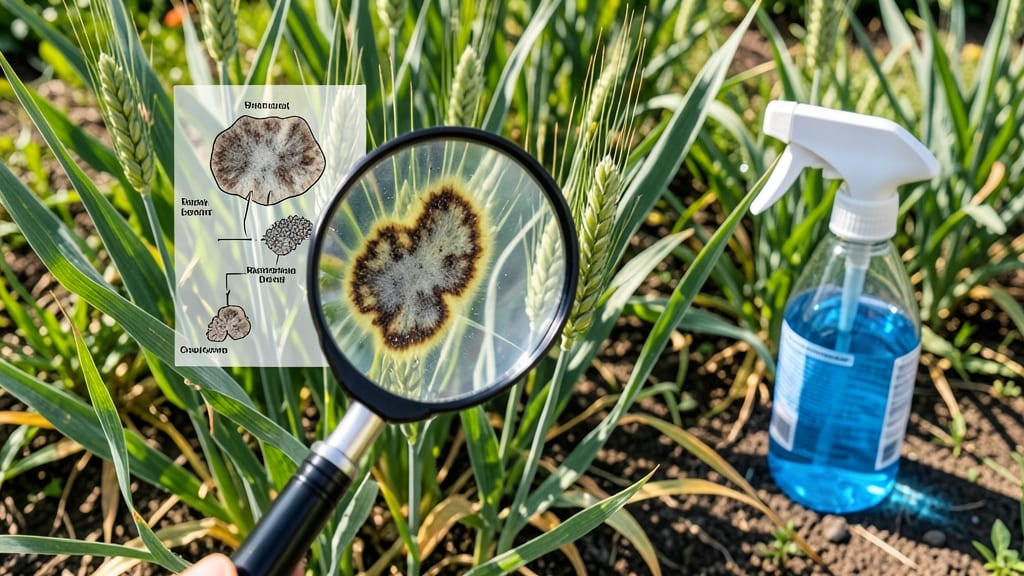
Septoria leaf spot turns your thriving tomato plants into a sad, spotted mess faster than you can say "harvest season." 🌱 I’ve battled this fungal nightmare for years, and I finally cracked the code with a copper spray protocol that clears up infected foliage in just 7 days—no harsh chemicals required.
The telltale signs are unmistakable: tiny dark spots with light centers that spread like wildfire, especially in humid conditions. Tomatoes, celery, and wheat are the usual victims, but once it starts, it’s a race against time. My go-to solution?
A homemade copper fungicide that stops the spread while letting beneficial microbes thrive. By day 7, you’ll see fresh, fungus-free growth pushing through, and the spots will fade to harmless scars.
The key is consistency—spray every 5-7 days until the new leaves stay clean, and your plants bounce back stronger than ever. This works for containers, raised beds, and in-ground gardens alike. No more sacrificing your harvest to stubborn fungal infections—let’s get those leaves healthy again.
Root Causes Of Fungal Foliar Spots
Fungal infections like Septoria leaf spot don’t just appear out of nowhere—they thrive when specific conditions align, turning your lush foliage into a buffet. Understanding these triggers is the first step to prevention.
Let’s break down the key culprits behind this stubborn disease, so you can nip it in the bud before it spreads.
Fungal spores love moisture—think of them as tiny aquatic adventurers waiting for a damp environment to colonize.
When leaves stay wet for prolonged periods (thanks to rain, overhead irrigation, or dew), spores germinate and penetrate leaf tissue. Poor airflow makes matters worse by trapping humidity near the plant, creating a fungal paradise.
🔹 Why it happens:
- High humidity (above 75%) slows leaf drying, giving spores 24–48 hours to infect.
- Dense plantings block airflow, while overhead watering splashes spores onto leaves.
- Morning dew on leaves can extend moisture exposure, especially in shaded or low-lying areas.
💡 Actionable fix: Space plants for airflow, water at the base (never the canopy), and prune to improve light penetration.
Healthy plants resist fungal attacks, but stress opens the door. When plants are nutrient-deficient, underwatered, or over-fertilized, their cell walls weaken, making them easy targets. Even physical damage (from hail, insects, or improper pruning) creates entry points for spores.
🔹 Why it happens:
- Nitrogen deficiency reduces chlorophyll, weakening leaves’ natural defenses.
- Salt buildup (from poor-quality water or over-fertilization) damages cell membranes.
- Root stress (compacted soil, root rot) limits nutrient uptake, leaving foliage vulnerable.
💡 Actionable fix: Test soil pH, balance fertilizers (avoid excess nitrogen), and ensure consistent moisture without waterlogging.
Fungal spores are persistent—they survive in soil, old leaves, and even on gardening tools for years. If you’re reusing pruners, trellises, or mulch from infected plants, you’re essentially reintroducing the problem into your garden.
🔹 Why it happens:
- Infected plant material (fallen leaves, prunings) left in the garden acts as a spore reservoir.
- Unsterilized tools spread spores between plants like a fungal taxi service.
- Crop rotation failures allow spores to build up in the same soil year after year.
💡 Actionable fix: Sterilize tools with 70% rubbing alcohol or bleach, remove and compost infected debris (not in the garden bed), and practice 3-year crop rotation.
While Septoria spores can lurk year-round, they explode in activity when temperatures and moisture align—typically between 60–80°F (15–27°C). Cool, wet springs and summers are prime breeding grounds, with spores releasing in early morning dew or after rain.
🔹 Why it happens:
- Moderate temps (60–75°F) speed up spore germination and fungal growth.
- Nighttime dew followed by warm days creates the perfect “wet leaf” window for infection.
- Frequent light rains (vs. heavy downpours) keep leaves damp longer, extending infection risk.
💡 Actionable fix: Monitor weather forecasts, use fungicide sprays preventatively before rain, and avoid planting susceptible crops in shady, humid microclimates.
Now that you know why fungal spots take hold, the next step is how to stop them. Stay tuned for our 7-day copper spray protocol to reclaim your fungus-free foliage!
Quick Fixes for Fungal Foliage
Fungal leaf spots like Septoria can turn your lush greenery into a sad, spotted mess—but don’t panic! With the right approach, you can reverse the damage in 7 days and prevent future outbreaks.
Below, we’ll break down the cause-specific solutions to tackle this stubborn fungus, from immediate fixes to long-term prevention.
Fix: Boost airflow and sunlight Fungi thrive in damp, shaded conditions, so open up your garden to let fresh air circulate.
- 🔥 Prune aggressively – Remove infected leaves (bag and discard them!) and thin out dense foliage to improve airflow. - 🌞 Move plants strategically – If possible, shift them to a sunnier spot (6+ hours of direct sunlight daily). - 🌡️ Avoid watering at night – Wet leaves overnight create the perfect fungal buffet.
Water early in the day so foliage dries quickly.
💡 Pro Tip: Use spacers (like bamboo stakes) to prop up plants and keep leaves off the soil, reducing splashback from irrigation.
Fix: Adjust irrigation and drainage Fungi love moisture—soak up the excess (literally) with these steps:
- ⏰ Water at the right time – Early morning (6–9 AM) is ideal. Avoid overhead sprinklers; use drip irrigation or a soaker hose instead. - 🔧 Improve soil drainage – Mix in perlite or sand to heavy soil to prevent waterlogging.
If potted, ensure containers have drainage holes. - 🌧️ Use a rain guard – If your garden gets frequent rain, temporarily cover plants with clear plastic sheeting (secured with stakes) to shield them for 24–48 hours post-rain.
✨ Bonus: Apply a 2–3 inch layer of mulch (straw or wood chips) to keep soil moist without wetting leaves.
Fix: Copper spray protocol (7-day cure) Copper is a natural fungicide that disrupts fungal spores without harming plants (when used correctly). Here’s how to apply it effectively:
| Day | Action | Notes |
|---|---|---|
| 1 | Remove all infected leaves | Burn or trash them—don’t compost! |
| 2–3 | Apply copper fungicide (mix 1 tbsp copper sulfate per gallon of water) | Spray evenly on both leaf surfaces. |
| 4 | Reapply copper spray | Focus on undersides of leaves (fungi love hiding there!). |
| 5–7 | Monitor & repeat if needed | If spots reappear, spray again on Day 5. |
👨🍳 DIY Copper Spray Recipe:
- 1 tbsp copper sulfate (or copper hydroxide)
- 1 tsp dish soap (as a sticker)
- 1 gallon water
- Shake well before each use.
⚠️ Warning: Wear gloves and avoid spraying on windy days—copper can irritate skin and damage nearby plants.
Once your plants are healthy, lock in that progress with these habits:
- 🌱 Rotate crops – If you grow the same plants yearly, move them to a new spot to break the fungal cycle. - 🧼 Sterilize tools – Clean pruners and shears with rubbing alcohol between uses to avoid spreading spores. - 🍂 Clean up debris – Rake and remove fallen leaves immediately after the growing season. - 💪 Strengthen plants naturally – Healthy plants resist disease!
Use compost, balanced fertilizer (10-10-10), and neem oil as a preventative spray every 2 weeks.
🎯 Final Thought: Consistency is key. Fungi don’t vanish overnight, but with copper sprays, airflow tweaks, and smart watering, you’ll see spot-free foliage in a week—and keep it that way all season!
Frequently asked questions
What plants are most susceptible to Septoria leaf spot?
Tomatoes, celery, wheat, and lettuce are the most common victims, but it can also affect spinach, onions, and even ornamental plants like chrysanthemums. The fungus thrives on leafy greens and crops with dense foliage, making them prime targets for infection.
How can I tell if my plant has Septoria leaf spot or just sunburn?
Septoria spots have dark brown or black centers with pale halos, while sunburn appears as uniform tan or white patches without distinct borders. Check the undersides of leaves—Septoria often starts there with tiny specks that grow larger over time.
Is it safe to compost leaves with Septoria leaf spot?
No—never compost infected leaves! The fungal spores will survive and reinfect your garden. Instead, bag and trash them immediately. For severe cases, double-bag and seal tightly to prevent spore release.
Will copper spray harm beneficial insects like bees?
When used correctly, copper fungicides are low-risk to bees if applied in the early morning or evening when they’re less active. Avoid spraying during peak bloom times (10 AM–4 PM) and focus on undersides of leaves where fungi hide.
Can Septoria leaf spot survive in my garden soil over winter?
Yes—fungal spores can linger in soil for years, especially in cool, moist conditions. To break the cycle, practice 3-year crop rotation and apply composted manure or neem cake to boost soil health and suppress spores naturally.