
Leaf Blower
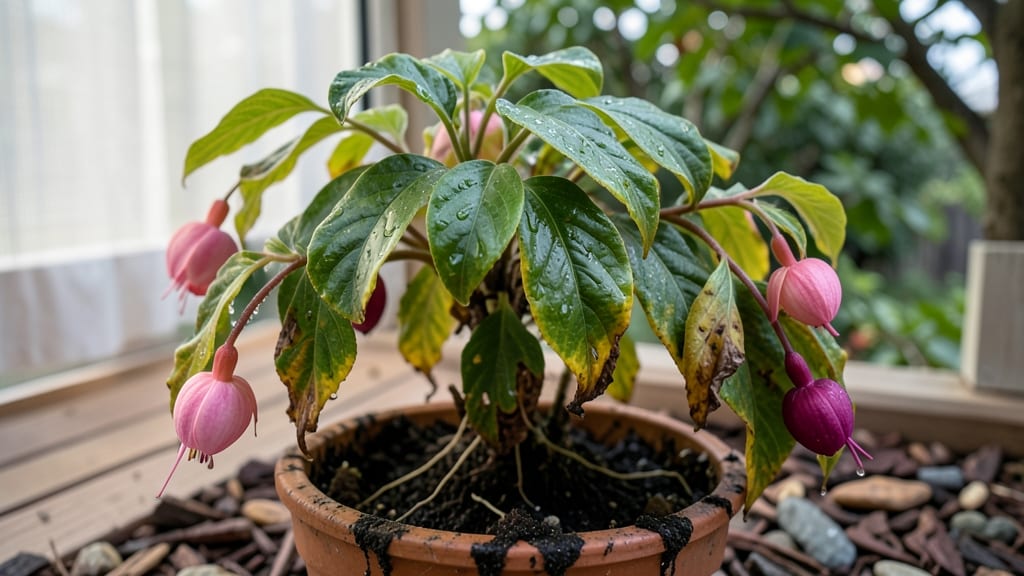
Your fuchsias are drowning in the leaf overwatered fuchsia—yellowing leaves, moldy stems, and that telltale musty smell mean overwatered fuchsia has invited fungal spots to the party. 🌿 I’ve nursed back more than my share of sad, soggy fuchsias, and copper spray is the secret weapon that stops the rot and revives those velvety blooms.
The problem starts with soggy soil and poor drainage, creating the perfect fungal buffet for spots like powdery mildew or leaf spot. Most gardeners overwater because fuchsias look thirsty—wrinkled leaves fool you into drowning them.
The fix? Drainage upgrades, watering only when the top inch feels dry, and cutting back on humidity when spots appear.
Copper spray is your fungal spot eraser: mix 1 teaspoon of copper sulfate per gallon of water, spray the undersides of leaves (where spores hide), and repeat every 7–10 days. Within 2 weeks, you’ll see fresh growth pushing through, and those copper-tinged leaves will toughen up against future outbreaks.
Prevention is easier than cleanup: use well-draining pots, water at the base (not overhead), and deadhead regularly to improve airflow. Even my black-thumbed fuchsias bounce back with this routine—no more wilting sad faces by summer’s end.
Understanding Root Causes
Overwatered fuchsias don’t just happen by accident—they’re often the result of well-intentioned but misguided care. Let’s break down the science behind why your fuchsia’s leaves might be screaming for help due to too much water.
Fuchsias thrive in well-draining soil, but if your mix is too dense (like heavy clay or poorly amended garden soil), water pools around the roots instead of draining away. Over time, this creates a soggy, anaerobic environment that suffocates roots and invites fungal pathogens like Phytophthora or Pythium.
Why it’s dangerous:
- Oxygen deprivation: Roots need air to respire—without it, they weaken and rot.
- Fungal feast: Excess moisture creates the perfect breeding ground for pathogens that cause leaf spots, wilting, and eventual death.
Actionable fix:
- Amend soil with perlite, coarse sand, or orchid bark (20-30% by volume) to improve aeration.
- Test your soil’s drainage: Fill a pot with your mix, add water, and time how long it takes to drain. If it takes more than 10 minutes, it’s too dense.
Fuchsias are tropical plants, but that doesn’t mean they love constant wetness.
Common mistakes include: - Watering on a schedule (e.g., every Tuesday) instead of checking soil moisture. - Ignoring humidity levels—high humidity + overwatering = a fungal cocktail. - Using the "finger test" incorrectly (poking just the top layer instead of 1-2 inches deep).
The science behind it:
- Wilting isn’t always thirst! Overwatered fuchsias may droop because their roots can’t absorb water efficiently (a sign of root rot).
- Leaf yellowing (chlorosis) often starts at the edges—this is a classic symptom of nutrient leaching from waterlogged soil.
Actionable fix:
- Stick your finger 1-2 inches deep—if the soil feels damp, wait. If it’s bone-dry, water thoroughly.
- Water deeply but less frequently—aim for 1-2 times per week (adjust for climate; less in winter).
- Use a moisture meter for precision, especially in containers where soil dries unevenly.
Pots without drainage holes are a ticking time bomb for overwatering. Even if you water lightly, excess moisture has nowhere to go, leading to:
- Root-bound conditions where roots circle the pot and suffocate.
- Salt buildup from evaporated water, which further stresses the plant.
Why it’s a silent killer:
- Fuchsias in saucers (without emptying excess water) are especially vulnerable—saucers trap moisture against the roots.
- Plastic pots retain moisture longer than terracotta, increasing risk.
Actionable fix:
- Repot into containers with drainage holes—no exceptions.
- Use cache pots (decorative outer pots) but always empty saucers after watering.
- Choose breathable materials like terracotta or fabric pots to reduce moisture retention.
Fuchsias are sensitive to temperature extremes and high humidity.
When overwatered in the wrong conditions, they’re more prone to: - Cold stress + wet roots (below 50°F/10°C) → root rot accelerates. - Hot, humid days (above 85°F/29°C) → leaf spots spread faster because fungi thrive in warm, damp air.
The science:
- Transpiration slows in humidity—plants "sweat" less, so excess water lingers in the soil.
- Fungal spores (like those causing Alternaria leaf spot) germinate faster in warm, wet conditions.
Actionable fix:
- Move potted fuchsias to a spot with morning sun and afternoon shade in hot climates.
- Use a fan on humid days to improve air circulation (reduces fungal spores).
- Avoid watering in the evening—wet leaves overnight invite fungal infections.
Fuchsias in root-bound pots or over-packed soil can’t absorb water efficiently, leading to:
- Water pooling around congested roots.
- Reduced oxygen flow to the root zone.
Why it matters:
- Healthy roots = efficient water uptake. Stressed roots can’t regulate moisture, so the plant "drowns" from the inside out.
- Leaf yellowing between veins is a red flag for root suffocation.
Actionable fix:
- Repot every 1-2 years or when roots circle the pot.
- Loosen roots gently during repotting to encourage outward growth.
- Use a slightly larger pot (only 1-2 inches wider) to avoid shocking the plant.
Revive your fuchsia’s health now
Overwatered fuchsias can look sad—droopy, yellowed, or even sporting unsightly fungal spots—but the good news is, they’re often salvageable with the right care. Below are practical, step-by-step solutions tailored to the root cause of your plant’s distress, plus prevention tips to keep your fuchsia thriving.
Let’s turn those wilted leaves into lush, vibrant blooms again!
Cause: Soggy soil cuts off oxygen, leading to root rot and nutrient starvation. Yellow leaves (especially lower ones) are the first sign your fuchsia is drowning.
How to Fix It:
- 🌱 Stop Watering Immediately Let the soil dry out completely before watering again. Stick your finger 1–2 inches into the soil—if it’s damp, wait another day.
- 🧹 Repot in Fresh, Well-Draining Soil Gently remove the plant from its pot and inspect the roots. If they’re black, mushy, or smell foul, trim the rotten parts with sterilized scissors (⏰ Pro tip: Dip tools in rubbing alcohol between cuts).
Repot in a terracotta pot (breathable!) with a mix of: - 50% peat-free potting soil - 30% perlite or pumice (for aeration) - 20% compost or worm castings (for nutrients)
- 💧 Adjust Your Watering Routine Fuchsias hate wet feet. Water only when the top 1–2 inches of soil are dry, and use the "soak-and-dry" method:
- Water deeply until it drains from the bottom.
- Empty the saucer after 10 minutes to prevent pooling.
Cause: Overwatering creates the perfect humid environment for fungal diseases like rust, powdery mildew, or leaf spot. Those ugly brown or black spots? That’s your fuchsia’s SOS signal.
How to Fix It:
- 🌿 Prune the Damaged Leaves Snip off any leaves with spots (don’t compost them—dispose in the trash). This stops the fungus from spreading.
- 💦 Apply a Copper Fungicide Spray Mix 1 tsp baking soda + 1 quart water + a few drops of dish soap (✨ Pro tip: Add 1 tsp copper fungicide if spots persist).
Spray both sides of leaves and the soil surface (keep it 6 inches away to avoid over-wetting). - Schedule: Apply every 7–10 days for 2–3 weeks, or until new growth appears.
- 🌡️ Improve Air Circulation
- Move your fuchsia to a sunnier spot (but avoid scorching afternoon sun).
- Space plants 3–6 inches apart to reduce humidity buildup.
- Use a small fan on low setting near the plant (if indoors) to keep air moving.
Cause: Overwatering + poor drainage = floppy stems and stunted growth. Your fuchsia might also be root-bound or suffering from nutrient deficiency.
How to Fix It:
- 🔪 Root Check & Repotting If roots are circling the pot or packed tightly, loosen them gently before repotting into a slightly larger container (just 1–2 inches wider).
- 🌿 Fertilize Lightly (But Right) Wait 2–3 weeks after repotting before fertilizing. Then, use a balanced liquid fertilizer (10-10-10 or 20-20-20) diluted to half strength.
- Frequency: Every 4–6 weeks during spring/summer. Skip in fall/winter.
- 💡 Boost Humidity (But Smartly) Fuchsias love humidity, but not soggy conditions. Place the pot on a pebble tray with water (ensure the pot isn’t sitting in water) or use a humidifier nearby.
Once your fuchsia is back in shape, lock in its health with these habits:
- 📊 Choose the Right Pot: Always use pots with drainage holes (and a cache pot underneath to catch excess water).
- 🌡️ Monitor Soil Moisture: Invest in a moisture meter or use the finger test (as mentioned above).
- 🌧️ Adjust for Season: Water less in winter (growth slows) and more in summer (but still check soil first!).
- 🍂 Prune Regularly: Trim dead or crowded stems to improve airflow and encourage bushier growth.
- 🚫 Avoid Overcrowding: Fuchsias need space to breathe—don’t plant them too close together.
💡 Quick Fix Recap Table:
| Problem | Solution | Prevention |
|---|---|---|
| Yellow leaves | Repot + dry soil + adjust watering | Use well-draining soil + terracotta pots |
| Fungal spots | Prune + copper spray + airflow | Space plants + avoid overhead watering |
| Droopy/wilting stems | Check roots + fertilize lightly | Repot every 2 years + monitor moisture |
With these steps, your fuchsia should bounce back in 2–4 weeks—just give it time, patience, and the right conditions. And remember: less water is almost always better than too much! 🌿✨
Frequently asked questions
What do overwatered fuchsia leaves look like?
Watch for yellowing leaves (especially lower ones), mushy stems, and black or brown spots on foliage. Overwatered fuchsias often develop a musty smell from root rot, and leaves may wilt despite damp soil. The edges of leaves may also turn brown and crispy from nutrient leaching.
Can I save a fuchsia with root rot?
Yes, but act fast! Remove the plant from its pot and trim away any black, mushy roots with sterilized scissors. Repot in fresh, well-draining soil with perlite and reduce watering immediately. With proper care, healthy roots can regrow in 3-4 weeks, though severely damaged plants may not recover.
How often should I water fuchsias to prevent overwatering?
Water fuchsias only when the top 1-2 inches of soil are completely dry. In summer, this might be 2-3 times per week, while winter watering should be every 10-14 days. Always use pots with drainage holes and empty saucers after watering to prevent soggy roots.
Will copper spray help with overwatered fuchsia spots?
Copper spray prevents fungal diseases that thrive in wet conditions. Mix 1 tsp copper sulfate per gallon of water and spray both leaf surfaces every 7-10 days until new growth appears. For immediate results, combine with pruning affected leaves to stop spread.
Can I use hydrogen peroxide to treat overwatered fuchsias?
Yes, a 3% hydrogen peroxide solution (1 part peroxide to 4 parts water) can help kill fungal spores and promote root health. Water the soil with this mix every 2 weeks while recovering. Just avoid spraying leaves directly, as it can cause burns.