
Leaf Blower
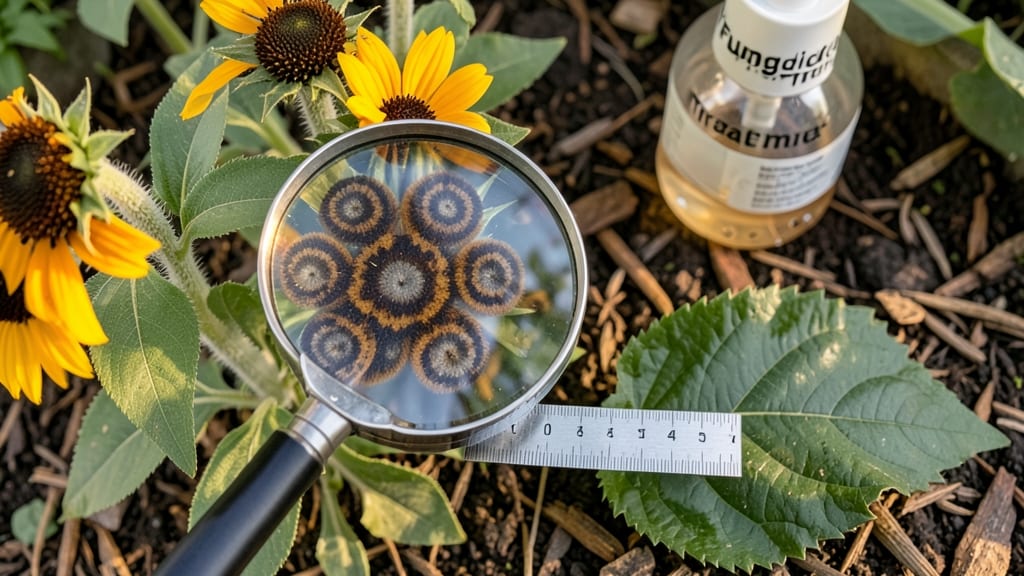
Those black-eyed Susans that should be your garden’s star are turning into a sad, spotted mess. 🌼 The moment you spot tiny dark spots with yellow halos on the leaves, you’ve got septoria leaf spot—and it’s time to act before your plants give up entirely.
This fungal infection thrives in damp conditions, and without intervention, it’ll turn your bold blooms into a defoliated disappointment by midsummer.
The good news? You don’t need a degree in plant pathology to fix this. Copper fungicide sprays—applied at the first sign of trouble—can stop the spread in its tracks.
Pair that with proper spacing (18-24 inches apart) and watering only at the base (never overhead), and you’ll create an environment where septoria can’t take hold. I’ve saved multiple seasons of black-eyed Susans using this exact approach, and the difference between treated and neglected plants is shocking.
By pruning infected leaves and cleaning up debris, you’ll give your plants a fighting chance. Within 2-3 weeks of consistent care, new growth will emerge spot-free, and those cheerful daisy-like blooms will return stronger than ever.
The key is catching it early—once the spots spread to more than 25% of the foliage, recovery gets a lot harder. But with copper sprays and smart maintenance, you’ll have spotless blooms by peak season.
This works for both in-ground and container-grown black-eyed Susans, and the same principles apply to other perennials like coneflowers and sunflowers. The secret? Staying one step ahead of the fungus. Let’s get those plants back to their glory days.
How Fungal Pathogens Invade
Septoria leaf spot isn’t just a random nuisance—it’s the result of a perfect storm of fungal activity, environmental conditions, and plant stress. Understanding the root causes helps you prevent (not just treat) this unsightly disease in your black-eyed Susans.
Let’s break down the science behind why your plants become a buffet for Septoria fungi.
The Septoria fungus thrives in dense foliage because poor air circulation traps moisture. Here’s how it works:
- Poor airflow: When leaves rub against each other, they create microscopic wounds—perfect entry points for spores. Think of it like a crowded subway where germs spread faster.
- Humidity hotspots: Stagnant air holds moisture longer, giving fungal spores 24/7 access to your plants. Even a light morning dew can turn deadly if leaves stay wet for 12+ hours.
- Thick canopies: Black-eyed Susans with bushy growth block sunlight from reaching lower leaves, creating dark, damp conditions that fungi love.
Actionable fix: Prune plants to open them up—aim for 30% more space between stems to improve airflow. 🌬️
The Septoria fungus is a water-loving opportunist. Excess moisture doesn’t just water your plants—it activates spores and gives them a growth boost. Here’s the breakdown:
| Condition | How It Helps Fungi |
|---|---|
| Frequent rain (especially >1 inch/week) | Spores splash from soil to leaves, infecting new tissue. |
| Overwatering (soggy soil) | Encourages root rot, weakening plants and making them vulnerable to secondary infections. |
| Poor drainage (clay soil, no mulch) | Leaves stay wet longer, creating ideal fungal incubators. |
Actionable fix:
- Water deeply but infrequently—aim for 1 inch/week (including rain).
- Use raised beds or containers if your soil drains poorly.
- Mulch with gravel or pine straw (not organic mulch) to reduce soil splash.
Temperature and humidity work together like a dynamic duo for Septoria spread. Here’s the science:
- 60–75°F (ideal range): Fungal spores germinate fastest in this sweet spot—think of it as their happy place.
- High humidity (>75%): Spores survive longer on leaf surfaces, increasing infection rates by up to 400%.
- Nighttime dew: If temps drop but leaves stay damp, fungi metabolize overnight, preparing for dawn attacks.
Actionable fix:
- Choose sunny, well-drained spots for black-eyed Susans (full sun = less fungal time).
- Use fungicide sprays (like copper) at dusk when humidity peaks but temps are still warm.
- ✨ Pro tip: If your area has consistent rain + warmth, opt for disease-resistant varieties like ‘Goldsturm’ or ‘Indian Summer.’
Black-eyed Susans under stress lower their defenses, making them prime candidates for Septoria. Common stressors include:
- Nutrient deficiencies (especially nitrogen or potassium): Weak leaves can’t fight off infections.
- Competition from weeds: Steals water/nutrients, leaving plants starved and susceptible.
- Transplant shock: Newly planted Susans are 3x more likely to get infected in their first month.
- Herbicide drift: Damages foliage, creating entry points for fungi.
Actionable fix:
- Fertilize with a balanced 10-10-10 formula before planting season.
- Mulch 3–4 inches deep to suppress weeds and retain moisture.
- ⏰ Wait 4–6 weeks after transplanting before applying fungicides—let roots establish first!
Now that you know why Septoria leaf spot strikes, the next step is how to stop it. Stay tuned for our copper spray cure guide—the secret weapon for spotless black-eyed Susans! 🛡️🌼
Fixing Fungal Foliage Foes Naturally
Now that you understand why Septoria leaf spot targets your Black Eyed Susans, let’s roll up our sleeves and tackle it head-on with practical, garden-friendly solutions. The key is a multi-pronged approach: treat existing infections, prevent future outbreaks, and boost your plants’ resilience.
Here’s how to turn those unsightly spots into a distant memory.
If you’ve already spotted the telltale dark lesions on your Black Eyed Susans, act fast to contain and eliminate the fungus.
🍳 Copper Fungicide Spray: The First Line of Defense
Copper-based sprays are highly effective against Septoria and safe for most plants when used correctly.
- When to apply: At the first sign of spots, then every 7–10 days until new growth appears healthy (usually 3–4 weeks).
- How to mix: Follow label instructions—typically 1–2 tablespoons of copper fungicide per gallon of water.
Add a drop of dish soap to help it stick to leaves. - Best time to spray: Early morning or late afternoon to avoid burning leaves in direct sunlight.
Avoid spraying when rain is forecasted within 24 hours. - Pro tip: 💡 Rotate with other treatments (like neem oil or baking soda spray) to prevent the fungus from building resistance.
👨🍳 Prune and Remove Infected Leaves
Fungal spores love to hitchhike on dead or diseased plant material. Clean up aggressively! - 🔪 Snip it out: Use sterilized pruners (wipe with rubbing alcohol between cuts) to remove all infected leaves and stems.
Don’t compost them—toss in the trash or burn them. - 🌿 Thin the foliage: Improve airflow by spacing plants 12–18 inches apart and trimming back overcrowded growth. - ⏰ Timing matters: Prune on a dry day when the plant isn’t stressed (avoid midday heat).
🥘 Boost Plant Immunity with Organic Amendments
A healthy plant fights off pathogens better.
Strengthen your Black Eyed Susans with: - 🌱 Compost or worm castings: Work 1–2 inches into the soil around the base to improve nutrient uptake. - 💧 Fish emulsion or seaweed extract: Foliar spray (1:10 dilution) every 2 weeks for a nutrient boost and natural fungicidal properties. - 🌡️ Mulch properly: Apply 2–3 inches of organic mulch (straw or shredded leaves) to keep roots cool and retain moisture—but keep mulch away from stems to prevent rot.
An ounce of prevention is worth a pound of cure. Adjust your gardening habits to starve the fungus and protect next season’s blooms.
✨ Water Wisely: The #1 Prevention Step
Septoria thrives in wet, humid conditions. Adjust your watering routine to dry out leaves faster: - 💦 Water at the base: Use drip irrigation or soaker hoses to avoid wetting foliage.
Aim for deep, infrequent watering (1–1.5 inches per week). - 🌞 Water in the morning: This gives leaves 6–8 hours of sunlight to dry before evening moisture sets in. - 🌧️ Avoid overhead sprinklers: If you must use them, water early and avoid late-day sessions.
🎯 Rotate Plantings and Practice Crop Care
Fungal spores linger in the soil and debris, so disrupt their lifecycle:
- 🌿 Plant in fresh soil: If possible, rotate Black Eyed Susans to a new location every 2–3 years.
- 🧹 Clean up thoroughly: After the growing season, remove all plant debris from the garden bed and sterilize tools with bleach or alcohol.
- 🌱 Choose resistant varieties: While Black Eyed Susans aren’t widely bred for Septoria resistance, healthy, vigorous plants (like ‘Becky’ or ‘Goldsturm’) fight infections better.
🔥 Sanitize Your Tools and Garden Space
Fungal spores hitch rides on tools and even your shoes.
Stay one step ahead: - 🧼 Sterilize pruners: Wipe with 70% rubbing alcohol or a 10% bleach solution between uses. - 👟 Clean garden tools: Spray with vinegar or bleach water and rinse well. - 🏡 Disinfect surfaces: Wipe down pots, trellises, and benches with a bleach solution (1 part bleach to 9 parts water).
If your Black Eyed Susans are severely infected (more than 50% leaf loss) or the fungus keeps returning, consider:
- 💊 Systemic fungicides: Products like Myclobutanil or Propiconazole (follow label rates) can provide longer-lasting protection for stubborn cases.
- 🌱 Replace heavily infected plants: If the plant is beyond saving, pull it up and treat the soil with a fungicide or compost tea before replanting.
Final Thought: 🌟 With consistent care, your Black Eyed Susans can bounce back stronger—and next season, you’ll catch Septoria before it starts. Stay vigilant, keep your garden dry, and let those golden blooms shine!
Frequently asked questions
What do septoria leaf spots look like on black-eyed Susans?
Look for small, dark brown or black spots (about 1/8 inch wide) with yellow halos around them. As the disease progresses, these spots may develop tiny black specks in the center. Infected leaves often turn yellow and drop prematurely, leaving your plants looking sparse and unhealthy.
Can I still harvest flowers from black-eyed Susans with septoria?
Yes, but focus on healthy stems with no visible spots. The fungus primarily affects leaves, not the flowers themselves. Cut blooms early in the morning when they're fully open for the best quality. Just avoid harvesting from heavily infected plants to prevent spreading spores to other areas of your garden.
How often should I apply copper fungicide to prevent recurrence?
Apply copper fungicide every 7-14 days during wet seasons or when you notice new spots appearing. For prevention, 2-3 applications at 10-day intervals in early spring is ideal. Always follow the product label instructions for concentration and safety. Remember to spray in the early morning or late afternoon to avoid leaf burn.
Will septoria leaf spot kill my black-eyed Susans?
While severe infections can weaken plants and reduce flowering, black-eyed Susans are perennial and rarely die from septoria alone. The real danger comes from secondary infections or chronic stress caused by repeated defoliation. With proper care (copper sprays, pruning, and good airflow), your plants will recover and bloom again next season.
Are there any home remedies that work against septoria?
While copper fungicide is most effective, you can try baking soda spray (1 teaspoon baking soda + 1/2 teaspoon dish soap per quart of water) or neem oil (1 tablespoon per quart) as preventive measures. However, these are less effective than copper for active infections. Always test any homemade solution on a small area first to check for plant sensitivity.