
Shrubs
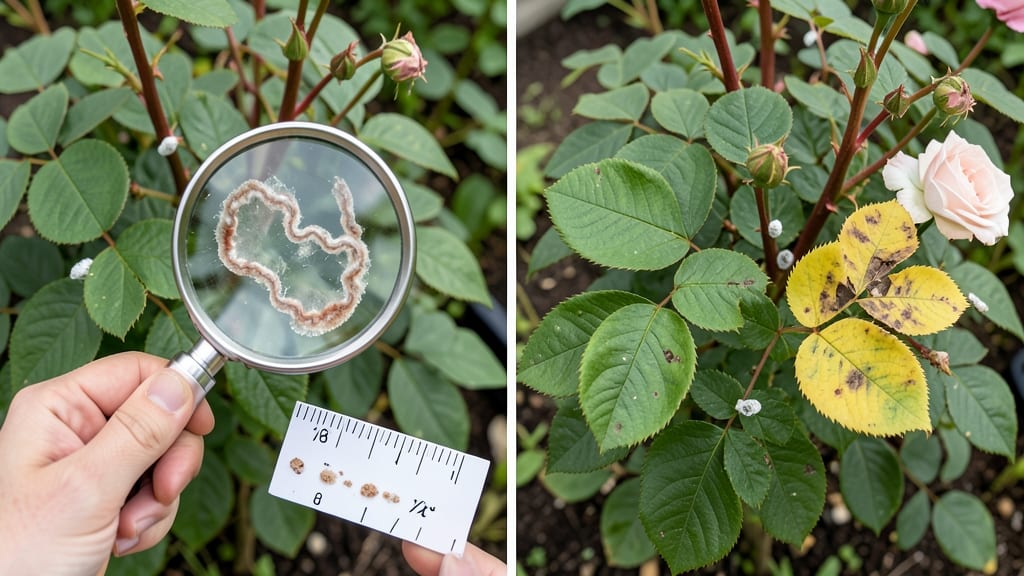
Your roses' leaves are curling into sad, white-blotched messes—and that’s the rose leaf miner’s calling card. 🌿 I’ve battled these tiny pests for years, and the copper spray protocol I’ve perfected stops them dead in their tracks.
It’s not just about saving leaves; it’s about reclaiming your roses’ lush, healthy look by next season.
The problem starts when these larvae burrow into leaves, turning them into skeletonized nightmares. Most gardeners panic and reach for harsh chemicals, but copper spray—when applied correctly—actually prevents fungal spots and deters miners.
The key is timing: spray before new growth appears, and repeat every 2-3 weeks until you’ve seen two full leaf cycles without new damage.
By mid-summer, your roses will be pushing out fresh, vibrant foliage instead of those wilted, blotchy leaves. The spray works on both the miners and any secondary fungal infections, so you’re tackling two problems at once. Plus, it’s safe for bees once fully dry—unlike some chemical alternatives.
This method works for hybrid teas, floribundas, and even climbing roses. The only real requirement is consistency, but the payoff is roses that look like they belong in a show garden, not a pest-infested back corner. Let’s get those leaves healthy again.
Hidden Invaders Behind Leaf Damage
Those serpentine trails and blistering spots on your rose leaves aren’t just random damage—they’re a clear sign of a tiny, relentless pest at work. The rose leaf miner (typically Phytomyza rosae or Phytomyza syngenesiae) is a fly larva that burrows into foliage, leaving behind a trail of destruction.
But why does this happen in the first place? Let’s break down the science behind the infestation and uncover the triggers that turn your roses into a buffet for these pests.
The life cycle of the rose leaf miner starts with the adult fly, a small, grayish-brown insect that resembles a tiny housefly. These flies lay tiny, white eggs on the undersides of rose leaves—often in clusters near leaf veins or along the midrib.
Once hatched, the larvae (the real culprits) tunnel into the leaf tissue, creating the characteristic serpentine mines you see.
Why it happens:
- Timing matters: Adult flies emerge in spring to early summer, synchronizing with new leaf growth. Warm temperatures (around 60–80°F) trigger their activity, making late spring and early summer peak seasons for infestations.
- Leaf preference: Young, tender leaves are ideal for egg-laying because they’re softer and easier to penetrate. Over-fertilized roses with lush, rapid growth attract more flies.
- Moisture and humidity: Flies thrive in humid conditions (60%+ relative humidity), which also slows down natural predators like parasitic wasps.
Actionable insight: If you notice tiny white specks on the undersides of leaves in spring, act fast—those could be eggs about to hatch into larvae.
Healthy roses are resilient, but when they’re stressed or overcrowded, they become prime targets for leaf miners. Stress factors weaken the plant’s defenses, making it easier for flies to lay eggs and for larvae to thrive.
Why it happens:
- Nutrient deficiencies: Roses lacking nitrogen, phosphorus, or micronutrients (like magnesium or iron) produce thinner, weaker leaves that are easier for larvae to mine through.
- Poor air circulation: Dense foliage or overpruning creates a humid microclimate, perfect for fly activity. Without airflow, leaves stay damp longer, encouraging egg-laying.
- Water stress: Underwatering or overwatering both stress roses. Drought-stressed plants may produce harder leaves (which larvae can’t penetrate as easily but attract more flies due to altered chemistry), while waterlogged roots weaken the plant’s immune response.
- Disease presence: Fungal spots (like black spot) or bacterial infections create entry points for larvae, as damaged tissue is easier to invade.
Actionable insight: Prune for airflow, water deeply but infrequently, and test soil pH/nutrients to reduce stress-related vulnerabilities.
The rose leaf miner doesn’t always win—nature has its own pest control system. But when beneficial insects are missing, the miners take over. These predators include parasitic wasps, ladybugs, and lacewings, which prey on leaf miner larvae.
Why it happens:
- Pesticide overuse: Broad-spectrum insecticides (like neonicotinoids or pyrethroids) kill beneficial insects first, leaving no natural checks on leaf miner populations.
- Monoculture gardening: Planting only roses (or too many of the same plants) reduces biodiversity, which disrupts the food web that keeps miners in balance.
- Seasonal timing: Beneficial insects may not arrive in early spring when leaf miners first emerge, giving the larvae a head start.
- Urban or suburban gardens: These areas often have fewer wild predator habitats (like hedgerows or native plants) compared to rural or organic gardens.
Actionable insight: Encourage biodiversity with companion plants (like dill, fennel, or marigolds) and avoid harsh chemicals to preserve natural pest control.
Leaf miners don’t just appear randomly—they’re highly responsive to weather patterns. Certain conditions create the perfect storm for an infestation.
Why it happens:
- Warm, wet springs: Temperatures between 65–75°F with frequent rain accelerate fly activity. Rain also washes away natural predators and keeps leaves damp, ideal for egg-laying.
- Mild winters: In regions with little freezing, adult flies may survive the winter in leaf litter or soil, leading to earlier spring outbreaks.
- Sudden heatwaves: A hot, dry spell can stress roses, making them more susceptible to mining as they produce thinner, more vulnerable leaves.
- High humidity at night: Leaf miners are most active at dawn and dusk, when humidity is high—this slows down larval predators and encourages egg-laying.
Actionable insight: Monitor weather forecasts and time interventions (like copper sprays) for periods of warm, wet conditions when flies are most active.
Understanding these triggers is the first step to preventing (not just treating) leaf miner damage. The next section will cover how to disrupt their life cycle before they turn your roses into a skeleton of veins and mines.
Quick Fixes for Leaf Damage
If your roses are showing signs of leaf miner damage—think serpentine tunnels, wilting leaves, or premature shedding—don’t panic. These pests may be small, but they’re beatable with the right approach. Below, we’ve mapped out targeted solutions based on the root cause of the problem, from organic fixes to proactive prevention.
Follow these steps to restore your roses to their former glory.
Catching the issue early is your best defense. If you spot:
- Blister-like bumps on leaves (early larvae stage)
- Thin, brown trails inside leaves (larvae feeding)
- Premature leaf drop or stunted growth
Act fast—these are red flags that larvae are already at work. Isolate affected plants immediately to prevent cross-contamination to healthy roses.
For a chemical-free approach, these sprays disrupt the leaf miner’s life cycle without harming your plants (or the planet).
👨🍳 Homemade Neem Oil Spray (Best for Larvae & Eggs)
Why it works: Neem oil smothers eggs and disrupts larval feeding. It’s also a natural fungicide if fungal spots are present.
- Mix: 1 tbsp neem oil + 1 tsp mild dish soap (as an emulsifier) + 1 quart of water.
- Shake well and transfer to a spray bottle.
- Spray the undersides of leaves (where eggs and larvae hide) and stems. Reapply every 7–10 days until new growth appears.
Pro tip: 🌡️ Apply in the early morning or evening to avoid burning leaves in direct sunlight.
🥘 Beneficial Nematodes (For Soil-Dwelling Pupae)
Why it works: Microscopic nematodes (like Steinernema carpocapsae) seek out and kill leaf miner pupae in the soil.
- Purchase beneficial nematodes from garden centers (look for Heterorhabditis bacteriophora or Steinernema species).
- Mix with cool, dechlorinated water (let tap water sit for 24 hours or use distilled water).
- Water the soil thoroughly the day before application.
- Apply nematodes at dusk using a watering can with a fine rose attachment. Aim for the root zone.
- Keep soil moist for 7–10 days post-application to help nematodes survive.
Pro tip: ✨ Nematodes are temperature-sensitive—avoid applying if soil temps exceed 85°F (29°C).
Since your article focuses on copper spray for fungal eradication, this protocol doubles as a leaf miner deterrent. Copper disrupts the pest’s feeding cycle while preventing secondary fungal infections.
⏰ Step-by-Step Copper Spray Application
- Choose the right copper product:
- Liquid copper fungicide (e.g., Copper Sulfate or Copper Octanoate)
- Follow label instructions for dilution (typically 1–2 tbsp per gallon of water).
- Apply on a calm day: Early morning or late afternoon to avoid leaf burn.
- Spray thoroughly:
- Focus on leaf undersides, buds, and new growth.
- Cover the soil around the base to target pupae.
- Reapply every 7–14 days or after rain (copper washes off).
Pro tip: 💡 Mix 1 tsp baking soda per gallon of copper spray to boost fungicidal effects (but test on a small leaf first to check for sensitivity).
Once you’ve treated the infestation, shift to preventive care to avoid future outbreaks.
🔍 Regular Inspections
Check leaves weekly during growing season (spring–fall). Flip leaves over—larvae hide on the undersides.
🍂 Prune Strategically
Remove and destroy (don’t compost!) heavily infested leaves. Prune in late winter to reduce hiding spots for overwintering pupae.
🌿 Companion Planting
Plant garlic, chives, or marigolds near roses—their strong scents repel leaf miners naturally.
🌡️ Soil & Water Management
- Avoid overwatering: Leaf miners thrive in damp conditions. Water at the base of plants, not overhead.
- Improve drainage: Amend soil with compost to reduce fungal spots that attract secondary pests.
🎯 Seasonal Barriers
In early spring, wrap the base of rose canes with floating row covers or fine mesh to block adult flies from laying eggs.
With these targeted fixes, your roses should bounce back in 4–6 weeks. Consistency is key—leaf miners are persistent, but you’ve got the tools to outsmart them! 🌹
Frequently asked questions
How do I tell if my rose leaves have leaf miners vs. black spot fungus?
Leaf miners create serpentine trails inside leaves (like tiny tunnels), while black spot shows as dark, circular spots with yellow halos. Flip leaves over—miners hide eggs/larvae on undersides, while black spot appears on both sides. Miner damage looks like "skeletonized" leaves.
Can copper spray harm my roses if I use it too often?
Copper is safe when used as directed, but apply no more than every 7–14 days to avoid leaf burn. Always spray in early morning/evening and test a small leaf first. Overuse can cause copper toxicity in soil—rotate with neem oil or nematodes for long-term care.
Will removing infested leaves stop the problem?
Pruning helps, but it’s not enough alone—larvae pupate in soil! Remove heavily damaged leaves (don’t compost them) and combine with copper spray or nematodes to break the life cycle. Focus on new growth where flies lay eggs.
Are there any rose varieties resistant to leaf miners?
No roses are completely resistant, but some hybrids (like Knock Out® roses) show better tolerance due to thicker leaves. For extra protection, grow companion plants like marigolds or garlic—their scents deter flies naturally.
How long until I see results after treating?
With consistent copper sprays, you’ll see improvement in 4–6 weeks as new, healthy leaves emerge. Monitor weekly—stop treatments after 2 full leaf cycles without new damage. Patience is key; miners take time to fully exit the life cycle.