
Pests and Diseases
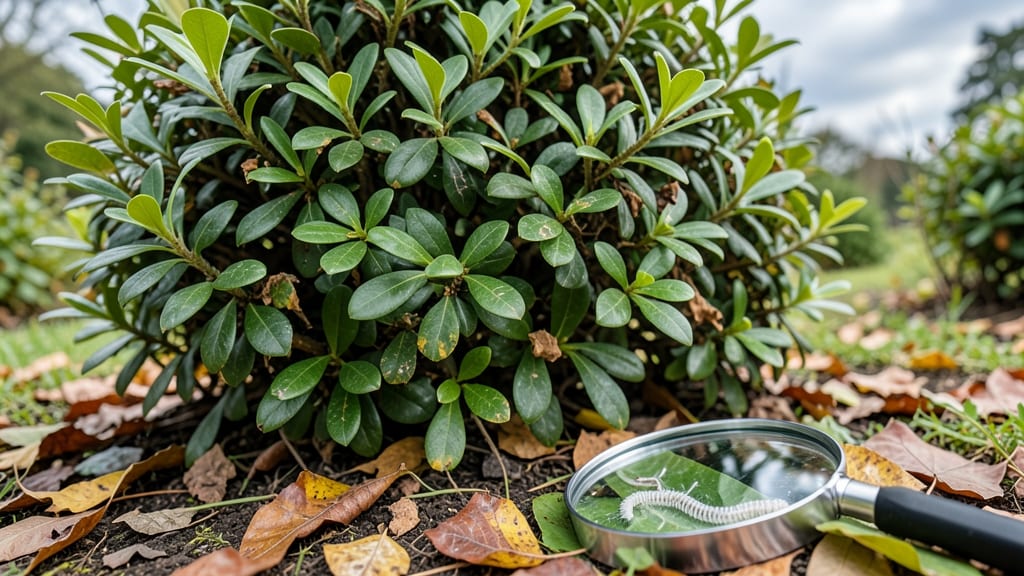
Your boxwoods' once-pristine leaves now look like they've been attacked by tiny miners—because they have. 🌿 Boxwood leaf miner damage turns foliage into a skeleton of brown blotches and squiggly mines, but there's a way to fight back before the damage spreads.
Copper spray isn't just a last resort; it's the secret weapon for stopping fungal spot outbreaks that follow miner infestations.
The first step is identifying the damage: look for serpentine mines inside leaves and the telltale frass (insect poop) trails. Most gardeners wait too long, but early intervention with copper spray can save your shrubs.
You'll need a copper fungicide, pruning shears, and a clean sprayer—no fancy equipment, just precision. The key is timing: apply spray at the first sign of damage, before fungal spots take hold.
After treatment, your boxwoods should start recovering within 2-3 weeks, with new growth free of mines. The copper spray disrupts the miner's life cycle while preventing secondary fungal infections. Prune out heavily damaged leaves immediately to stop the cycle, and consider adding beneficial nematodes next season for long-term protection.
This protocol works for both organic and conventional gardeners, though organic versions require more frequent applications. The payoff? Boxwoods that stay lush, green, and free of the unsightly damage that makes them look like they've been through a war. Let's get those shrubs back to their best.
📚 In This Guide
- What you need
- Instructions
- Tips and common mistakes
- Wrapping up and next steps
What you need
- ● Copper-based fungicide: Choose a fixed copper or hydrated lime copper product (e.g., Copper Sulfate Pentahydrate or Bordeaux Mixture). Quantity: 1–2 lbs per 10 gallons of water (adjust based on plant size).
- ● Spraying equipment: Hose-end sprayer OR backpack sprayer (5–10 gallon capacity).
- ● Fine-mist nozzle (e.g., 8002E or 8004E for even coverage).
- ● Protective gear: Nitrile gloves (waterproof, 1 pair).
- ● Long-sleeved shirt and pants (to avoid skin contact).
- ● Safety goggles (for eye protection).
- ● Clean water: 10 gallons (dechlorinated if possible; let tap water sit for 24 hours or use rainwater).
- ● Measuring tools: Measuring cup or scale (for precise copper dosage).
- ○ pH test strips (optional but helpful; ideal pH: 5.0–7.0).
- ● Pruning tools: Sterilized pruners (1 pair) for removing severely damaged leaves.
- ● Disinfectant (e.g., 70% isopropyl alcohol) to clean tools before/after use.
- ● Surfactant: Add 1 tsp of horticultural oil or liquid soap per gallon to improve spray adhesion (helps in humid conditions).
- ● Staking or support: If treating large boxwoods, use stakes to prop open branches for better coverage.
- ● Weather monitor: Check a 5-day forecast to avoid spraying within 24 hours of rain.
- ● Label maker: Mark spray dates on a plant tag to track treatments.
Step-by-Step guide to treating boxwood leaf miner damage
Here's how I tackle this stubborn pest—without harsh chemicals—using copper sprays and smart timing.
🌿 Step 1: Inspect and Prune Damaged Foliage
Start by examining your boxwoods closely for the telltale signs: pale, serpentine trails on leaves and tiny white larvae. Use sharp pruning shears to remove all heavily infested leaves—especially the ones with visible mines or browned edges. I always prune in the early morning when the air is still to reduce stress on the plant.
Focus on the newest growth first, as leaf miners target tender leaves. Discard pruned material immediately in a sealed plastic bag—never compost infested leaves. You'll notice a dramatic difference in the plant's overall health after removing the worst damage, and it gives the copper spray better access to the remaining foliage.
💧 Step 2: Apply Copper Fungicide Spray
Mix copper fungicide according to package instructions—typically 1 tablespoon per gallon of water. I use a horticultural-grade copper sulfate because it's effective against both leaf miners and the secondary fungal spots they invite. Shake well before applying and wear gloves to protect your skin.
Spray thoroughly until the leaves are glistening wet, paying special attention to the undersides where leaf miners lay their eggs. Apply in the late afternoon when temperatures are below 85°F to prevent leaf burn. The copper works by creating a protective barrier that disrupts the miners' life cycle while also preventing fungal growth.
⏰ Step 3: Schedule Follow-Up Treatments
Repeat the copper spray application every 7-10 days for a total of 3-4 treatments. This consistent schedule breaks the leaf miner's life cycle before new larvae emerge. I mark my calendar with reminders because missing a treatment window means the miners get a second chance to infest.
After the final treatment, monitor your boxwoods for new signs of damage. If you see fresh mines appearing, extend the treatment schedule by another week. Healthy boxwoods will show new growth within 4-6 weeks—look for fresh, vibrant leaves pushing out from the stems as a sign the treatments are working.
☀️ Step 4: Support Plant Recovery with Proper Care
While treating the leaf miners, give your boxwoods extra care to help them recover. Water deeply once a week during dry spells, keeping the soil consistently moist but never soggy. I use a soaker hose to deliver water at the base without wetting the foliage, which helps prevent fungal spread.
Boxwoods need morning sun to partial shade—avoid harsh afternoon sun during recovery. If your plants are looking stressed, consider applying a balanced fertilizer (like 10-10-10) at half-strength in early spring to boost their resilience. You'll know they're healing when you see new, dark green growth emerging from the tips.
Tips & tricks for treating boxwood leaf miner damage
Here's what nobody tells you about getting the best results with this copper spray method.
Timing is Everything: The early morning pruning in Step 1 reduces plant stress because the air is cooler and more humid, which helps the boxwood recover faster. I've found that pruning at this time also minimizes the risk of spreading any remaining larvae to healthy leaves through wind or handling. For best results, complete all pruning before 9 AM.
Copper Application Technique: When applying the copper fungicide in Step 2, use a handheld sprayer with a fine mist setting to ensure complete coverage of both leaf surfaces. I like to work in sections, starting from the bottom of the plant and moving upward. This prevents drips from running off untreated areas. Remember, the undersides of leaves are where leaf miners lay their eggs—don't skip them!
Temperature Matters: The 85°F temperature limit in Step 2 is crucial for preventing leaf burn from the copper solution. If your afternoon temperatures consistently exceed this, consider applying the spray in the early morning instead. I've also noticed that cloudy days with lower temperatures allow for safer application times, especially in hot climates.
Monitoring and Maintenance: After completing the 3-4 treatments in Step 3, continue inspecting your boxwoods weekly for new signs of damage. I keep a small notebook by my gardening tools to track treatment dates and any new infestations. This helps me adjust the schedule if needed—sometimes extending by another week makes all the difference in breaking the leaf miner's life cycle completely.
Pro Tips for Boxwood Leaf Miner Damage
- Here's what nobody tells you about getting the best results with this copper spray method.
- Timing is Everything: The early morning pruning in Step 1 reduces plant stress because the air is cooler and more humid, which helps the boxwood recover faster.
- Copper Application Technique: When applying the copper fungicide in Step 2, use a handheld sprayer with a fine mist setting to ensure complete coverage of both leaf surfaces.
Frequently asked questions
What are the first signs of boxwood leaf miner damage?
The earliest signs include blotchy, brown or yellow patches on the upper leaf surface, often with tiny serpentine mines (larval tunnels) visible when held up to light. Later, leaves may curl, brown, and drop prematurely. Check the undersides of leaves for tiny white larvae or pupae.
When is the best time to treat boxwood leaf miners?
Act early—apply copper spray before you see major damage, ideally in late winter or early spring (March–April) when adults emerge. Repeat treatments every 2–3 weeks until mid-summer. Fall treatments can also help reduce overwintering larvae.
Are there organic alternatives to copper spray for boxwood leaf miners?
Yes! Try neem oil, kaolin clay, or horticultural oil as preventive barriers. Beneficial nematodes (like Steinernema carpocapsae) can target larvae in the soil. Prune and destroy heavily infested foliage to break the life cycle.
Why does copper spray sometimes fail to stop leaf miner damage?
Copper works best when applied consistently and correctly. Common failures include:
- Skipping coverage—ensure undersides of leaves are sprayed.
- Dilution errors—follow label rates (typically 1–2 tbsp per gallon).
- Late treatment—larvae burrow deep into leaves by summer.
- Weather interference—rain washes off copper; reapply after heavy rain.
Can boxwoods recover from severe leaf miner damage?
With prompt action, boxwoods often bounce back! Prune dead branches in late winter, fertilize lightly (high-nitrogen), and water deeply to support regrowth. Young plants may recover faster than mature ones. If damage is extreme, consider replacing heavily infested shrubs.
Wrapping up and next steps
Boxwood leaf miner damage can be frustrating, but with the right copper spray protocol and proactive care, your shrubs can recover beautifully! 🌿 By following these steps—from early detection to proper application—you’ll not only combat fungal spots but also strengthen your plants’ resilience. Don’t wait until next season—take action now to protect your landscape investment.
Next step: Gather your supplies, schedule your first treatment, and monitor your boxwoods closely. With consistency, you’ll see healthier foliage and fewer pests in no time! 🚀