
Pests and Diseases
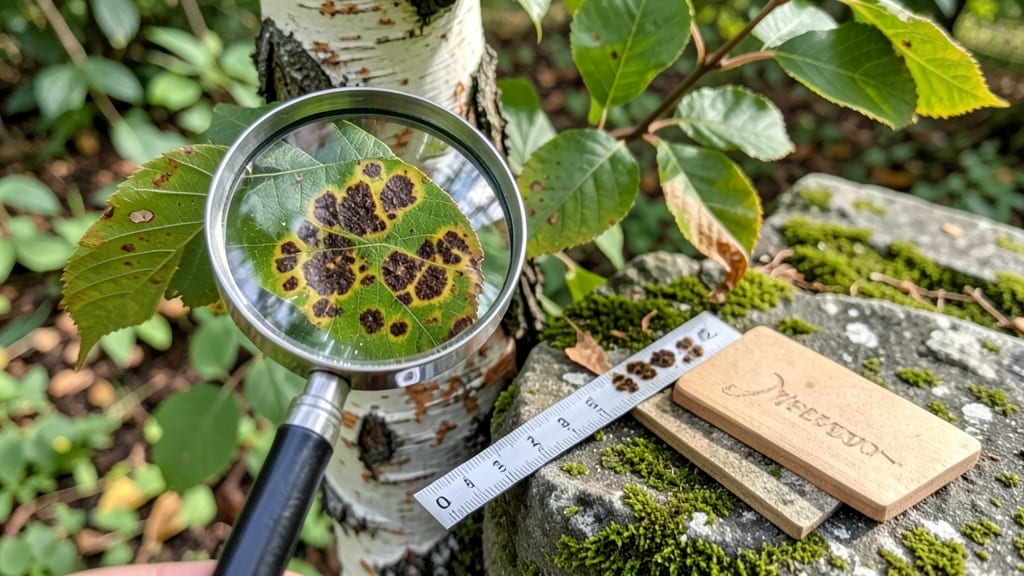
That crispy brown edge on your river birch leaves isn’t just unsightly—it’s a cry for help. 🌿 I’ve seen these river birch leaf disease pictures turn vibrant trees into sad, brittle skeletons, but early action can save them.
The first step is spotting the exact issue: fungal spots, environmental stress, or something else entirely. Most crispy edges come from fungal infections like birch leaf spot or environmental factors like drought or winter burn. The good news?
Once you identify the cause, fixing it is straightforward—pruning, proper watering, and sometimes a simple spray. You’ll know you’re on the right track when new leaves emerge smooth and green.
By the end of this guide, you’ll recognize the early signs, know exactly how to treat them, and stop the spread before it becomes permanent. The key is acting fast—before the disease moves from leaves to branches.
Whether you’re dealing with a single tree or a whole grove, these solutions work for any size. Let’s get your river birch looking healthy again!
Understanding Root Causes
River birch trees (Betula nigra) are prized for their peeling bark and lush foliage, but their leaves can develop unsightly diseases—often marked by crispy, brown edges or discolored patches.
Before treating the symptoms, it’s crucial to diagnose the why behind them. Below, we break down the most common culprits, backed by science, so you can take targeted action.
When river birch leaves show signs of distress, environmental conditions are often the primary offenders. These trees thrive in moist, well-drained soils and partial shade, but push them beyond their comfort zone, and the leaves react with visible damage.
❄️ Extreme Temperature Swings
River birches are somewhat cold-hardy (USDA Zones 4–9), but rapid temperature fluctuations—especially late frosts followed by warm spells—can shock the tree.
Here’s how it happens: - Cold damage: Freezing temps (<20°F) can rupture leaf cell membranes, causing brown, crispy edges (a condition called winter burn). - Heat stress: Prolonged heatwaves (>90°F) combined with low humidity lead to scorching, where leaf edges dry out and curl. - Solution: Mulch the root zone with 3–4 inches of organic mulch (wood chips or pine straw) to insulate roots.
Avoid late-season fertilizing, which can encourage tender new growth vulnerable to frost.
💧 Water-Related Issues
Too much or too little water stresses birch trees, making them susceptible to disease and leaf damage.
| Problem | Symptoms | Fix |
|---|---|---|
| Overwatering | Yellowing leaves, soggy soil, fungal growth | Improve drainage with sand or gravel; avoid waterlogging. |
| Underwatering | Wilting, crispy edges, dry soil | Water deeply 1–2x per week (1–1.5 inches total) during dry spells. |
| Transplant Shock | Leaf scorch, stunted growth | Keep soil consistently moist for 6–12 months post-planting. |
Pro Tip 💡: Birches hate "wet feet." If your soil drains poorly, consider raising the root zone with a mound of amended soil.
Fungi and bacteria are the silent saboteurs of river birch health. These pathogens exploit stressed trees, leading to leaf spots, blights, and edge browning.
🍄 Anthracnose: The Leaf Spot King
- Cause: Apiognomonia veneta fungus thrives in cool, wet springs (50–70°F).
- Symptoms:
- Dark, irregular spots with yellow halos on leaves.
- Premature leaf drop.
- Crispy edges if severe.
- Why it happens: Fungal spores splash onto leaves from infected debris or soil.
Overhead watering spreads spores like wildfire. - Solution: - Remove and destroy fallen leaves in autumn. - Apply copper fungicide (e.g., Bordeaux mixture) in early spring before buds swell. - Space trees for better airflow (15–20 feet apart).
🦠 Bacterial Leaf Scorch
- Cause: Xylella fastidiosa bacteria clogs the tree’s water-conducting vessels (xylem).
- Symptoms:
- Marginal browning (edges turn crispy and dry).
- Wilting even when soil is moist.
- Symptoms worsen in hot, dry weather.
- Why it happens: Spread by spittlebugs or contaminated pruning tools.
Weakened trees (from drought or poor soil) are prime targets. - Solution: - Prune in winter (when bacteria are dormant) and sterilize tools with 70% rubbing alcohol. - Install drip irrigation to reduce stress. - No chemical cure exists—focus on prevention and supporting tree health.
🍂 Birch Leaf Blight (Septoria Leaf Spot)
- Cause: Septoria betulae fungus, common in humid climates.
- Symptoms:
- Tiny black spots with gray centers on leaves.
- Leaves may develop brown, papery edges as they die.
- Why it happens: Fungal spores overwinter in debris and erupt when conditions are wet and warm (60–80°F).
- Solution:
- Rake and dispose of leaves in fall.
- Apply fungicide with chlorothalonil at bud break and again 4–6 weeks later.
Pests don’t directly cause leaf diseases, but their feeding damage stresses the tree, making it vulnerable to pathogens. Common culprits include:
🐜 Birch Leafminers
- Damage: Larvae tunnel between leaf layers, causing blotchy, brown patches that dry out.
- Why it happens: Adult flies lay eggs in spring; larvae feed for 6–8 weeks, weakening the leaf’s ability to photosynthesize.
- Solution:
- Handpick heavily infested leaves and drop them in soapy water.
- Apply neem oil or insecticidal soap in early summer (when larvae are active).
🐛 Scale Insects and Aphids
- Damage: These sap-suckers excrete honeydew, a sticky substance that fosters sooty mold (a black fungal growth).
Sooty mold blocks sunlight, causing leaves to yellow and crisp at edges. - Why it happens: Aphids thrive in new growth and crowded conditions. - Solution: - Blast off pests with a strong hose spray in early spring. - Use horticultural oil (dormant season) or insecticidal soap (active season).
Healthy soil = healthy leaves. If your river birch is struggling, nutrient deficiencies or toxicities could be the hidden cause.
🔥 Magnesium Deficiency (Interveinal Chlorosis)
- Symptoms:
- Yellowing between leaf veins (while veins stay green).
- Crispy edges if severe.
- Why it happens: Magnesium is mobile in the tree, so symptoms appear in older leaves first.
Compacted or acidic soils (pH <5.5) lock out magnesium. - Fix: - Apply Epsom salt (magnesium sulfate): Mix 1 tbsp per gallon of water and spray leaves monthly. - Test soil pH and amend with lime if needed (aim for pH 6.0–7.0).
💀 Potassium Deficiency (Brown Leaf Edges)
- Symptoms:
- Scorched, brown edges on older leaves.
- Weak stems, poor cold hardiness.
- Why it happens: Potassium regulates water and disease resistance. Over-fertilizing with nitrogen (without potassium) throws the balance off.
- Fix:
- Use a balanced fertilizer (10-10-10 or 5-10-10) in early spring.
- Add wood ash (sparingly) for potassium.
🚫 Soil Compaction and Root Stress
- Why it happens: Compacted soil restricts root growth, limiting the tree’s ability to absorb water and nutrients.
Roots suffocate, leading to leaf scorch. - Fix: - Aerate the soil with a garden fork in early spring. - Top-dress with compost to improve structure.
Even with ideal conditions, human errors can trigger leaf diseases. Watch for these common blunders:
🔪 Improper Pruning
- Problem: Cutting at the wrong time (late summer/fall) or using dull tools creates wounds that invite fungi.
- Fix:
- Prune in late winter/early spring (dormant season).
- Sterilize shears with rubbing alcohol between cuts.
🌳 Overcrowding
- Problem: Birches need air circulation. Crowded trees trap moisture, promoting fungal spores.
- Fix:
- Thin out nearby trees/shrubs to 15–20 feet of clearance.
- Avoid planting birches under dense canopies.
🚫 Ignoring
Practical fixes for birch leaf issues
Reviving your river birch’s health starts with pinpointing the root cause—whether it’s fungal infections, environmental stress, or pest damage—and taking targeted action. Below, we’ve mapped out easy, step-by-step solutions for each common issue, plus prevention tips to keep your tree thriving long-term.
Think of this as your birch’s emergency repair kit!
Cause: Dark, crispy spots with yellow halos? Fungal spores thrive in wet, humid conditions. Solution:
- Prune Infected Branches 🔪
- Use sterilized pruners (wipe with rubbing alcohol) to cut off branches with 50%+ leaf damage.
- Dispose of clippings in the trash (not compost)—fungi can survive there!
- Apply Fungicide 💊
- Spray with a copper-based fungicide (like CuPro or Bonide Copper Fungicide) every 2–3 weeks during wet seasons (spring/fall).
- For organic options, try neem oil spray (1 tsp neem oil + 1 quart water + a drop of dish soap).
- Improve Airflow 🌬️
- Thin out dense branches to reduce humidity buildup.
- Avoid overhead watering—use drip irrigation or water at the base.
💡 Pro Tip: Water in the early morning so leaves dry quickly, making it harder for fungi to spread.
Cause: Leaf edges turning brown and brittle? Too much sun or drought stress. Solution:
- Provide Shade 🏖️
- If your birch is in a full-sun spot, add light shade cloth (30–50% coverage) during peak afternoon heat (1–4 PM).
- Mature birches can handle sun better—focus on young trees or newly planted ones.
- Deep Watering 💦
- Water slowly and deeply (1–2 inches per week) to encourage deep root growth.
- Mulch heavily (3–4 inches of wood chips) to retain moisture and protect roots.
- Adjust Fertilizer 🌿
- Over-fertilizing can stress trees. Use a balanced, slow-release fertilizer (like 10-10-10) in early spring—avoid late summer applications.
✨ Bonus: If your birch is in a windy area, consider windbreaks (like a tall hedge or lattice fence) to reduce stress.
Cause: Sticky leaves, tiny webs, or holes? Pests suck sap, causing leaf edges to crisp. Solution:
- Blast Off Pests 💦🔥
- Strong water spray: Use a hose nozzle to blast pests off leaves (do this in the early morning).
- Insecticidal soap: Mix 2.5 tbsp mild soap + 1 gallon water and spray every 5–7 days for 2 weeks.
- Introduce Predators 🐞
- Ladybugs and lacewings eat aphids naturally. Buy them online or attract them with dill or fennel plants nearby.
- Prevent Future Infestations 🛡️
- Remove debris (fallen leaves, old mulch) where pests hide.
- Avoid broad-spectrum pesticides—they kill beneficial insects too!
🌡️ Heatwave Hack: If pests surge in summer, shade cloth (like above) also reduces their activity.
Cause: Dry, brittle leaves with brown edges? Lack of water or poor soil. Solution:
- Soak the Roots 💧
- Deep watering: Insert a soaker hose 12 inches into the soil and let it run for 1–2 hours.
- Repeat weekly until leaves soften (usually 2–3 weeks).
- Aerate Compacted Soil 🏗️
- Use a garden fork to poke holes around the root zone (6–12 inches deep) to improve drainage.
- Amend Soil 🌱
- Mix in compost or peat moss to retain moisture. For sandy soil, add hydration crystals (like Soil Moist).
🎯 Long-Term Fix: Plant birches in well-draining, slightly acidic soil (pH 4.5–6.0) and group them with moisture-loving plants (like azaleas or rhododendrons).
- Spring: Prune dead branches, apply fungicide, and mulch.
- Summer: Water deeply once a week (more in heatwaves), monitor for pests.
- Fall: Rake up fallen leaves (fungus risk!), fertilize lightly.
- Winter: Protect young trees with burlap wraps if frost is severe.
Final Thought: Most birch leaf issues are fixable with quick action! Start with the cause that matches your tree’s symptoms, and don’t forget—consistency is key. A little TLC now means lush, disease-free leaves next season. 🌿✨
Frequently asked questions
What do river birch leaf disease pictures typically show?
Common river birch leaf disease pictures reveal brown crispy edges, dark spots with yellow halos (fungal infections), or marginal scorching. You’ll often see premature leaf drop, black fungal speckles, or papery, brittle leaves. Anthracnose shows irregular brown patches, while bacterial scorch creates uniform brown edges that dry out.
How can I tell if my birch’s crispy edges are from disease or environmental stress?
Check the pattern: Disease causes spots, blotches, or uneven browning with yellow halos. Environmental stress (like drought or sunburn) creates uniform crispy edges that start at the tips. Also look at the soil moisture—dry soil suggests water issues, while soggy soil points to fungal problems.
Are there organic treatments for river birch leaf diseases?
Yes! For fungal issues, use a neem oil spray (1 tsp neem + 1 quart water) every 7–10 days during wet seasons. For pests, try insecticidal soap (2.5 tbsp mild soap + 1 gallon water). Copper fungicide (like Bordeaux mixture) is organic-approved for severe fungal infections. Always test sprays on a small leaf first.
When should I prune diseased branches from my river birch?
Prune in late winter or early spring (dormant season) to remove 50%+ damaged branches. Sterilize tools with 70% rubbing alcohol between cuts. Avoid pruning in fall—this encourages new growth vulnerable to winter damage. Dispose of infected branches in the trash (not compost) to prevent spore spread.
Can I save my river birch if half the leaves are already crispy?
Yes! Act fast: prune damaged branches, apply fungicide if needed, and adjust watering (deep soaks 1–2x weekly). Healthy new leaves will emerge in 4–6 weeks if the roots are still strong. If more than 50% of the canopy is affected, consult an arborist—the tree may need systemic treatment or extra care.