
Shrubs
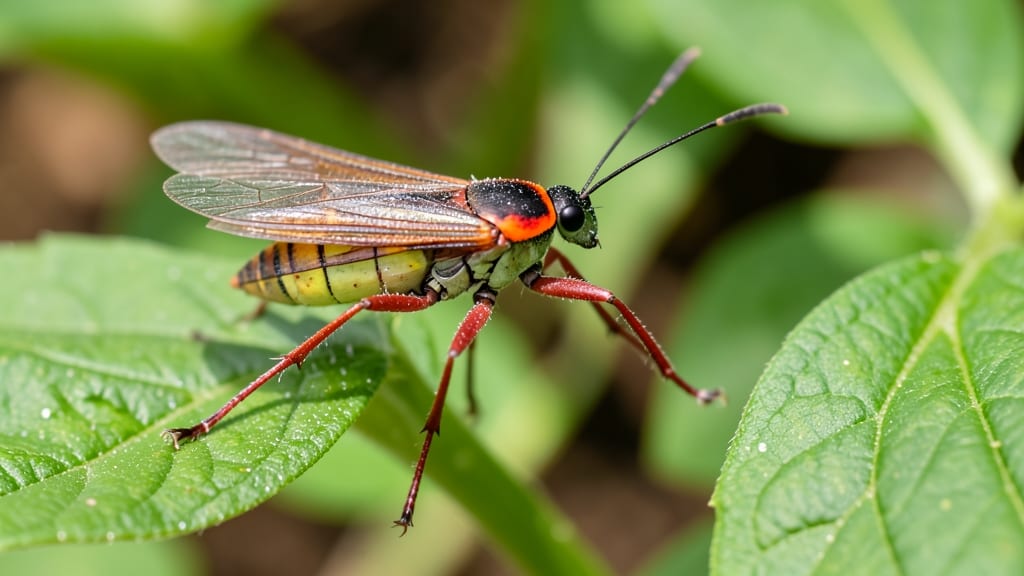
The red banded leafhopper turns your shrubs into a skeleton show—tiny, wedge-shaped pests with red and black stripes that suck sap and leave behind a silvery, crinkled mess. 🌿 I’ve watched them strip entire azaleas bare in weeks, and the worst part?
Their damage invites fungal spots that make plants look like they’ve been sprayed with rust. Copper spray isn’t just a remedy; it’s a shield against the secondary infections these pests trigger.
These little devils thrive in hot, dry weather, and once they move in, they multiply fast. You’ll spot their damage first: curled leaves, sticky honeydew trails, and black sooty mold creeping across foliage.
The red banded leafhopper isn’t picky—it attacks roses, hydrangeas, and even fruit trees—but copper spray works on all of them because it disrupts fungal growth and deters the pests. No more guessing if you’re treating the right problem.
Here’s the game-changer: a copper spray protocol that stops fungal spots before they start. Mix 1 tablespoon of copper fungicide (like copper sulfate) with 1 gallon of water, add a drop of dish soap to help it stick, and spray every 7–10 days during outbreaks.
The key? Timing—apply it at dawn or dusk to avoid burning leaves, and always spray the undersides where leafhoppers hide. Within 2–3 weeks, you’ll see new growth pushing through, crisp and free of silver streaks.
This method works year-round, but spring and fall are critical—those are when leafhoppers move in and fungal spores lurk in the soil. For heavy infestations, repeat the spray twice a week until you see improvement.
And here’s the secret weapon: neem oil as a follow-up. It smothers remaining eggs and adds another layer of protection. Your shrubs won’t just survive—they’ll bounce back stronger than before.
Root Causes Of Leafhopper Spread
Understanding why these tiny pests invade your shrubs—and how they trigger fungal issues like copper spot—starts with their behavior and the environment they thrive in. Here’s a breakdown of the key factors:
Red banded leafhoppers (and their fungal hitchhikers) love dense, stressed shrubs because:
- Poor airflow creates a humid microclimate, perfect for fungal spores to latch onto leaves.
- Competition for resources weakens plants, making them more vulnerable to pest attacks.
- Thatch buildup in mulch or soil traps moisture, giving leafhoppers a breeding ground.
Actionable fix:
- Prune shrubs to open the canopy (aim for 30–50% light penetration).
- Space plants 12–18 inches apart (varies by species) to reduce humidity pockets.
- Aerate soil annually if mulch is thick (use a rake or dethatcher).
Leafhoppers thrive in 70–90°F temperatures with high humidity—ideal conditions for fungal spread too.
Here’s why: - Slow leaf drying after rain or irrigation lets fungal spores (like Alternaria or Cercospora) colonize wounds from leafhopper feeding. - Nighttime dew provides a moisture film where spores germinate overnight. - Sudden heatwaves stress plants, making their sap sweeter—a leafhopper buffet.
Actionable fix:
- Water in early morning (avoid evening irrigation to prevent prolonged leaf wetness).
- Use drip irrigation instead of overhead sprinklers to keep foliage dry.
- Mulch with gravel or bark (not organic mulch) to reflect sunlight and reduce soil moisture.
Leafhoppers zero in on shrubs already struggling from:
- Nutrient deficiencies (e.g., low nitrogen or potassium).
- Root damage (from compaction, girdling roots, or poor drainage).
- Disease history (e.g., previous fungal infections or viral diseases like aster yellows).
Actionable fix:
- Soil test every 2–3 years and amend with balanced fertilizer (e.g., 10-10-10 for general shrubs).
- Avoid over-fertilizing—leafhoppers favor lush, soft new growth.
- Monitor for secondary pests (like spider mites), which also weaken plants.
Leafhoppers don’t fly far—they hitch rides on:
- Wind currents (especially during storms or dry, breezy days).
- Gardening tools (pruners, rakes, or even your hands).
- Wildlife (birds, squirrels, or even pets carrying eggs on fur).
Actionable fix:
- Clean tools with 70% isopropyl alcohol between plants.
- Inspect new plants for leafhoppers before adding them to your garden.
- Create windbreaks (e.g., tall grasses or hedges) to reduce airborne spread.
Leafhoppers overwinter in:
- Dry leaf litter (especially under shrubs or in borders).
- Wood chips or thick mulch (which retain moisture and warmth).
- Weeds or grass clippings left near plant bases.
Actionable fix:
- Rake up debris in fall and compost it away from shrubs.
- Mow regularly to prevent leafhopper-friendly ground cover.
- Use reflective mulch (like black plastic or landscape fabric) to deter pests.
How to Treat and Prevent Infestations
Dealing with a tiny but mighty pest like the red-banded leafhopper can feel overwhelming—but with the right approach, you can reclaim your shrubs and keep them thriving. Below, we break down targeted solutions based on the root cause of your problem, from immediate fixes to long-term prevention.
Think of this as your pest-control battle plan, tailored to stop the damage before it starts.
Before diving into treatments, double-check that you’re dealing with red-banded leafhoppers (not aphids, spider mites, or fungal issues).
Here’s how: - Look for clues: Tiny (1/8-inch), bright red or orange insects with black bands on their backs, often clustered on new growth or undersides of leaves. - Check for symptoms: Stunted growth, curled leaves, or white, waxy residue (their "honeydew") on foliage. - Shake test: Gently shake a branch over a white sheet—if tiny red specks flutter down, you’ve got your culprit.
> 💡 Pro Tip: Use a 10x magnifying glass for tricky ID. Misidentifying pests can lead to wasted time and money!
If your shrubs are already under siege, act fast with these non-toxic and chemical options:
👨🍳 Option 1: Physical Removal (Best for Small Infestations)
- Handpick adults: Wear gloves and crush or drop them into soapy water (1 tbsp dish soap per gallon of water).
Focus on new shoots and leaf undersides. - Prune heavily infested areas: Trim and dispose of affected branches in a sealed bag (not compost).
Sterilize pruners with 70% rubbing alcohol between cuts. - Hose them off: A strong stream of water (early morning or late evening) can knock them off plants. Repeat every 3–4 days for 2 weeks.
🔪 Option 2: Natural Sprays (Safe for Shrubs & Pollinators)
| Solution | How to Use | Frequency |
|---|---|---|
| Neem Oil Spray | Mix 1 tbsp neem oil + 1 tsp mild soap + 1 quart water. Spray evenly, including undersides. | Every 5–7 days for 3 weeks |
| Insecticidal Soap | Use a pre-mixed formula (like Safer® Brand). Spray until damp, avoiding direct sun. | Every 3–4 days until control is achieved |
| Kaolin Clay (Surround WP) | Creates a physical barrier. Mix 2 lbs per gallon of water, spray foliage. | Every 7–10 days |
| Garlic/Chili Pepper Spray | Blend 1 garlic bulb + 1 tbsp cayenne + 1 quart water. Strain and spray. | Every 4–5 days |
> ✨ Pro Tip: Early morning or late evening applications maximize effectiveness and minimize harm to bees.
🚫 Option 3: Chemical Treatments (Last Resort)
If natural methods fail, synthetic pyrethroids (like permethrin) can work—but use caution:
- Follow label instructions precisely (overuse can harm beneficial insects).
- Reapply after rain (chemicals wash off).
- Avoid spraying in bloom to protect pollinators.
Once you’ve kicked the leafhoppers out, keep them from crashing the party again with these proactive strategies:
🌡️ Cultural Controls (Plant Care)
- Encourage natural predators: Attract lacewings, ladybugs, and parasitic wasps by planting dill, fennel, or yarrow nearby.
- Reduce stress: Water deeply but infrequently (leafhoppers love stressed plants).
Mulch with wood chips to retain moisture. - Space plants properly: Overcrowded shrubs create hiding spots—prune for airflow.
🎯 Physical Barriers
- Fine mesh netting: Cover newly planted shrubs (like roses or viburnums) with agricultural netting to block adults.
- Reflective mulch: Silver plastic mulch can disorient leafhoppers—great for container plants.
📊 Monitoring & Early Action
- Sticky traps: Place yellow sticky cards near infested areas to track activity.
- Weekly inspections: Check new growth every 7–10 days, especially after rain (leafhoppers are active then).
If your shrubs are severely stunted or you’ve tried everything with no luck, consult a local extension service or licensed arborist. They can recommend targeted systemic treatments (like imidacloprid granules) for stubborn cases.
Remember: Patience is key—leafhoppers can take 3–4 weeks to fully eradicate. But with consistent action, your shrubs will bounce back stronger than ever! 🌿💪
Frequently asked questions about red-banded leafhoppers
How can I tell if my shrubs have red-banded leafhoppers?
Look for tiny (1/8-inch) red-orange insects with black bands on their backs, often hiding on leaf undersides or new growth. Check for silvery streaks, curled leaves, or sticky honeydew residue—these are classic signs. Shake a branch over white paper to spot them fluttering away.
Will copper spray kill red-banded leafhoppers directly?
Copper spray primarily prevents fungal infections (like copper spot) caused by leafhopper damage, but it can also deter pests when used consistently. For direct control, combine it with neem oil or insecticidal soap. Spray every 7–10 days during outbreaks, focusing on leaf undersides.
What plants are most vulnerable to these pests?
Red-banded leafhoppers love tender shrubs like azaleas, roses, hydrangeas, and fruit trees. They also target vegetables such as beans and peppers. Overcrowded or stressed plants are especially attractive—prune for airflow and space them 12–18 inches apart to reduce risk.
Can I use dish soap to control leafhoppers?
Yes! Mix 1 tablespoon of mild dish soap with 1 quart of water and spray directly on pests (avoid blooming plants). The soap disrupts their waxy coating, but repeat every 3–4 days for best results. For heavy infestations, combine with neem oil for stronger effects.
Why do leafhoppers seem to disappear after rain?
Leafhoppers thrive in dry, hot weather but struggle in humidity. Rain washes them off plants and dilutes their honeydew, which attracts sooty mold. However, they’ll return quickly—monitor plants after storms and reapply sprays (like copper or neem) to prevent reinfestation.