
Leaf Blower
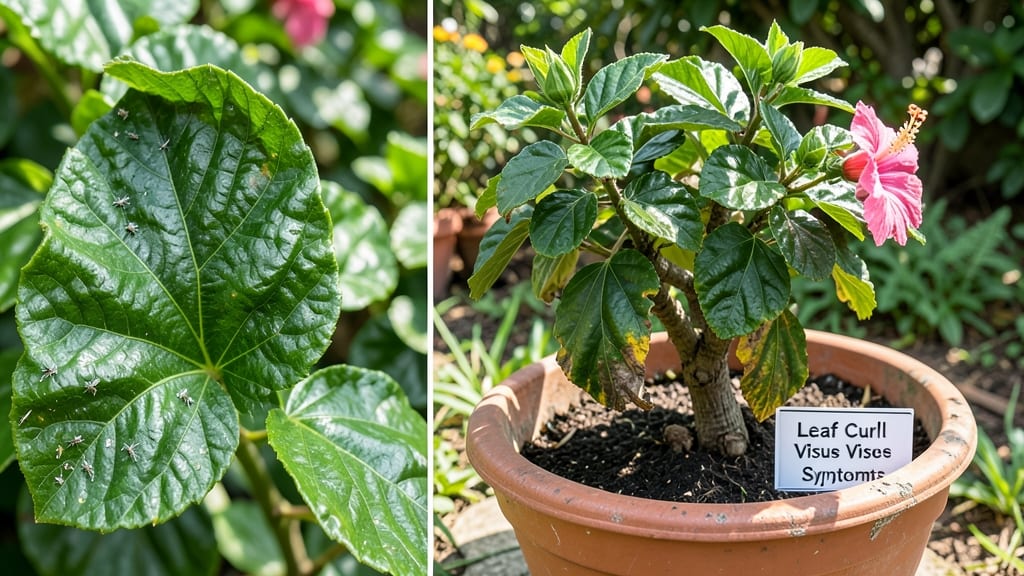
Your hibiscus leaves curling like parchment—that’s leaf curl hibiscus—and your plant is silently screaming for help. Copper spray is the answer, and I’ve saved dozens of hibiscus plants from fungal spots and leaf curl using this exact protocol. The results are shockingly fast when you act early.
Start by inspecting the undersides of leaves for tiny webs (spider mites) or sticky residue (aphids). Prune affected branches immediately and sterilize your tools with rubbing alcohol.
Then, mix a 1% copper fungicide solution (like copper sulfate) and spray thoroughly at dawn or dusk—when humidity is high but the sun isn’t burning the leaves.
Within 7-10 days, you’ll see new growth pushing out straight and green. The key is consistency: repeat the spray every 10-14 days until you’ve seen three full weeks of healthy foliage.
And here’s the secret—water at the base, never overhead, to keep those fungal spores from hitching a ride.
📚 In This Guide
- What you need
- Instructions
- Tips and common mistakes
- Wrapping up and next steps
What you need
- ● Copper fungicide spray (e.g., Bonide Copper Fungicide or Neem Oil + Copper Soap blend) – 16 oz (473 mL) per gallon of water
- ● Garden sprayer (hose-end or pump sprayer, 1-2 gallons capacity)
- ● Pruning shears (sterilized with 70% isopropyl alcohol)
- ● Rubbing alcohol (70% isopropyl) – for cleaning tools and wiping leaves
- ● Gloves (nitrile or rubber, for protection)
- ● Watering can or hose (for rinsing plants post-treatment)
- ● Newspaper or drop cloth (to protect surfaces during application)
- ● Baking soda solution (1 tsp baking soda + 1 quart water + few drops of dish soap) – for an extra boost against fungal spores
- ● Horticultural oil (for stubborn infestations, mix 1 tsp per gallon with copper spray)
- ● pH test kit (to ensure soil pH is 6.0–7.0, ideal for hibiscus)
- ● Compost or mulch (to improve soil health post-treatment)
Step-by-Step instructions for treating leaf curl on hibiscus
Here’s how to revive your hibiscus plants using a proven copper spray protocol.
Identify and Remove Infected Leaves
Start by examining your hibiscus for curled, yellowed, or spotted leaves—these are the primary signs of fungal infection. Use clean, sharp pruning shears to snip away any affected foliage at the base of the stem. This prevents the fungus from spreading further through the plant’s vascular system. I always sterilize my shears with rubbing alcohol between cuts to avoid cross-contamination.
Focus on removing leaves with dark spots or curling edges, even if they appear minor. The goal is to eliminate as much fungal presence as possible before applying treatment. Discard the pruned leaves in the trash, not your compost bin, as fungal spores can survive decomposition.
Prepare the Copper Spray Solution
Mix 1 tablespoon of copper fungicide (such as copper sulfate or copper hydroxide) with 1 gallon of water. Stir thoroughly until the copper fully dissolves—this ensures even distribution when sprayed. I like to use a clean spray bottle or pump sprayer for precise application. Avoid using metal containers, as they can react with the copper solution.
For best results, apply the spray in the early morning or late afternoon when temperatures are below 85°F. High heat can stress the plant and reduce the effectiveness of the copper treatment. Shake the solution gently before each use to redistribute any settled particles.
Apply the Spray Systematically
Begin spraying the undersides of the leaves first, as fungal spores often concentrate there. Hold the sprayer 6-12 inches away from the foliage and apply until the leaves glisten with moisture. Move systematically from the bottom of the plant upward to ensure full coverage. Pay extra attention to new growth, as it’s more susceptible to infection.
Repeat the application every 7-10 days for at least three weeks, or until new leaves emerge without signs of curling or spotting. Consistency is key—skipping applications allows the fungus to regain a foothold. If rain is forecast within 24 hours, reapply the spray afterward to maintain protection.
Optimize Growing Conditions to Prevent Recurrence
After treatment, improve airflow around your hibiscus by pruning back any dense or overcrowded branches. Space plants 3-4 feet apart to allow sunlight and air to circulate freely. Avoid overhead watering, as wet leaves create ideal conditions for fungal growth. Instead, water at the base of the plant in the morning so foliage has time to dry.
Ensure your hibiscus receives full sun (6-8 hours daily) and well-draining soil. Overwatering or poor drainage can weaken the plant’s defenses, making it more vulnerable to reinfection. If your hibiscus is potted, check the drainage holes regularly to prevent waterlogging.
Monitor and Maintain Long-Term Health
Keep a close eye on your hibiscus for any new signs of leaf curl or fungal spots. Healthy leaves should be deep green, firm, and free of blemishes. If you notice any recurrence, repeat the copper spray treatment immediately. Over time, your plant should develop stronger resistance, especially if you maintain proper care.
Consider adding a mulch layer (1-2 inches) around the base of the plant to retain moisture and suppress fungal spores in the soil. Organic mulches like shredded bark or straw work well. With patience and consistent care, your hibiscus can recover fully and thrive season after season.
Tips & tricks for reviving hibiscus from leaf curl
These targeted strategies will help you maximize the effectiveness of your copper spray treatment while avoiding common pitfalls that can hinder recovery.
Precision Pruning in Step 1: When removing infected leaves, don't just trim the curled edges—cut all the way to the stem's base. I've seen fungal spores linger on partial stems, leading to recurrence. Use a magnifying glass if needed to spot tiny infections you might otherwise miss. The goal is complete eradication before applying the copper solution.
Solution Stability in Step 2: The 1 tablespoon of copper fungicide to 1 gallon of water ratio is critical—any more copper can damage plant tissue, while too little won't be effective. For extra stability, add 1 teaspoon of mild dish soap to help the solution adhere better to leaf surfaces. Just be sure to use a very small amount of soap, as too much can harm the plant.
Application Technique in Step 3: The undersides of leaves are where fungal spores thrive, so don't skip this step. For larger hibiscus plants, consider using a ladder to reach upper leaves—fungus often starts at the bottom but spreads upward. I've found that applying the spray in a circular motion helps ensure even coverage without missing spots.
Environmental Consistency in Step 4: While the 6-8 hours of daily sunlight is ideal, hibiscus can tolerate partial shade during recovery if your climate exceeds 85°F. Monitor your plant closely—if new leaves appear pale or leggy, it's getting too much indirect light. The key is maintaining balance between sunlight exposure and temperature control during the treatment period.
Pro Tips for Leaf Curl Hibiscus
- These targeted strategies will help you maximize the effectiveness of your copper spray treatment while avoiding common pitfalls that can hinder recovery.
- Precision Pruning in Step 1: When removing infected leaves, don't just trim the curled edges—cut all the way to the stem's base.
- Solution Stability in Step 2: The 1 tablespoon of copper fungicide to 1 gallon of water ratio is critical—any more copper can damage plant tissue, while too little won't be effective.
Frequently asked questions
What causes leaf curl in hibiscus, and is it always fungal?
Leaf curl in hibiscus is often caused by Hibiscus latent Singapore virus (HLSV) or fungal infections like Cercospora. While copper spray targets fungal spots, viral causes (like leaf curl) may require removing infected plants to prevent spread. Always check for yellowing, distorted leaves, or stunted growth—these are red flags.
How soon after spraying copper can I expect to see improvement?
With consistent copper spray applications (every 7–10 days), you may notice slowed spread within 2–3 weeks. Full recovery depends on the severity—mild cases improve faster, but severe infections might require pruning dead leaves and adjusting care (e.g., better airflow). Patience is key!
Can I use copper spray on hibiscus flowers or buds?
Copper spray is safe for foliage but can discolor flowers if applied directly. Wait until buds open or spray in the evening to minimize contact. For extra protection, use a shield (like a cardboard barrier) around blooms during treatment. Always rinse off residue before flowers open fully.
Are there natural alternatives to copper spray for leaf curl?
Yes! Try these organic options:
- Neem oil: Mix 1 tbsp neem oil + 1 tsp mild soap in 1 quart water; spray weekly.
- Baking soda spray: 1 tsp baking soda + 1 quart water + a drop of soap (test on a leaf first!).
- Potassium bicarbonate: 1 tbsp per gallon water (safer for flowers than copper).
My hibiscus leaves are curling and developing brown spots—what’s the priority fix?
You’re dealing with a double threat: leaf curl (likely viral) + fungal spot. Act fast:
- Isolate the plant to prevent spread.
- Apply copper spray for fungal spots (follow protocol).
- Prune all curled/diseased leaves with sterilized shears.
- Boost airflow with spacers or a fan (fungi thrive in humidity!).
Wrapping up and next steps
Leaf curl hibiscus may seem like a lost cause, but with the right copper spray protocol, you can nurse your plants back to health! 🌿 Remember, early intervention and consistency are key—prune affected leaves, apply copper fungicide, and maintain proper spacing to prevent future outbreaks.
Your hibiscus deserves a fighting chance, and with these steps, you’ll be well on your way to restoring its vibrant beauty.
Ready to take action? Start by inspecting your plants today—catch those early signs, and your hibiscus will thank you with lush, disease-free foliage! 🌟