
Shrubs
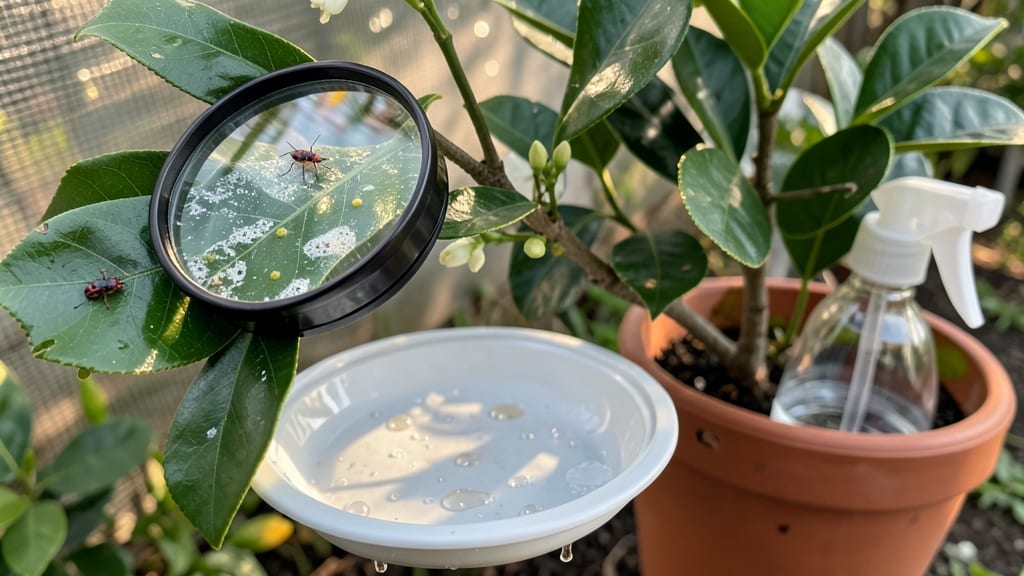
Red banded leaf hoppers can turn your thriving shrubs into skeleton leaves overnight—unless you act fast. 🌿 These tiny invaders don’t just feed; they leave behind sticky honeydew that triggers fungal spots, turning your plants into a mess of black soot and wilting foliage.
I’ve battled them in my citrus trees, and the copper spray protocol saved my harvest (and my sanity) last summer.
The key is early intervention—once the hoppers spread, they’re nearly impossible to eradicate without harsh chemicals. Copper spray works because it disrupts their feeding cycle and prevents the fungal spots that follow.
You’ll need a ready-to-use copper fungicide (like Bordeaux mixture) and a sprayer, but the process takes just 15 minutes—far less than dealing with a full-blown infestation.
By the time you finish spraying, you’ll see the first signs of recovery within 3-5 days: new growth without stippling, and no more sticky residue on leaves.
The copper also builds up in the plant’s tissues, offering protection for up to 2 weeks—long enough to break the hopper’s life cycle.
Works on citrus, ornamentals, and even vegetable gardens, but avoid spraying when rain is forecasted. For persistent problems, combine with neem oil for a two-pronged attack. Let’s get those plants back to thriving!
Root Causes Of Fungal Spot Outbreaks
When red-banded leaf hoppers invade your shrubs, they don’t just leave behind sticky honeydew—they set the stage for a fungal party. These tiny sap-suckers weaken plants, creating the perfect conditions for sooty mold and other fungal infections. But why does this happen? Let’s break down the science behind the chaos.
The primary way these pests trigger fungal issues is by draining nutrients from your shrubs. Red-banded leaf hoppers insert their stylets into plant tissues to feed on phloem sap, leaving behind:
- Stunted growth: Plants divert energy to repair damage instead of maintaining healthy foliage.
- Reduced chlorophyll: Sap loss disrupts photosynthesis, turning leaves pale or yellowed—ideal for fungal spores to latch onto.
- Open wounds: Their feeding creates microscopic punctures, giving fungi a direct entry point.
Pro tip: 💡 Healthy plants fight off fungi better. Regular pruning to improve airflow and balanced fertilization can help plants recover faster.
Red-banded leaf hoppers excrete honeydew—a sugary waste product that coats leaves, stems, and even nearby surfaces. While it might seem harmless, this sticky residue is a buffet for fungal spores, including:
- Sooty mold: A black, velvety fungus that thrives on honeydew, blocking sunlight and further stressing the plant.
- Powdery mildew: A white, powdery fungus that spreads rapidly in humid conditions, often triggered by excess sugars.
- Leaf spot diseases: Fungi like Alternaria or Cercospora use honeydew as a food source and a launching pad for spores.
Why it’s worse: Honeydew also attracts ants, which protect the leaf hoppers—creating a vicious cycle. Pro tip: 🌡️ Monitor humidity; fungal spores spread faster in damp conditions (above 75% relative humidity).
Fungi don’t just appear—they thrive in specific conditions, often exacerbated by leaf hopper activity. Key triggers include:
| Factor | How It Helps Fungi | Actionable Fix |
|---|---|---|
| High humidity (60%+) | Fungal spores germinate faster in moist environments, especially on honeydew-coated surfaces. | Use fungicides with copper (like your spray protocol) and improve airflow with pruning. |
| Warm temperatures (70–85°F) | Optimal range for fungal growth; leaf hoppers are also most active in heat. | Apply copper sprays in early morning to maximize coverage before spores spread. |
| Rain or overhead watering | Splashes honeydew onto new plant parts, spreading fungi like wildfire. | Water at the base of plants and avoid late-day watering to let foliage dry. |
Pro tip: ✨ Copper sprays work best preventatively—apply before fungal symptoms appear, especially after rain or when leaf hoppers are active.
Understanding these root causes helps you interrupt the cycle. By addressing weakened plants, removing honeydew, and controlling humidity, you can starve out fungi before they take hold. Next, we’ll dive into how copper-based treatments can prevent these fungal spots from ruining your shrubs.
Quick Fixes for Leaf Spot Damage
If you’ve spotted sticky honeydew trails, yellowing leaves, or sooty mold on your shrubs, it’s time to act. The red banded leaf hopper isn’t just a nuisance—it’s a gateway to fungal infections like anthracnose and leaf spot.
But don’t panic! With the right approach, you can reverse the damage and prevent future outbreaks. Below, we’ve broken down solutions by cause, so you can tackle the problem head-on—without losing your favorite plants.
If your shrubs already show signs of fungal leaf spot (dark spots with yellow halos), copper-based fungicides are your best defense. These sprays create a protective barrier while disrupting fungal spores. Here’s how to do it right:
- ✅ Choose the right spray: Opt for a fixed copper fungicide (like Copper Sulfate or Copper Hydroxide) labeled for ornamental plants. Avoid organic copper sprays if you’ve already seen mold—they’re less effective on established infections.
- 🍳 Mix it properly: Follow label instructions (typically 1–2 tbsp per gallon of water). Stir well to avoid clumping, which can clog your sprayer.
- 👨🍳 Apply at the right time: Spray early morning or late evening when temperatures are below 85°F (29°C). Avoid spraying on hot, sunny days—it can burn leaves.
- 🥘 Cover all surfaces: Focus on undersides of leaves, new growth, and stems. Use a high-volume sprayer or even a garden hose with a soaker nozzle for large shrubs.
- ⏰ Reapply every 7–14 days until new leaves emerge without spots. Stop when rain is forecast—copper washes off quickly.
💡 Pro Tip: If your shrubs are heavily infested, pair copper spray with a neem oil solution (1 tsp neem oil + 1 tsp mild soap per quart of water) to smother both fungus and pests.
The red banded leaf hopper is the real culprit behind honeydew and fungal growth. To break the cycle, you need to eliminate the pests while reducing their habitat.
- 🔪 Prune infected branches: Cut off severely damaged leaves (where hoppers cluster) and dispose of them in sealed bags. Do not compost—this spreads eggs and spores.
- 🌡️ Introduce natural predators: Ladybugs, lacewings, and parasitic wasps devour leaf hoppers. Buy them online or attract them with native flowering plants (like dill, fennel, or yarrow).
- 🎯 Use insecticidal soap or horticultural oil: Mix 1 tbsp mild castile soap or horticultural oil per quart of water and spray directly on hoppers. Reapply every 5–7 days for 2–3 weeks.
- ✨ Disrupt their life cycle: Leaf hoppers lay eggs in leaf tissue. Spray dormant oil in late winter (before buds swell) to suffocate overwintering eggs.
💡 Pro Tip: Yellow sticky traps can monitor and reduce hopper populations. Hang them near infested shrubs—hoppers get stuck, and you’ll know where they’re hiding!
Once you’ve cleared the infection, keep it from coming back with these low-maintenance habits:
| Action | Why It Works |
|---|---|
| Improve air circulation by spacing plants 3–5 feet apart and pruning dense growth. | Reduces humidity, making it harder for fungus to thrive. |
| Water at the base (not overhead) and early in the day so leaves dry quickly. | Prevents moisture buildup, a fungus magnet. |
| Mulch with wood chips (2–3 inches deep) to suppress weeds (which attract hoppers). | Weeds = hopper hotspots. Keep them away! |
| Rotate copper sprays with baking soda spray (1 tbsp baking soda + 1 tsp oil + 1 gallon water) every other treatment. | Fungus can build resistance—keep them guessing! |
💡 Pro Tip: If your shrubs are repeatedly infested, consider resistant varieties like Abelia × grandiflora or Weigela florida, which hoppers avoid.
With these steps, your shrubs will bounce back healthier than ever. The key? Act fast—don’t wait for spots to spread. Your plants will thank you with vibrant, pest-free foliage all season long! 🌿✨
Frequently asked questions
What are the first signs of a red-banded leaf hopper infestation?
Look for tiny 1/8-inch insects with bright red bands on their backs, often clustered on new growth. You’ll also spot sticky honeydew on leaves and black sooty mold developing underneath. Early signs include yellow stippling on upper leaf surfaces where they feed.
Can copper spray harm beneficial insects like bees?
Copper fungicides are generally bee-safe when applied correctly, but avoid spraying directly on flowers where bees forage. Apply in early morning when bees are less active, and choose fixed copper formulations (like copper hydroxide) which are less toxic than copper sulfate.
How often should I reapply copper spray for prevention?
For prevention, apply copper spray every 10-14 days during active growing seasons (spring-fall). If you’ve had repeated infestations, extend to every 7 days until new growth appears healthy. Always check the label for specific reapplication intervals—some formulations require more frequent treatments.
Will pruning alone eliminate red-banded leaf hoppers?
Pruning removes visible pests and improves airflow, but won’t eliminate eggs or nymphs hiding in leaf tissue. Always combine pruning with copper spray or insecticidal soap for complete control. Remove pruned material immediately and don’t compost—seal in bags to prevent reinfestation.
What plants are most vulnerable to these hoppers?
Citrus trees, roses, hibiscus, vegetables (like tomatoes and peppers), and ornamental shrubs (such as bougainvillea and oleander) are prime targets. Young, tender growth is especially attractive—monitor new shoots closely during warm, humid weather when hoppers are most active.