
Planting
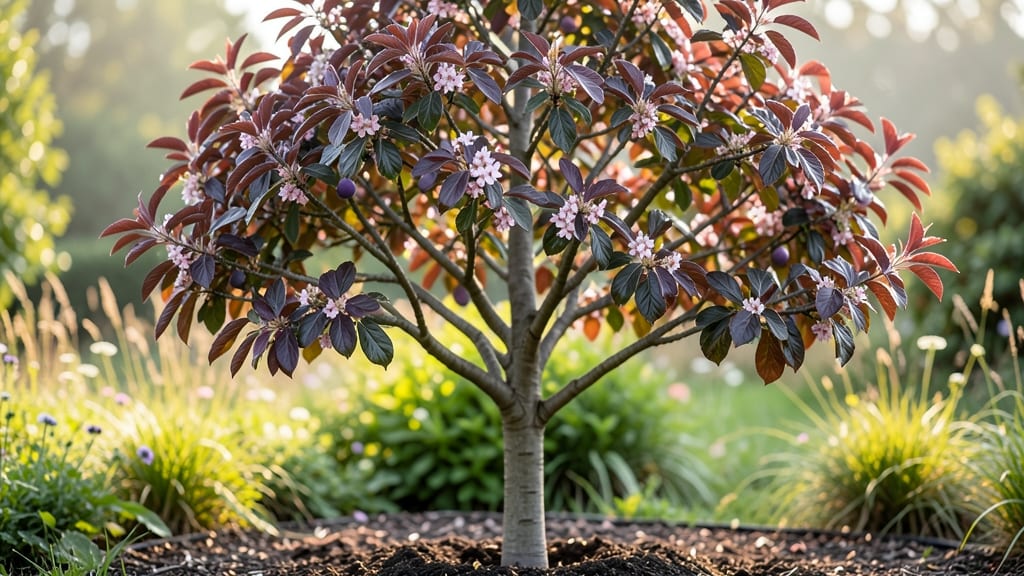
Purple-leafed plants turn shade gardens into living art. 🌿 I’ve transformed dull corners of my yard with these bold beauties, and they’ve become the unexpected stars of my landscape—adding depth, texture, and drama where sunlight barely reaches.
These plants thrive in partial to full shade, making them perfect for under trees, along north-facing walls, or in containers on shaded patios. Varieties like purple-leaf plum and smoke bush offer striking foliage year-round, while purple grasses add movement and height.
The key is pairing them with silver or chartreuse foliage to make their deep hues pop even more. You’ll love how they anchor garden beds, soften harsh lines, and create visual interest without needing constant attention. Just remember: most prefer well-draining soil and regular watering until established.
The payoff? A garden that feels lush and intentional, even in the shadiest spots. Works in cottage gardens, modern landscapes, or even urban courtyards. Here’s how to make them shine in yours!
📚 In This Guide
- What you need
- Instructions
- Tips and common mistakes
- Wrapping up and next steps
What you need
- ● Purple-leafed plants: Choose from 1-3 varieties (e.g., Heuchera, Coleus, Japanese Maple, or Purple Smoke Bush). Opt for 1-gallon containers for mature plants or seed packets for DIY growers.
- ● High-quality potting soil: 2-3 bags (10-15 lbs each) of well-draining, organic soil mix (e.g., Miracle-Gro Garden Soil or FoxFarm Ocean Forest).
- ● Compost or fertilizer: 1 bag of balanced 10-10-10 fertilizer or slow-release organic pellets (e.g., Espoma Organic Plant Food).
- ● Mulch: 1 bag of shredded bark or pine straw (5-10 lbs) to retain moisture and suppress weeds.
- ● Garden trowel or hand shovel: For digging holes and transplanting.
- ● Gloves: 1 pair of gardening gloves (nitrile-coated for durability).
- ● Pruners or shears: Bypass pruners for trimming or harvesting cuttings.
- ● Watering can or hose: With a gentle spray nozzle to avoid damaging foliage.
- ● Measuring tape or ruler: To ensure proper spacing (typically 12-24 inches apart for most purple-leafed plants).
- ● Garden stakes or labels: 5-10 stakes + waterproof markers to track plant varieties.
- ● Slow-release watering system: Such as Olla pots or drip irrigation for low-maintenance hydration.
- ● Plant food spray: Like Fish Emulsion for an extra nutrient boost during growth.
- ● Shade cloth: 50-70% coverage if your garden gets partial sun (to prevent leaf scorch).
How to create a stunning shade garden with purple-leafed plants
Here's my go-to approach for selecting and arranging purple-leafed plants that thrive in shady spots.
🌿 Step 1: Choose the Right Purple-Leafed Varieties for Your Climate
Start with plants that naturally thrive in your hardiness zone. I always begin with heuchera (coral bells) and coleus for vibrant purple hues, then add fatsia japonica (Japanese aralia) for larger foliage impact. Check each plant's mature size—some like heuchera 'Palace Purple' stay compact at 12 inches tall, while others like coleus 'Wine and Roses' can reach 2 feet. Purple-leafed plants need partial to full shade—most tolerate 3-6 hours of morning sun but avoid harsh afternoon rays.
Look for plants labeled as "purple-leaf" or "variegated purple" to ensure consistent color. I avoid plants with "sun" in their care instructions—they'll quickly fade in shade. Your local nursery's shade garden section is the best place to find these gems. If shopping online, filter for plants that specify "shade-tolerant" purple foliage.
☀️ Step 2: Assess Your Shade Conditions Before Planting
Not all shade is equal. Observe your garden for at least a week to determine light levels. Dappled shade (sunlight filtering through trees) works best for purple-leafed plants. If your spot gets no direct sunlight, opt for plants like pothos 'Purple Heart' or fittonia that thrive in low to no light. For morning sun with afternoon shade, heuchera and astilbe perform beautifully.
Test your soil's moisture level—purple-leafed plants prefer consistently moist but well-draining soil. Dig a small hole, add water, and wait 15 minutes. If water pools at the bottom, amend with 2-3 inches of compost to improve drainage. If it drains too quickly, mix in 1 inch of peat moss to retain moisture. Purple foliage fades when roots struggle, so proper soil prep is critical.
🪴 Step 3: Plant with Proper Spacing for Long-Term Drama
Arrange plants based on their mature size to create a layered effect. Place taller varieties like fatsia japonica (4-6 feet) at the back, mid-height plants like heuchera (12-18 inches) in the middle, and trailing types like pothos (1-2 feet) at the front. Space heuchera 12-18 inches apart and coleus 10-12 inches apart—crowding causes competition for light, which dulls their purple hues.
Dig holes twice as wide as the root ball but only as deep. Gently remove the plant from its container, loosen roots if pot-bound, and place it in the hole so the top of the root ball sits level with the surrounding soil. Fill in with native soil, pressing lightly to eliminate air pockets. Water deeply to settle the roots—you'll see 1-2 inches of soil sink in as it absorbs moisture.
💧 Step 4: Water and Mulch for Consistent Color
Water newly planted purple-leafed plants every 2-3 days until established, keeping soil evenly moist but not soggy. Overwatering causes roots to suffocate, leading to yellowing leaves. After 4-6 weeks, reduce watering to once a week, adjusting for rainfall. Purple foliage thrives when roots stay hydrated but never waterlogged.
Apply 2-3 inches of mulch (like shredded bark or pine needles) around each plant, keeping it 2 inches away from stems. Mulch locks in moisture and prevents soil temperature swings, which can stress plants. Refresh mulch annually—it breaks down and loses effectiveness over time. This simple step keeps your purple-leafed plants looking vibrant for years.
✂️ Step 5: Prune and Maintain for Year-Round Color
Light pruning encourages bushier growth. Trim back 1/3 of the oldest stems in early spring to make room for new, vibrant foliage. Use clean, sharp pruners to make 45-degree cuts just above a leaf node. Avoid cutting into woody stems—purple-leafed plants like heuchera and coleus regenerate best from leafy growth.
Fertilize lightly in spring with a balanced, slow-release fertilizer (10-10-10). Over-fertilizing promotes leafy green growth at the expense of purple pigment. I use half the recommended dose to keep colors rich. Deadhead spent flowers on plants like astilbe to redirect energy into foliage rather than seed production. With proper care, your purple-leafed shade garden will deliver year-round drama with minimal effort.
Tips & tricks for perfect purple-leafed plant arrangements
Real talk: The difference between a forgettable shade garden and one that steals the show often comes down to these simple but game-changing details.
Variety Matters: In Step 1, when selecting your purple-leafed plants, I can't stress enough how important it is to mix textures. Pair the velvety leaves of heuchera with the lush, trailing foliage of pothos 'Purple Heart'—this creates visual interest that flatters the eye. I've seen gardens where all plants were similar in texture, and while they looked nice, they lacked that "wow" factor. Think of it like layering flavors in a dish: each plant adds something unique to the overall composition.
Soil Test Hack: Before you dig those holes in Step 2, grab a handful of your existing soil and squeeze it tightly. If it holds its shape when you release it, your soil is too dense. If it crumbles immediately, it's too sandy. Purple-leafed plants need that Goldilocks zone of "just right" drainage. I've had to amend soil with both compost and peat moss in the same garden—don't be afraid to customize based on your specific soil test results.
Layering Like a Pro: When arranging your plants in Step 3, remember that the back of your garden should feel like a dramatic backdrop. Place your fatsia japonica at the very back—its large leaves create an instant focal point. Then work your way forward with mid-height plants like heuchera (12-18 inches apart), and finally fill the front with trailing varieties. This creates depth that makes your garden look intentionally designed rather than randomly planted.
Pruning Precision: In Step 5, when you're trimming back those oldest stems, here's what nobody tells you: The angle of your cut matters. Make those 45-degree cuts just above a leaf node, but also make sure you're cutting at the exact same angle each time. This creates a clean, professional look that makes your garden appear well-maintained. I use a small mirror to check my angles—it sounds silly, but it makes a noticeable difference in the final appearance.
Pro Tips for Purple Leafed Plant
- Real talk: The difference between a forgettable shade garden and one that steals the show often comes down to these simple but game-changing details.
- Variety Matters: In Step 1, when selecting your purple-leafed plants, I can't stress enough how important it is to mix textures.
- Soil Test Hack: Before you dig those holes in Step 2, grab a handful of your existing soil and squeeze it tightly.
Frequently asked questions
Got questions about purple-leafed plants?
You’re not alone! Whether you’re a shade-garden newbie or a seasoned green thumb, these foliage superstars can raise a few curiosities. Here’s what you need to know before diving in:
What are the best purple-leafed plants for full shade?
If your garden gets zero direct sunlight, opt for Heuchera (Coral Bells), Astilbe, or Japanese Painted Fern. These thrive in 4+ hours of shade and pack vibrant purple hues. For deeper shade (like under trees), Hosta ‘Purple Heart’ or Ferns like ‘Maiden’s Blush’ are winners.
How long does it take for purple leaves to develop fully?
Patience pays off! Most purple-leafed plants show partial color in 4–6 weeks after planting, but full intensity takes 2–3 months (or a full growing season). Heuchera and Coleus are faster, while Japanese Maple may take 1–2 years to reach peak drama. Pro tip: Fertilize lightly with low-nitrogen food to boost color!
Do purple-leafed plants need special watering?
Not necessarily! Most prefer consistently moist (not soggy) soil. Tender perennials like Coleus need daily watering in heat, while woody plants (e.g., Purple Smoke Bush) tolerate drought once established. Warning: Overwatering can dilute purple tones—let the top inch of soil dry between waterings for best results.
Can I mix purple-leafed plants with green ones?
Absolutely!
Purple foliage pops against green, silver, or variegated leaves. Try pairing Purple Heart Philodendron with Silver Pothos or Heuchera ‘Palace Purple’ beside Hostas. For contrast, add white flowers (like Lamium) to make the purple sing. Design tip: Group odd numbers (3–5 plants) for a natural look.
Why are my purple leaves turning brown or yellow?
Brown edges? Underwatering or salt buildup (from tap water) are likely culprits. Yellowing? Check for overwatering or nutrient deficiency (try a chelated iron spray). Pests like spider mites also love purple foliage—spray with neem oil if you spot webs or speckles. Prevention: Use rainwater or distilled water for sensitive plants.
Wrapping up and next steps
Transforming your shade garden with purple-leafed plants isn’t just about beauty—it’s about creating a vibrant, low-maintenance oasis that thrives year-round. 🌿 From bold Heuchera to elegant Japanese maples, these plants bring drama, texture, and color to even the darkest corners.
Whether you’re a seasoned gardener or just starting, the key is choosing the right varieties for your space and giving them the care they deserve.
Ready to dive in? Start small—pick one or two purple-leafed stars for your garden and watch your shade space come alive! 🌸 Check out our planting guide for step-by-step tips to get growing today.