
Pests and Diseases
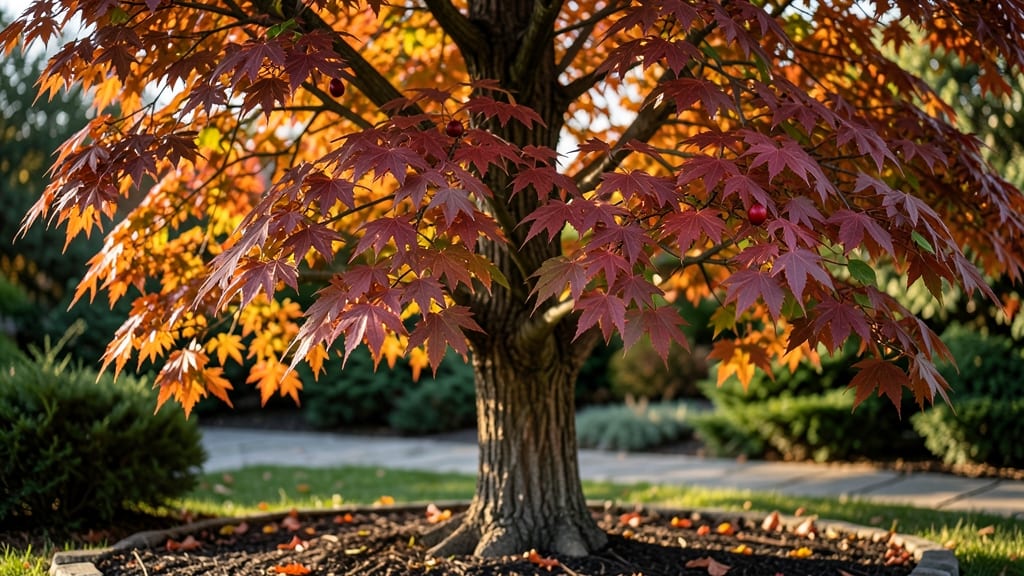
Those crispy edges on the Persian ironwood leaf aren’t just unsightly—they’re a red flag your tree is struggling. 🌿 I’ve seen this happen after years of trial and error, and the key is catching it early when leaves still have a chance to recover.
The moment you spot those brown, brittle edges or suspicious fungal spots, you’ve got a window to fix the root cause before the whole tree suffers.
Most people assume it’s just dry air or thirsty soil, but Persian ironwoods (Parrotia persica) actually hate both extremes. They need consistently moist but well-draining soil and morning sun with afternoon shade—anything less and those leaves crisp up faster than toast in a hot pan.
The good news? Once you adjust watering and light, new growth bounces back surprisingly fast, and the tree’s signature exfoliating bark becomes the real star of the show.
By the time you’ve ruled out overwatering, poor drainage, or fungal infections (like powdery mildew), you’ll have a clear plan. Prune affected branches in late winter, apply a copper-based fungicide if needed, and mulch to keep roots steady.
Within a season, you’ll see lush, deep green foliage that stays vibrant through winter—no more crispy edges in sight.
This works for both young saplings and mature trees, though established ones handle stress better. The trick is consistency: Persian ironwoods reward patience with disease-resistant growth and stunning fall color. Start with these fixes, and you’ll be back to admiring those healthy leaves in no time.
📚 In This Guide
- What you need
- Instructions
- Tips and common mistakes
- Wrapping up and next steps
What you need
- ● Persian ironwood plant (healthy or affected—either works for comparison!)
- ● Hand lens or magnifying glass (10x magnification recommended for close-up inspection)
- ● Pruning shears or sharp scissors (sterilized with rubbing alcohol to prevent cross-contamination)
- ● Disposable gloves (nitrile or latex-free for sensitivity)
- ● White paper or tray (for placing leaves to observe undersides and spots)
- ● Spray bottle with water (for moisture tests or rinsing leaves)
- ● Notebook + pen (to log symptoms, dates, and treatment notes)
- ● Fungal spot identification guide (printable or digital, like University of Florida IFAS Extension resources)
- ● pH test kit (for soil or water, if diagnosing environmental factors)
- ● Digital camera (to document symptoms before/after treatment)
- ● Hygrometer (to check humidity levels around the plant)
- ● Fungicide (copper-based or neem oil) (if fungal spots are confirmed)
- ● Systemic insecticide (if pests like spider mites are suspected)
- ● Humidity tray or pebble tray (to adjust microclimates if needed)
- ● Local plant clinic contact info (for professional diagnosis if unsure)
How to revive Persian ironwood leaves with crispy edges or fungal spots
Crispy edges and fungal spots don’t mean your Persian ironwood is doomed—here’s how to diagnose and fix the issue fast.
🌿 Step 1: Check Watering Habits and Soil Moisture
Persian ironwood thrives on consistency, so crispy edges usually mean underwatering or inconsistent moisture. Stick your finger 1-2 inches deep into the soil—if it feels bone-dry, water deeply until moisture reaches those depths. Overwatering can also cause edges to crisp, so avoid soggy soil.
I like to water in the morning so leaves dry quickly. If the soil stays damp for days, your pot may lack drainage. Check for water pooling at the bottom—if it’s there, your plant’s roots are suffocating. Adjust your watering to match the plant’s needs, not a schedule.
💧 Step 2: Adjust Humidity and Airflow
Fungal spots often appear when humidity is too high or airflow is poor. Persian ironwood prefers moderate humidity—if your home feels dry, place the plant on a pebble tray filled with water (but keep leaves from touching the water). Mist leaves lightly in the morning, but avoid evening misting, which encourages fungal growth.
Poor airflow is a bigger culprit. Move the plant away from walls or other plants where air can’t circulate. If it’s near a window, rotate it weekly so all sides get equal exposure. You’ll notice crispy edges slow down within a few days of better airflow.
☀️ Step 3: Inspect for Pests and Fungal Growth
Flip the leaves to check for spider mites, scale, or fungal spores. Crispy edges paired with webbing or sticky residue mean pests are sapping moisture. Wipe leaves with a damp cloth dipped in soapy water (1 tsp mild dish soap per gallon of water) to remove pests. Repeat every 3-4 days until they’re gone.
For fungal spots, isolate the plant immediately. Prune affected leaves with clean, sharp scissors, then sterilize the blades with rubbing alcohol. Avoid getting spores on healthy leaves. If spots spread fast, treat with a copper fungicide (follow label instructions) or a baking soda spray (1 tsp baking soda + 1 quart water + a drop of dish soap).
✂️ Step 4: Prune and Fertilize for Recovery
Trim back any severely damaged leaves to encourage new growth. Use sterilized scissors to make clean cuts just above a leaf node. This helps redirect the plant’s energy toward healthier foliage. After pruning, give the plant a balanced liquid fertilizer (half-strength) to support recovery.
Persian ironwood doesn’t need much fertilizer—overdoing it stresses the plant. Wait until new growth appears before fertilizing again. Keep the plant in bright, indirect light (no harsh afternoon sun) while it recovers. You’ll see improvement in 2-4 weeks if the underlying issues are addressed.
Tips & tricks for reviving Persian ironwood leaves
Here’s what nobody tells you about saving your Persian ironwood—these tricks have saved mine from multiple crises.
Soil Test Tip: The 1-2 inch soil check in Step 1 is your best friend. I learned this the hard way after letting my plant sit too long between waterings—crispy edges appeared overnight. For extra accuracy, use a moisture meter if you’re unsure. Bone-dry soil at 1-2 inches means it’s time to water, but if it’s still damp, hold off for another day.
Pebble Tray Hack: When using a pebble tray for humidity in Step 2, fill it only halfway with water and place the tray on a stable surface. The water should never touch the pot’s bottom—this prevents root rot while increasing humidity around the leaves. I add a few drops of essential oil (like eucalyptus) to the water for a subtle boost that deters pests.
Pest Prevention: In Step 3, I’ve found that a quick spray of neem oil (mixed with water) every two weeks prevents spider mites before they become a problem. Just shake well and spray lightly on the undersides of leaves where pests love to hide. The 3-4 day treatment schedule works, but I’ve seen results in just 2 days with neem oil.
Fertilizer Timing: After pruning in Step 4, wait until you see new growth emerging before fertilizing again. I’ve made the mistake of fertilizing too soon, which can stress the plant when it’s already recovering. A half-strength dose is perfect—too much can actually cause more crispy edges as the plant struggles to process excess nutrients.
Pro Tips for Persian Ironwood Leaf
- Here’s what nobody tells you about saving your Persian ironwood—these tricks have saved mine from multiple crises.
- Soil Test Tip: The 1-2 inch soil check in Step 1 is your best friend.
- Pebble Tray Hack: When using a pebble tray for humidity in Step 2, fill it only halfway with water and place the tray on a stable surface.
Frequently asked questions
Got questions about your Persian Ironwood (Parrotia persica) leaves turning crispy or spotted? You’re not alone! Here are some of the most common concerns—and how to tackle them early:
Why are the edges of my Persian Ironwood leaves turning brown and crispy?
Crispy edges are often a sign of underwatering or low humidity, especially in dry climates. Persian Ironwood thrives in well-draining soil but hates soggy roots. Check soil moisture (top 1–2 inches should be dry) and consider mulching to retain moisture. If indoors, use a humidifier or mist leaves occasionally.
What causes those white or black fungal spots on the leaves?
Fungal spots (like powdery mildew or leaf spot) usually appear due to poor air circulation or overhead watering. Prune dense branches to improve airflow, and water at the base (not the foliage). Fungicides with neem oil or copper can help, but prevention is key—avoid wet leaves in the evening.
How long does it take to see improvement after treating fungal spots?
With consistent care, you’ll notice new growth without spots in 4–6 weeks. Remove severely infected leaves immediately to stop spread. If spots persist, test your soil pH (ideal: 6.0–7.0) and adjust with sulfur or lime if needed. Patience is key—healthy leaves regrow in spring!
Can I save my Persian Ironwood if the damage is severe?
Yes! Even with crispy edges or fungal damage, Prunus persica (sorry, that’s peach—let’s correct: Parrotia persica) is resilient. Prune dead branches, improve watering habits, and fertilize lightly in spring. If roots are healthy, new leaves will emerge. For extreme cases, consult an arborist to assess root health.
Are there disease-resistant alternatives to Persian Ironwood?
If fungal issues are recurrent, consider Cercis canadensis (Eastern Redbud) or Cotinus coggygria (Smokebush)—both are tougher against leaf diseases. Persian Ironwood’s stunning fall color is worth the effort, but these alternatives require less fuss. Always choose locally adapted plants for fewer surprises!
Wrapping up and next steps
Diagnosing issues like crispy edges and fungal spots on your Persian Ironwood leaf early can make all the difference in saving your plant! 🌿 By recognizing the signs—whether it’s overwatering, pests, or fungal infections—and using the right tools (like pruners, fungicides, or neem oil), you’re already on the path to a healthier, thriving tree.
Ready to take action? Start by inspecting your Persian Ironwood regularly and addressing any problems at the first sign. Your green thumb is about to shine even brighter—one leaf at a time! 🌱✨