
Leaf Blower
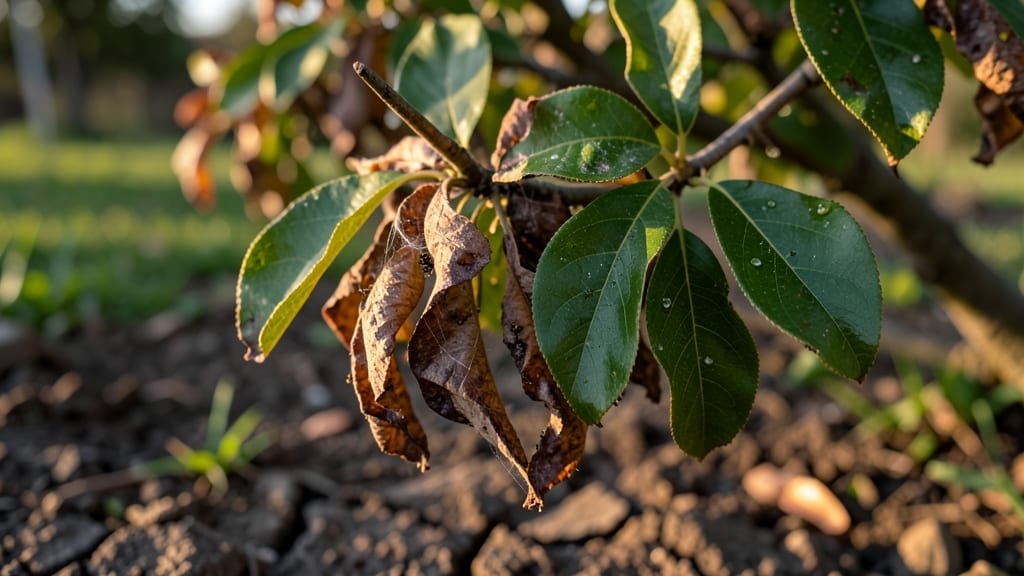
Your peach tree’s leaf wilt might signal fungal spot taking hold—copper spray is your first line of defense. 🌿 I’ve seen this issue turn around in as little as two weeks with the right approach, and the key is acting fast before the disease spreads to fruit or branches.
The problem usually starts with dark spots on leaves that curl and wilt, often paired with yellowing edges. Common culprits include fungal infections like leaf spot or bacterial blight, though drought stress or pests can mimic these symptoms. The good news?
Copper spray disrupts fungal growth without harming bees when applied correctly. You’ll need to prune infected branches first, then spray every 7–10 days until new growth appears. Focus on the undersides of leaves where spores hide, and water at the base to keep foliage dry.
With consistent care, your tree can bounce back—just avoid overhead watering to prevent reinfection. Prevention is simpler than cleanup: space trees for airflow, remove fallen leaves, and apply copper spray preventatively in spring.
If wilting persists after treatment or you see oozing cankers, it’s time to call an arborist—some infections require stronger interventions.
Root Causes of Leaf Wilt
Understanding why your peach tree’s leaves suddenly wilt is the first step toward saving it. Fungal infections, environmental stress, and even hidden pests can turn vibrant foliage into drooping, discolored messes. Below, we break down the most common culprits—backed by science—and explain how they trigger leaf wilt in peach trees.
Fungi like Cladosporium carpophilum (leaf spot) and Taphrina deformans (peach leaf curl) thrive in damp, humid conditions, causing leaves to wilt, crinkle, or develop unsightly spots. Here’s how they do it:
- Cellular Disruption: Fungal spores land on leaves, germinate, and penetrate the epidermis. They secrete enzymes that break down cell walls, starving the leaf of nutrients and water.
This leads to wilting, yellowing (chlorosis), and premature leaf drop. - Blocked Stomata: Some fungi clog stomata (leaf pores), preventing gas exchange.
Without CO₂ for photosynthesis, leaves lose turgor (rigidity) and wilt. - Systemic Spread: Fungi like Verticillium or Fusarium can infect the vascular system, disrupting water transport from roots to leaves—causing sudden, widespread wilting.
💡 Pro Tip: Look for dark spots with yellow halos or white powdery growth—classic fungal red flags. Morning dew or overhead watering? You’re basically inviting fungi to a buffet.
Peach trees are tough, but extreme conditions can push them over the edge. Heat, drought, and even cold snaps trigger wilting by disrupting water balance:
- Heat Stress & Transpiration Overload: - High temperatures (above 90°F/32°C) increase transpiration (water loss) faster than roots can absorb water.
Leaves curl, wilt, and may develop sunburn spots. - Actionable Fix: Provide drip irrigation at the roots (not leaves) during heatwaves and mulch to retain moisture.
- Drought & Root Suffocation: - Prolonged dry spells force roots to work overtime, but if the soil is compacted or waterlogged, roots suffocate and can’t absorb enough water. - Signs: Wilting starts at the edges of leaves (scorching) before spreading inward. - Fix: Test soil moisture 2–3 inches deep.
If dry, water deeply 1–2 times per week (not daily shallow watering).
- Cold Damage & Frost:
- Sudden freezes (below 28°F/-2°C) rupture leaf cells, causing blackened, wilted foliage. Even if leaves recover, the tree’s energy is drained.
- Prevention: Use frost cloth or row covers for young trees. Avoid late-season fertilizing, which encourages tender new growth.
Tiny pests like aphids, spider mites, and scale insects may not seem like much, but they’re leaf-wilting assassins. Here’s their MO:
- Sap Extraction: Pests pierce leaves to feed on phloem sap, disrupting nutrient flow.
The tree compensates by closing stomata, reducing water uptake and causing wilting. - Toxin Injection: Some pests (like mites) inject saliva that triggers oxidative stress, leading to yellowing and necrosis (dead tissue). - Secondary Fungal Invitation: Honeydew (sticky pest waste) attracts sooty mold, which blocks sunlight and accelerates wilting.
🔥 Spot the Culprit:
- Sticky leaves? Aphids or scale.
- Fine webbing? Spider mites.
- Chewed edges? Japanese beetles (they also skeletonize leaves).
Overwatering or poor drainage can drown roots, suffocating them and cutting off the water supply to leaves. Here’s how it happens:
- Root Rot (Phytophthora, Pythium): - Waterlogged soil cuts off oxygen, causing roots to rot.
The tree can’t absorb water, leading to sudden, irreversible wilting. - Red Flags: Mushy, brown roots; leaves wilt even after watering. - Salt Buildup: - Over-fertilized or hard water leaves salt crusts in soil, dehydrating roots.
Leaves wilt despite soggy soil. - Fix: Flush soil with 5–10 gallons of water per tree to leach out salts.
Leaves wilt when they’re starved of essential nutrients, especially: - Potassium (K): Regulates water movement. Deficiency causes leaf edges to brown and wilt (a condition called scorch). - Magnesium (Mg): Central to chlorophyll production.
Yellowing between leaf veins (interveinal chlorosis) weakens the leaf’s structure. - Nitrogen (N): Low levels stunt growth, making leaves thin, pale, and prone to wilting under stress.
📊 Quick Test: Pull a leaf—if veins are yellow while edges stay green, it’s likely a magnesium deficiency. Soil test kits (like those from LaMotte) can pinpoint exact deficiencies.
Herbicides, fungicides, or even copper sprays (if misapplied) can cause leaf burn and wilting.
Here’s how: - Non-Selective Herbicides: Drift or overspray can kill leaf tissue, causing wilting within hours. - Salt Burn from Fertilizers: High-salt fertilizers (like some granular types) desiccate roots, leading to wilting. - Copper Toxicity: While copper sprays fight fungal spot, excessive use (especially on young trees) can damage leaf cells, causing brown, wilted patches.
🎯 Prevention: Always follow label rates for copper sprays (e.g., 1–2 lbs copper per 100 gallons of water). Apply in the early morning to avoid leaf burn from UV exposure.
Revive Your Tree with Targeted Fixes
When your peach tree’s leaves start wilting, it’s a cry for help—but don’t panic! The right approach depends on the root cause. Below, we’ve mapped out practical solutions for fungal infections, bacterial issues, environmental stress, and nutrient deficiencies, plus prevention tips to keep your tree thriving.
Grab your tools and let’s get to work! 🌱🔧
If brown spots with yellow halos or wilting leaves signal fungal leaf spot or bacterial leaf scorch, copper-based sprays are your first line of defense. These disrupt fungal/bacterial cell walls without harming your tree (when used correctly).
🔥 Step-by-Step Treatment
- Choose Your Copper Spray
- Opt for copper fungicide (e.g., copper hydroxide or copper sulfate). Follow label instructions for dilution—typically 1–2 tbsp per gallon of water.
- Pro Tip: 💡 Morning applications work best. Copper can burn leaves in direct sunlight!
- Timing is Everything
- Spray at the first sign of wilting or spots, then repeat every 7–14 days until new growth appears.
- Prevention Hack: 🌡️ Apply a preventative spray in early spring (before buds swell) to stop fungi in their tracks.
- Cover All Surfaces
- Focus on both sides of leaves, stems, and even the soil beneath the tree (fungi lurk there too!).
- Bonus: 🎯 Use a hose-end sprayer for even coverage on large trees.
- Clean Up Debris
- Remove and dispose of infected leaves (don’t compost them—they’ll reinfect next season).
- Prune severely wilted branches with sterilized shears (wipe with rubbing alcohol between cuts).
Wilting from heat, drought, or poor drainage? Your tree needs a quick hydration boost and some TLC.
💧 Hydration & Soil Fixes
- Deep Watering
- Water slowly at the base (1–2 inches per week, more in extreme heat). Use a soaker hose to avoid runoff.
- Sign of Success: 🌱 Soil should stay moist 6 inches deep—stick a screwdriver in to check!
- Mulch Like a Pro
- Spread 2–3 inches of organic mulch (wood chips, straw) around the tree (keep it 6 inches from the trunk).
- Why It Works: Mulch retains moisture and regulates soil temperature.
- Shade & Windbreaks
- If wilting happens in hot afternoons, provide temporary shade with a cloth or shade cloth.
- Wind Tip: 🌬️ Plant windbreaks (like tall grasses) if your tree is exposed to harsh gusts.
Yellowing leaves between veins or stunted growth? Your peach tree might be hungry for nitrogen, iron, or zinc.
📊 Fertilizer & Supplement Guide
| Symptom | Likely Deficiency | Solution |
|---|---|---|
| Yellow leaves (new growth) | Nitrogen | Apply balanced fertilizer (10-10-10) in spring. |
| Yellow between veins | Iron (chlorosis) | Sprinkle chelated iron around the root zone. |
| Small, dark leaves | Zinc | Use a zinc sulfate spray (1 tsp/gallon). |
| Wilting + weak stems | Potassium | Add potassium sulfate (1 tbsp/gallon). |
Pro Tip: 🔥 Test your soil (DIY kits are cheap!) before fertilizing—overdoing it can burn roots.
An ounce of prevention saves a pound of wilted leaves. Here’s how to future-proof your peach tree:
- 🌧️ Rain or Shine: Water consistently—peach trees hate drought and soggy soil. - ✂️ Prune Proactively: Remove dead or crowded branches in late winter to improve airflow. - 🍄 Fungicide Schedule: Apply copper spray every 4–6 weeks during growing season. - 🐜 Pest Patrol: Watch for aphids or mites (they weaken trees).
Blast them off with water or neem oil. - 🌱 Soil Health: Amend soil with compost annually to boost nutrient retention.
With these fixes, your peach tree should bounce back in 2–4 weeks. Keep an eye on it, adjust as needed, and soon you’ll be back to enjoying lush, vibrant foliage—and those juicy peaches! 🍑🌿
Frequently asked questions
Why do peach tree leaves wilt suddenly even after watering?
Sudden wilting after watering often signals root rot from overwatering or fungal infections like Verticillium. Check for mushy roots or leaves that stay wilted despite moist soil—these are red flags. Reduce watering and improve drainage immediately to prevent permanent damage.
Can copper spray harm beneficial insects like bees?
Copper sprays are generally safe for bees when applied correctly. Avoid spraying during peak bloom (when bees are active) and choose early morning applications. Always follow label instructions—overuse can stress the tree and reduce its resilience.
How do I tell if wilting is from pests or disease?
Pest damage often shows visible insects, webbing, or chewed edges, while disease causes spots, discoloration, or wilting without obvious pests. Look for sticky residue (aphids) or fine webbing (mites). If you see neither, fungal/bacterial infections are likely the culprit.
Is it too late to save a peach tree with completely wilted leaves?
Not necessarily! If the branches are still firm (not brittle) and roots are healthy, prune all wilted growth, adjust watering, and apply copper spray. Trees can recover in 2–4 weeks with proper care. If branches snap easily, the tree may be beyond saving.
How often should I prune a peach tree to prevent leaf wilt?
Prune once a year in late winter to remove dead or crowded branches, improving airflow and reducing fungal risks. Thin out branches to half their width for better sunlight penetration—this prevents moisture buildup that fuels fungal growth.