
Diseases
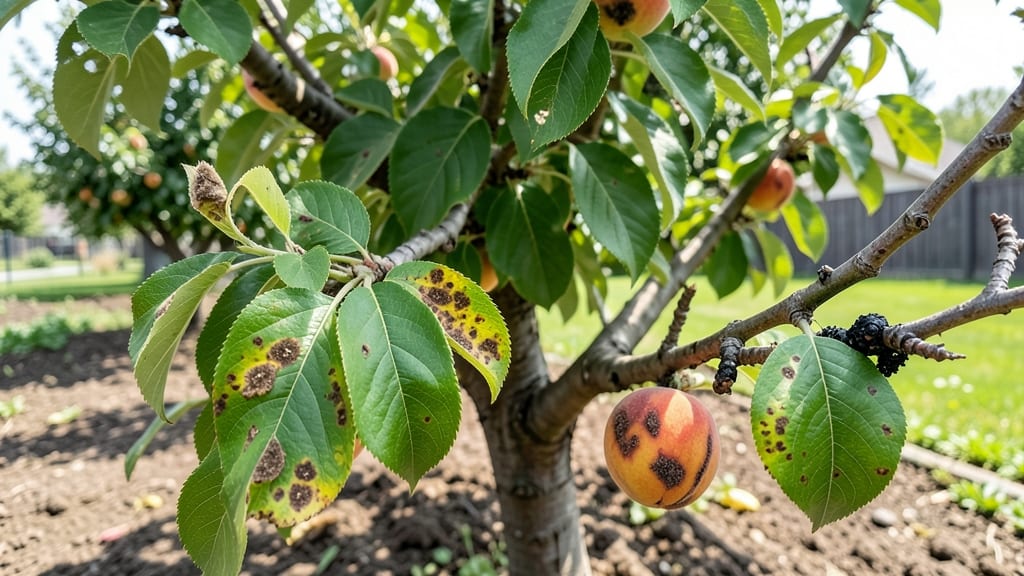
That first sight of peach leaf diseases pictures showing brown spots on your peach leaves can turn your summer harvest into a gamble. 🌿 I’ve spent years diagnosing peach leaf diseases—from bacterial spot to rust—and the key to saving your tree starts with knowing what you’re looking at before it spreads.
Most fungal blights thrive in warm, wet weather, but even dry seasons bring trouble like peach leaf curl or powdery mildew. The good news? Early action—like pruning infected branches or applying copper fungicide—can stop these diseases in their tracks before they ruin your fruit.
You’ll learn to spot the telltale signs (yellowing, curling, or blackened patches) and match them to proven fixes—organic sprays, sanitation tricks, and seasonal prevention. With the right approach, your peach tree can bounce back stronger than ever.
Perfect for home gardeners who want to keep their trees healthy without mystery sprays. Let’s get those leaves looking vibrant again—no guesswork needed.
Understanding The Root Causes
Peach trees are stunning in bloom, but their leaves can quickly become a battleground for fungal invaders, bacteria, and environmental stressors. If you’ve noticed discolored, spotted, or wilting leaves on your peach tree, understanding why these issues arise is the first step to prevention and treatment.
Below, we break down the key culprits behind peach leaf diseases—from microscopic pathogens to weather-related triggers—so you can tackle them head-on.
Fungi are the #1 cause of peach leaf diseases, thriving in warm, humid conditions.
These microscopic organisms release spores that land on leaves, stems, or fruit, causing infections like: - Brown Rot (Monilinia fructicola) – A devastating fungal disease that creates dark, sunken lesions with tan centers. - Leaf Spot (Cercospora, Cladosporium, or Mycosphaerella) – Leaves develop yellow or brown spots with dark borders, often leading to premature defoliation. - Powdery Mildew (Podosphaera leucotricha) – A white, powdery coating appears on leaves, reducing photosynthesis and stunting growth.
Why it happens:
Fungi spread via spores, which are lightweight and travel through air, water, or infected plant debris. Key triggers include: Pro Tip: 💡 Fungi often overwinter in fallen leaves, buds, or mummified fruit—so cleanup is critical! Peach trees are resilient, but extreme or inconsistent weather can
| Factor | How It Causes Damage | Actionable Fix |
|---|---|---|
| Excessive Rain | Washes away protective wax coating, spreads fungal spores, and causes leaf rot. | Improve drainage, use fungicides preventatively before rainy seasons. |
| Drought Stress | Weakens roots and reduces nutrient uptake, making trees prone to infections. | Deep watering (1–2 inches per week) and mulching to retain moisture. |
| Temperature Swings | Sudden cold snaps or heatwaves shock the tree, reducing resistance. | Choose disease-resistant varieties (e.g., ‘Elberta’ or ‘Redhaven’) for your climate. |
| High Wind | Physically damages leaves, creating entry points for pathogens. | Prune to open the canopy and reduce wind exposure. |
Key Insight: 🌡️ Peach trees thrive in USDA Zones 5–9—but even in ideal zones, unpredictable weather (like late frosts or heavy downpours) can trigger outbreaks.
Some diseases don’t act alone—pests create the perfect conditions for fungal or bacterial infections.
For example: - Peach Leaf Curculio (Conotrachelus nenuphar) – Larvae feed on leaves, creating wounds where fungi (like brown rot) can enter. - Aphids & Spider Mites – Weakens leaves by sucking sap, reducing the tree’s ability to fight off pathogens. - Bacterial Leaf Spot (Xanthomonas campestris) – Often enters through wounds caused by hail, pruning cuts, or pest damage.
Why it happens:
Pests compromise the leaf’s integrity, allowing water to pool and pathogens to colonize. For instance: Pro Tip: 🔥 Use neem oil or insecticidal soap to control pests before they invite diseases. Monitor trees weekly during peak pest seasons (spring/summer). Even with perfect weather,
Common offenders: - Overhead Irrigation – Watering leaves (instead of the soil) keeps them wet for long periods, promoting fungal growth. - Improper Pruning – Cutting too late in the season or using dirty tools can spread pathogens. - Nutrient Imbalances – Too much nitrogen (lush growth but weak structure) or deficiencies (yellowing leaves) stress the tree. - Planting in Shade – Peach trees need 6–8 hours of sunlight; shade reduces airflow and increases humidity near the canopy.
Why it happens:
Peach trees are stress-sensitive. When they’re malnourished, overwatered, or improperly pruned, their natural defenses (like cuticle thickness or antimicrobial compounds) weaken. For example: Pro Tip: ✨ Conduct a soil test every 2–3 years to check pH (ideal: 6.0–7.0) and nutrient levels. Adjust with lime (for acidity) or sulfur (for alkalinity) as needed. Diseases don’t just appear—they
Common sources: - Reused Pruners – Contaminated blades can transfer fungal spores from one tree to another. - Infected Nursery Stock – Buying trees with pre-existing diseases (like bacterial spot) introduces problems early. - Windborne Spores – Fungi like brown rot can travel miles on wind currents. - Weeds & Ground Cover – Some weeds (e.g., blackberry brambles) host peach tree pathogens.
Why it happens:
Pathogens are opportunistic. They lie dormant in soil, debris, or other plants until conditions are right. For example:
- ✅ Brown rot spores overwinter in mummified fruit on the ground, then infect new blooms in spring.
- ✅ Bacterial spot can survive on wild plum or cherry trees nearby, jumping to peaches via rain splash.
Pro Tip: 🎯 Always sterilize pruners with 70% rubbing alcohol or a 10% bleach solution between cuts. Remove weeds within a 10-foot radius of your peach tree.
Fixing Peach Leaf Diseases Step By Step
Now that you’ve identified the culprit behind your peach tree’s leaf woes, it’s time to take action! Below are practical, step-by-step solutions tailored to each common fungal disease, along with prevention tips to keep your tree thriving.
Think of this as your peach tree’s emergency first aid kit—but better, because it’s all organic and long-term!
🔥 Cause: Monilinia fructicola (that sneaky fungus loves warm, wet weather) 🛡️ Fix:
- Prune aggressively 🪓 – Remove all infected leaves, blossoms, and mummified fruit (yes, even the ones on the ground!). Burn or bag them—do not compost!
- Apply fungicide 💊 – Spray a copper-based fungicide (like copper sulfate) or baking soda mix (1 tbsp baking soda + 1 tsp dish soap + 1 gallon water) before bud break and again after harvest.
- Thin fruit 🍑 – Overcrowded branches = more humidity = fungus party. Space fruit 4–6 inches apart for airflow.
- Clean up debris 🧹 – Rake and remove all fallen leaves/fruit from under the tree. This breaks the fungus’s life cycle!
💡 Pro Tip: If brown rot hits, avoid watering overhead—use drip irrigation instead to keep leaves dry.
🔥 Cause: Taphrina deformans (this one twists leaves into ugly curls) 🛡️ Fix:
- Spray dormant oil ❄️ – Apply dormant oil (like horticultural oil) during late winter/early spring (before buds swell) to smother overwintering spores.
- Copper fungicide spray 🛡️ – After buds break, spray copper fungicide (or neem oil) every 7–10 days until new leaves harden.
- Remove curled leaves 🗑️ – As soon as you spot them, prune and destroy (don’t compost!) to stop spore spread.
- Improve airflow 🌬️ – Thin out dense branches to reduce humidity where the fungus thrives.
💡 Pro Tip: Leaf curl is less severe in cool climates—if you’re in a colder zone, the tree may recover faster with fewer sprays.
🔥 Cause: Podosphaera oxycoccina (that white, powdery mess) 🛡️ Fix:
- Wash leaves 🚿 – Mix 1 tbsp baking soda + 1 tsp soap + 1 gallon water, then spray directly on leaves (especially undersides) every 7–10 days.
- Prune for sunlight ☀️ – Thin branches to let sunlight hit the canopy—powdery mildew loves shade and humidity.
- Use reflective mulch 🪨 – Cover the ground with white plastic or gravel to reflect light and dry leaves faster.
- Neem oil spray 🌿 – Apply neem oil (1 tsp per quart of water) weekly until mildew disappears.
💡 Pro Tip: Avoid overhead watering—powdery mildew thrives on wet leaves, so water at the base instead.
🔥 Cause: Elsinoë merenica (those dark, sunken spots?) 🛡️ Fix:
- Remove infected leaves 🗑️ – Prune and destroy (don’t compost!) all spotted leaves immediately.
- Fungicide spray schedule 💉 –
- First spray: Before buds open (dormant season).
- Second spray: When leaves are half-grown.
- Third spray: After harvest. Use copper fungicide or chlorothalonil (follow label instructions).
- Sanitize pruners 🧼 – Wipe blades with rubbing alcohol between cuts to avoid spreading spores.
- Plant resistant varieties 🌱 – If anthracnose is chronic, switch to ‘Redhaven’ or ‘Elberta’ peach trees, which are more resistant.
💡 Pro Tip: Mulch with straw (not wood chips) to reduce soil splashing onto leaves.
No matter the disease, these habits will dramatically reduce future outbreaks: - 🌱 Plant in full sun (6+ hours/day) – Fungus loves shade and dampness. - 💧 Water deeply but early – Morning watering (not evening) lets leaves dry fast. - 🍃 Fertilize right – Too much nitrogen = soft, fungus-loving growth.
Use a balanced 10-10-10 fertilizer. - 🪓 Prune in late winter – Remove dead/diseased wood before spores wake up. - 🌿 Crop rotation – If replanting, wait 3–5 years before putting another peach tree in the same spot.
✨ Final Thought: Most peach leaf diseases are manageable—the key is early action and consistent care. Once you’ve treated an outbreak, stay vigilant with prevention, and your tree will bounce back stronger than ever! 🍑💪
Frequently asked questions
How can I tell if my peach tree has a fungal disease just by looking at the leaves?
Look for these key visual clues: brown spots with yellow halos (leaf spot), white powdery coating (mildew), or curled, puckered leaves (leaf curl). Dark sunken patches with tan centers usually mean brown rot. Compare your symptoms to our visual guide—most fungal diseases show up as discoloration, lesions, or unusual textures first.
Is it safe to compost leaves with fungal diseases?
Never compost infected leaves or fruit! Fungal spores can survive composting and reinfect your garden. Instead, double-bag infected material in plastic and throw it in the trash. The same goes for mummified peaches—burn them if possible to break the disease cycle completely.
When is the best time of year to treat peach leaf diseases?
Start treatments before symptoms appear—focus on late winter/early spring (dormant season) for diseases like leaf curl. Apply fungicides every 7–10 days during peak growing season (spring to early summer) when humidity is high. For brown rot, spray before bud break and again after harvest.
Can I use household items like vinegar or baking soda to treat peach leaf diseases?
Yes! A baking soda spray (1 tbsp baking soda + 1 tsp dish soap + 1 gallon water) works well for powdery mildew and leaf spots. For vinegar, use a very diluted solution (1 tbsp white vinegar per gallon of water)—it’s too harsh alone. Test on a small leaf first, as vinegar can burn tender foliage if overused.
Why do some peach trees get diseases while others in the same area stay healthy?
Healthy trees resist diseases better due to genetics, proper care, and strong roots. Varieties like ‘Redhaven’ are more resistant than others, and trees with good airflow, balanced nutrients, and disease-free pruning stay stronger. Even small differences in soil, sunlight, or watering can make a big impact!