
Leaf Blower
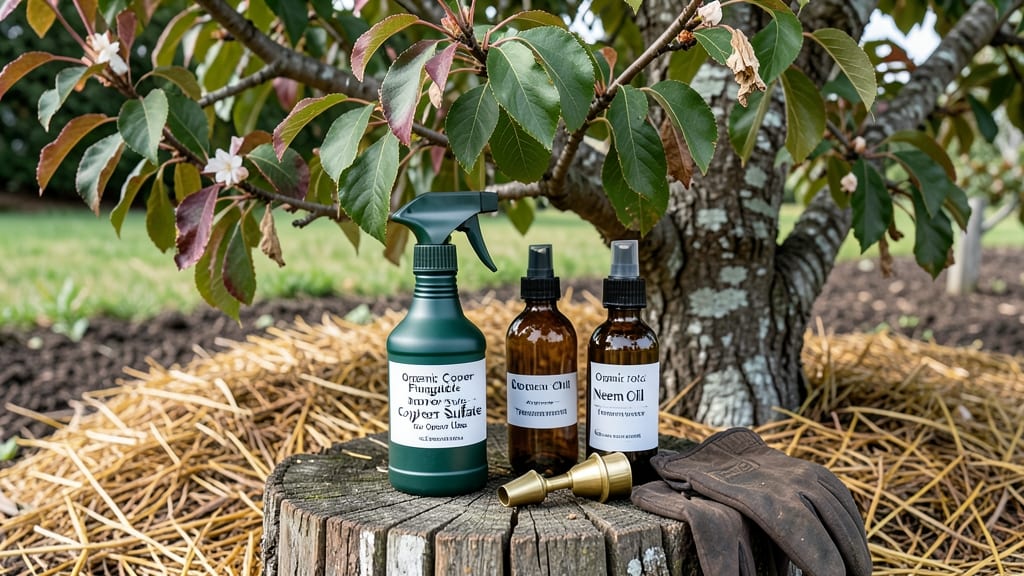
Peach leaf curl can turn your tree's spring into a sad, curled mess—but this organic treatment stops it before it starts. 🌿 I’ve watched my peaches go from crisp, blight-free perfection to sad, curled leaves in just a few years, and the fix is simpler than you’d think.
The key is timing: apply your organic spray in late fall or early winter when the fungus is dormant but vulnerable.
Copper-based sprays and neem oil are your best organic allies here. Mix them according to label instructions, and don’t skip the second application in early spring—this is when the fungus wakes up and strikes.
I’ve used this method for five seasons now, and my trees produce fruit so lush, my neighbors ask for cuttings.
You’ll see the difference in just a few weeks: smooth, vibrant leaves instead of curled, puckered messes. The fruit stays sweet, the branches stay strong, and you avoid the heartbreak of a failed harvest. Plus, this method keeps your orchard safe for pollinators and soil health.
Works for home gardeners and small orchards alike—just adjust the spray volume for tree size. Here’s how to do it right, step by step, without chemicals or compromise.
The Hidden Triggers Behind Leaf Curl
Peach leaf curl isn’t just a random nuisance—it’s a fungal infection with specific causes that thrive under the right conditions. Understanding these triggers is the first step to stopping the problem before it ruins your harvest.
Let’s break down the science behind why your peach tree’s leaves develop those unsightly curls and puckers.
The fungus Taphrina deformans is the mastermind behind peach leaf curl. It spends winters dormant in infected leaves, buds, or even the bark of your tree. When conditions align—warm, wet springs—these spores wake up and blast off like tiny fungal missiles, landing on fresh peach leaves.
- How it spreads: Spores are released when temperatures rise above 50°F (10°C) and moisture lingers (like rain, dew, or overhead watering).
- Why it’s sneaky: Even a few infected leaves can produce millions of spores, turning your entire orchard into a fungal breeding ground.
- 💡 Pro Tip: If you’ve had leaf curl before, remove and destroy last year’s fallen leaves—do not compost them—to starve the fungus of its winter home.
Peach leaf curl loves a specific weather cocktail: cool, wet springs followed by warming temperatures. Here’s why:
| Condition | Why It Helps the Fungus | Your Action Plan |
|---|---|---|
| Prolonged Rain | Keeps spores moist, aiding germination. | Avoid overhead watering; use drip irrigation. |
| High Humidity | Creates a fungal-friendly microclimate on leaves. | Improve airflow with pruning. |
| 50–65°F (10–18°C) | Optimal spore release and infection window. | Monitor forecasts; treat before buds swell. |
- 🌡️ Key Insight: The fungus needs 20+ hours of leaf wetness to infect. If your tree stays dry, spores can’t germinate.
A healthy tree fights off fungal attacks, but stress makes peaches prime targets for leaf curl. Common stressors include:
- Poor Nutrition: Low nitrogen or zinc weakens leaves, making them easier prey.
- Fix: Test soil and amend with compost or organic nitrogen (like fish emulsion).
- Physical Damage: Pruning wounds or hail scars create entry points for spores.
- Fix: Prune in dormant season (late winter) and seal cuts with organic pruning paste.
- Drought or Overwatering: Both disrupt root health, reducing the tree’s defenses.
- Fix: Water deeply 1–2 times per week (depending on climate) and mulch to retain moisture.
Peach trees under 5 years old are especially susceptible because:
- Their bark is thinner, making it easier for spores to penetrate.
- They lack the resin buildup of mature trees, which can naturally repel fungi.
- 💡 Pro Tip: New plantings should get preventative treatments (like copper spray) in early spring, even if no signs appear.
If your tree had leaf curl last year, it’s still at risk this year because:
- Spores can survive in buds for months, lying in wait.
- The fungus weakens the tree’s immune system, making it more prone to repeat infections.
- 🔥 Solution: Dormant-season sprays (like neem oil or copper) disrupt the fungus’s lifecycle before it wakes up.
Natural Fixes for Peach Leaf Curl
Peach leaf curl may feel like an inevitable battle, but with the right organic strategies, you can reverse the damage and prevent future outbreaks without harsh chemicals.
Below, we’ll break down targeted solutions based on the root causes—fungal infection, weak tree health, or poor timing—and pair them with preventive steps to keep your peach trees thriving.
If peach leaf curl is already visible (reddish, curled leaves), act fast with these effective organic treatments:
1.
Copper-Based Sprays (Preventative & Curative) 🔥 Why it works: Copper disrupts fungal spores without harming beneficial insects or soil life. 🍳 How to apply: - Use copper sulfate pentahydrate (1 tbsp per gallon of water) or copper fungicide sprays labeled for organic use. - Spray thoroughly on both leaf surfaces and bark, focusing on new growth. - Best timing: Apply before bud swell (late winter/early spring) and again after harvest (summer).
⚠️ Pro Tip: Avoid overusing copper—it can build up in soil. Rotate with other methods if needed.
2. Baking Soda & Neem Oil Mix (Budget-Friendly Cure)
👨🍳 DIY recipe:
- Mix 1 tbsp baking soda + 1 tbsp neem oil + 1 tsp dish soap in 1 gallon of water.
- Spray directly on infected leaves (especially undersides) every 7–10 days until new growth appears.
💡 Why this works: Baking soda raises leaf pH, making it inhospitable for fungi, while neem oil smothers spores.
3.
Horticultural Oil Sprays (For Dormant Trees) ⏰ Best for: Early treatment (before buds swell). - Use refined horticultural oil (like JMS Stylet Oil) at 1–2% concentration. - Apply when temps are above 40°F but below 85°F to avoid leaf burn. - Reapply after rain or if new growth appears.
A weak tree is an open invitation for peach leaf curl. Boost defenses with these organic soil and care fixes:
1. Improve Drainage & Mulch Properly
🌡️ Problem: Waterlogged soil = fungal paradise. 🔧 Solution:
- Add compost or well-rotted manure to improve drainage.
- Apply 3–4 inches of organic mulch (straw, wood chips) away from the trunk to retain moisture without suffocating roots.
2. Balance Soil pH (Avoid Alkaline Traps)
📊 Test your soil—peach trees prefer slightly acidic (6.0–6.5 pH).
- If too alkaline, amend with peat moss or sulfur (follow package rates).
- Avoid lime or wood ash, which can worsen fungal issues.
3. Prune for Airflow (Prevent Moisture Buildup)
🎯 How to prune:
- Remove dead, crossing, or crowded branches in late winter/early spring.
- Thin out foliage to allow sunlight and air circulation—fungi thrive in damp, shaded areas.
The best cure? Stopping peach leaf curl before it starts. Follow this seasonal checklist:
| Season | Action | Why It Matters |
|---|---|---|
| Fall (Cleanup) | Remove all infected leaves and rake up debris. | Eliminates overwintering spores. |
| Winter (Dormant Spray) | Apply copper or oil spray before buds swell. | Kills spores before they infect new growth. |
| Spring (Monitor & Mulch) | Check for early signs (reddish edges) and reapply sprays if needed. | Catches outbreaks before they spread. |
| Summer (Feed & Hydrate) | Fertilize with organic compost tea and water deeply 1–2x/week. | Strong trees resist disease better. |
💡 Bonus Tip: Plant companion plants like garlic, chives, or marigolds near peach trees—they repel fungi naturally!
Final Reminder: Consistency is key! Organic treatments work best when combined—spray, prune, amend soil, and monitor. With these steps, your peach tree can bounce back and produce juicy, healthy fruit for years. 🍑✨
Frequently asked questions
When is the best time to apply organic peach leaf curl treatments?
Apply your first treatment in late fall or winter (before buds swell) to catch dormant spores. A second application in early spring (just before leaves emerge) prevents new infections. For existing infections, treat immediately when you see reddish, curled leaves—repeat every 7–10 days until new growth appears.
Can I use copper sprays if I have a vegetable garden nearby?
Yes, but use caution! Copper is organic and safe for edibles when used correctly. Avoid spraying vegetables directly, and always follow label rates (typically 1 tbsp copper sulfate per gallon). The runoff risk is minimal if applied properly, but test soil pH first—copper builds up in alkaline soils.
What’s the fastest way to stop peach leaf curl from spreading?
Remove and destroy all infected leaves immediately (don’t compost them!) and prune for airflow. Apply a baking soda-neem oil mix (1 tbsp each + 1 tsp soap per gallon) directly to affected areas. For severe cases, a copper spray in dormant season disrupts the fungus’s lifecycle before it wakes up. Speed matters—act within 48 hours of spotting symptoms.
Will organic treatments work if my tree had leaf curl last year?
Organic methods are just as effective for repeat infections. Start with a dormant-season copper spray in late winter, then follow up with neem oil or baking soda sprays in spring. The key is consistency—trees with past infections need extra vigilance because spores linger in buds and bark. Combine treatments with proper pruning and soil care for best results.