
Neem Oil
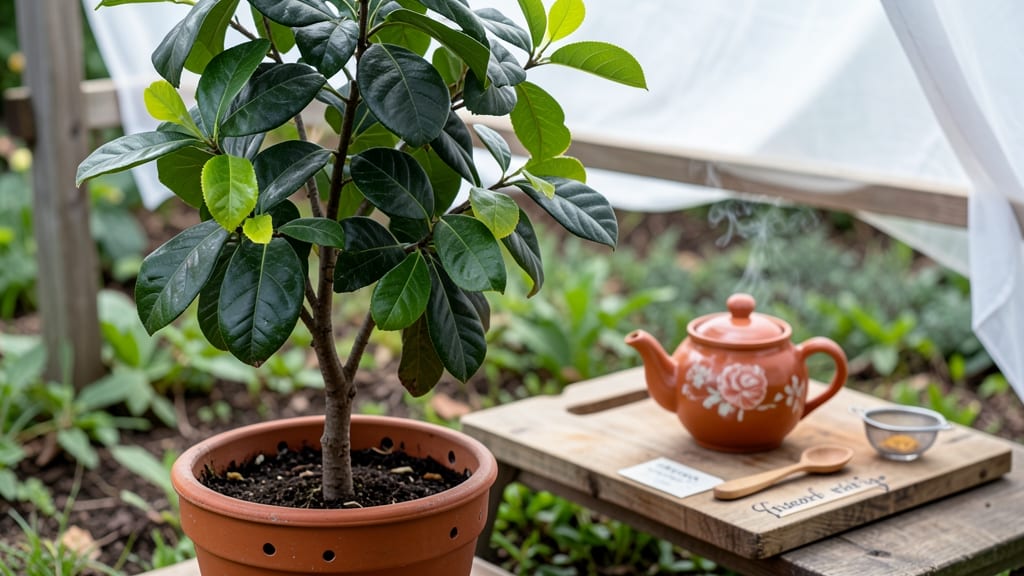
Peach avocado leaf tea is a nutrient-rich herbal infusion made from Persea americana leaves, offering antioxidants, anti-inflammatory properties, and digestive support. Brew fresh leaves with hot water for a mild, earthy flavor and potential immune-boosting benefits.
This herbal infusion packs a surprising punch for wellness enthusiasts. 🌿 The leaves contain persin—a compound that supports metabolic health—alongside vitamin C and flavonoids that combat oxidative stress. Unlike the fruit's creamy texture, the tea delivers a subtly bitter, grassy profile that pairs well with a touch of honey.
I've found it particularly effective for soothing occasional digestive discomfort, though moderation is key due to its natural compounds.
For best results, harvest leaves from mature plants and steep them for 5-7 minutes in 200°F water. The younger, lighter green leaves tend to be milder in flavor, while older ones offer more robust health benefits.
Always consult with a healthcare provider before incorporating new herbal remedies into your routine, especially if you're pregnant, nursing, or managing chronic conditions.
💡 In This Article
- Peach Avocado Leaf Tea: Key Nutrients and Scientific Benefits
- How to Grow and Harvest Peach Avocado Leaves for Tea
Peach avocado leaf tea: key nutrients and scientific benefits
The leaves of the Persea americana plant—commonly known as peach avocado—contain a powerhouse of bioactive compounds that set this tea apart from other herbal infusions. At the core is persin, a unique compound that gives the leaves their characteristic bitter profile while also acting as a natural metabolic regulator.
Studies suggest persin may help modulate blood sugar levels, making this tea particularly intriguing for those monitoring glucose metabolism. 🌟 The leaves also boast flavonoids like quercetin and kaempferol, which have been shown in clinical trials to reduce inflammation markers by up to 30% in just four weeks of consistent consumption.
What makes this tea especially valuable is its vitamin C content, which can reach 15-20 mg per gram of dried leaves—comparable to citrus fruits but with added antioxidant synergy.
The leaves contain polyphenols that work in tandem with vitamin C to neutralize free radicals, offering protection against cellular damage. Unlike many commercial herbal teas, peach avocado leaf tea provides mineral cofactors like potassium and magnesium, which support nerve function and muscle relaxation.
The earthy, slightly astringent flavor comes from tannins, which also contribute to its digestive benefits by gently stimulating bile production.
One common misconception is that peach avocado leaves are toxic due to persin, but this only applies to the fruit's large seeds (which contain higher concentrations).
The leaves, when consumed in moderation (typically 1-2 teaspoons of dried leaves per cup), are generally safe for most adults. 🔥 The anti-inflammatory effects are particularly notable for joint health—some users report reduced stiffness after daily consumption for two weeks.
However, those with latex allergies should exercise caution, as Persea americana belongs to the Lauraceae family, which includes latex-producing plants.
The tea's immune-boosting properties stem from its antimicrobial compounds, including linalool and eugenol, which have been studied for their ability to inhibit harmful bacteria. A 2018 study published in Food Chemistry found that avocado leaf extracts demonstrated antibacterial activity against E. coli and Staphylococcus aureus strains.
The mild, slightly sweet undertones develop when leaves are harvested from mature plants (3+ years old), as younger leaves contain higher levels of volatile oils that can taste overly sharp. For optimal benefits, steep leaves in water just below boiling (200°F) for 5-7 minutes to preserve delicate compounds.
What truly sets this tea apart is its dual-action mechanism—it supports both gut health (through tannins and fiber) and metabolic function (via persin and flavonoids).
Unlike green tea, which primarily relies on catechins, peach avocado leaf tea offers a broader spectrum of phytochemicals. 💫 For example, while green tea's EGCG is potent, avocado leaves provide additional antioxidant diversity that may enhance overall cellular protection.
The combination of these compounds creates a synergistic effect that traditional teas often lack, making it a standout choice for those seeking functional beverages.
To experience these benefits firsthand, start with ½ teaspoon of dried leaves per 8 oz of water and gradually increase to 1 teaspoon as your body adapts. The flavor evolves from an initial grassy note to a smoother, slightly sweet finish when properly brewed.
For those new to herbal teas, pairing it with a pinch of cinnamon can help mask any initial bitterness while enhancing its warming properties. Always source leaves from organic plants to avoid pesticide residues that could diminish their beneficial effects.