
Aphids
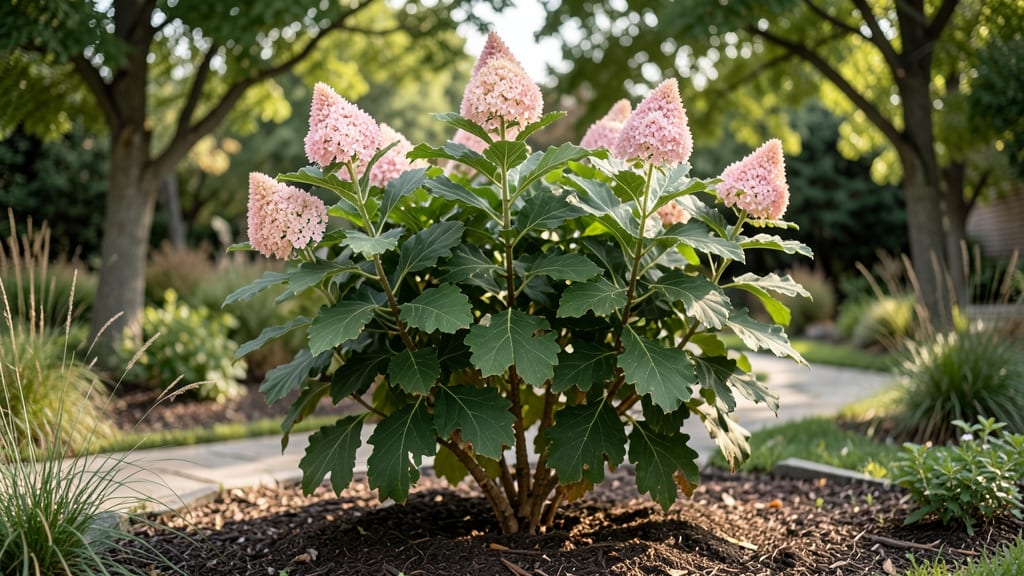
The oakleaf hydrangea height can reach 10-15 feet tall—but that’s only if you let it. 🌿 I’ve pruned mine for years, and the difference between a wild, sprawling shrub and a perfectly shaped garden focal point comes down to timing and technique.
These beauties thrive in partial shade but need guidance to stay within your design vision.
The secret to controlled growth starts with pruning in late winter or early spring, before new buds swell. Cut back last year’s stems by about one-third to encourage bushier growth, and always prune just above a leaf node or outward-facing bud.
Oakleaf hydrangeas bloom on old wood, so avoid heavy pruning in fall—you’ll sacrifice next year’s flowers.
With the right care, you’ll end up with a vibrant, manageable shrub that fits your garden like a glove. The foliage turns stunning shades of burgundy and orange in fall, and the paper-like leaves add texture year-round.
Just remember: patience is key—these plants grow slowly but reward you with dramatic height control over time.
Whether you’re working with a small yard or a sprawling landscape, oakleaf hydrangeas adapt beautifully. For faster results, mulch well and water deeply during the first two years. The payoff? A shrub that’s as stunning as it is well-behaved.
📚 In This Guide
- What you need
- Instructions
- Tips and common mistakes
- Wrapping up and next steps
What you need
- ● Pruning shears: Bypass pruners (sharp, clean, and 5-7 inch blade for precision cuts). 💡 Pro tip: Disinfect blades with rubbing alcohol to prevent disease spread!
- ● Hand pruners: Anvil-style (for thicker stems, up to ½ inch diameter).
- ● Loppers: Bypass loppers (for branches ½ to 1½ inches thick).
- ● Gloves: Heavy-duty gardening gloves (cut-resistant, waterproof).
- ● Rake: Bow rake (for clearing debris, 12-18 inch width).
- ● Pruning saw: Folding pruning saw (for stubborn branches over 1½ inches thick).
- ● Garden twine or zip ties: For staking or securing branches (if needed).
- ● Disinfectant spray: 70% isopropyl alcohol or pruning sealant (to prevent infections).
- ● Plant food: Balanced fertilizer (10-10-10 or 20-20-20) (apply post-pruning for a growth boost).
- ● Mulch: Shredded bark or pine straw (2-3 inches thick to retain moisture).
- ● Measuring tape: For tracking height adjustments (if you’re aiming for a specific look!).
- ● Safety glasses: For protection (especially when handling thick branches).
- ● Know your hydrangea’s age: Young plants (under 3 years) need minimal pruning—focus on shaping, not height reduction.
- ● Check the season: Prune in late winter or early spring (before new growth starts).
- ● Weather readiness: Choose a dry, overcast day to avoid stressing the plant.
- ● Clear the workspace: Remove weeds, rocks, or obstacles within a 3-4 foot radius of the plant.
Step-by-step pruning guide for managing oakleaf hydrangea height
Here’s how I shape these stunning shrubs into perfect-sized focal points—without sacrificing blooms or health.
✂️ Step 1: Choose the Right Time for Pruning
Oakleaf hydrangeas bloom on old wood, meaning last year’s growth produces this year’s flowers. Prune immediately after flowering (late summer to early fall) to avoid cutting off next year’s blooms. If you prune in late winter or early spring, you’ll risk removing flower buds entirely.
Watch for fallen petals—that’s your cue. The shrub’s vibrant foliage also signals readiness. I always prune on a mild, overcast day to reduce stress on the plant. Avoid pruning when temperatures exceed 85°F, as the plant will struggle to recover.
🌿 Step 2: Assess and Plan Your Pruning Cuts
Step back and examine the shrub’s structure. Oakleaf hydrangeas naturally grow 6-10 feet tall, but pruning can keep them between 4-8 feet depending on your space. Identify overcrowded branches—these are thick, leggy stems growing inward or crossing others.
Use a sharp pair of pruning shears (not loppers or hedge trimmers) to make clean cuts. I mark my cuts with a piece of twine tied to the branch—this helps visualize the final shape before making any cuts. Remove dead, diseased, or weak wood first, then focus on shaping the rest.
✂️ Step 3: Thin Out Branches for Airflow and Light
Start by removing 10-20% of the oldest stems at the base. These are the thickest branches, often 3-5 years old, that no longer contribute to new growth. Cut them back to the ground to encourage younger, more vigorous stems to take their place.
Next, thin out crossing or rubbing branches—these create wounds and block airflow. Look for stems growing toward the center of the shrub and prune them back to a side branch or outward-facing bud. This opens up the center, allowing light and air to reach all parts of the plant.
☀️ Step 4: Shape the Shrub for Controlled Height
To maintain a 4-6 foot height, focus on heading back the tallest stems. Cut just above a bud that faces outward—this encourages bushier growth. Avoid cutting back into old wood unless it’s dead or diseased, as this removes potential bloom sites.
Step back frequently to check your progress. The goal is a balanced, rounded shape with no bare spots. If you’re aiming for a taller, more natural look (8-10 feet), simply remove only the lowest branches and avoid heavy pruning of the upper canopy.
💧 Step 5: Post-Pruning Care for Healthy Recovery
Water the shrub deeply after pruning to help it recover. Mulch around the base with 2-3 inches of organic mulch (like shredded bark) to retain moisture and regulate soil temperature. Avoid piling mulch against the stems, as this can cause rot.
Fertilize lightly with a balanced, slow-release fertilizer (10-10-10) in early spring to support new growth. Oakleaf hydrangeas are drought-tolerant once established, but consistent moisture during the first 4-6 weeks after pruning ensures strong regrowth. Avoid heavy pruning in the following year to allow the plant to recover fully.
Tips & tricks for perfect oakleaf hydrangea pruning
Mastering the art of pruning oakleaf hydrangeas takes practice, but these insights will help you achieve that ideal height without sacrificing those stunning blooms.
Timing Secret: The late summer to early fall window is non-negotiable for oakleaf hydrangeas. I've learned this the hard way—pruning too early can remove next year's flower buds entirely. Look for those telltale fallen petals as your cue, and always schedule your pruning for a mild, overcast day. This timing ensures you're working with the plant's natural growth cycle while minimizing stress. The temperature threshold of 85°F is critical—above this, the plant's recovery becomes compromised.
Visual Cue Technique: Before making any cuts, step back and visualize your final shape. I tie a piece of twine around each branch I plan to cut—this creates a physical map of my intended pruning. For those 10-20% oldest stems at the base, look for branches that are thicker than your thumb and have a woody texture. These are the ones that need to be cut back to the ground to encourage vigorous new growth. The twine trick helps me avoid over-pruning and maintain that balanced, rounded silhouette.
Bud Direction Matters: When shaping your hydrangea, always cut just above an outward-facing bud. This simple technique encourages bushier growth and prevents that leggy look. I train myself to look for buds that point in the direction I want new growth to go—this creates a more uniform shape. For the tallest stems, focus on heading them back to maintain that 4-6 foot height range, but be cautious not to cut into old wood unless it's clearly dead or diseased.
Recovery Strategy: After pruning, the first 4-6 weeks are crucial for recovery. I've found that deep watering immediately after pruning makes all the difference—think of it as giving your hydrangea a refreshing drink after its haircut. The 2-3 inches of organic mulch acts like a cozy blanket, helping regulate soil temperature while retaining moisture. This post-pruning care routine prevents transplant shock and sets the stage for strong regrowth. Remember, patience is key—avoid heavy pruning the following year to let your plant fully recover.
Pro Tips for Oakleaf Hydrangea Height
- Mastering the art of pruning oakleaf hydrangeas takes practice, but these insights will help you achieve that ideal height without sacrificing those stunning blooms.
- Timing Secret: The late summer to early fall window is non-negotiable for oakleaf hydrangeas.
- Visual Cue Technique: Before making any cuts, step back and visualize your final shape.
Frequently asked questions
Got questions about managing your oakleaf hydrangea’s height?
You’re not alone! Here are answers to the most common queries—from pruning tips to troubleshooting—so you can keep your shrub lush and under control.
How tall do oakleaf hydrangeas typically grow?
Oakleaf hydrangeas (Hydrangea quercifolia) can reach 8–12 feet tall and 6–10 feet wide if left unpruned. However, with regular pruning (especially in late winter), you can keep them between 4–6 feet tall—ideal for foundation plantings or mixed borders. Pro tip: Dwarf varieties like ‘Snow Queen’ max out at 3–4 feet!
When is the best time to prune for height control?
The best time to prune is late winter or early spring (before new growth starts). Avoid pruning in fall—it can stimulate tender growth that may frost damage. For height control, focus on removing 1/3 of the tallest stems at the base, cutting just above a bud or lateral branch. Note: Oakleaf hydrangeas bloom on old wood, so avoid heavy pruning in summer!
Why is my oakleaf hydrangea growing too tall too fast?
Rapid height growth often signals over-fertilization (especially with nitrogen) or poor pruning habits. To fix it:
Yes! To dwarf an oakleaf hydrangea, combine these steps:
Oakleaf hydrangeas bloom on old wood, so pruning in summer or fall risks removing next year’s flower buds. If you’ve already pruned too late:
Quick fix: Thin out crowded stems to improve airflow and discourage vertical sprawl.
Can I keep an oakleaf hydrangea under 4 feet tall?
Warning: Heavy pruning may reduce blooms temporarily, but growth will compact over time.
What if I prune at the wrong time and lose flowers?
Good news: Oakleaf hydrangeas are forgiving and often rebound with vibrant foliage even if blooms are sparse!
Wrapping up and next steps
Mastering the oakleaf hydrangea height is all about balance—pruning with care, timing, and the right tools to shape your plant without stressing it. Whether you’re aiming for a compact shrub or a towering focal point, consistency and patience will yield the best results. 🌿
Ready to transform your garden? Start by observing your hydrangea’s growth habits and experimenting with pruning techniques. Before you know it, you’ll have a stunning, well-controlled oakleaf hydrangea that’s the envy of the neighborhood!