
Trees
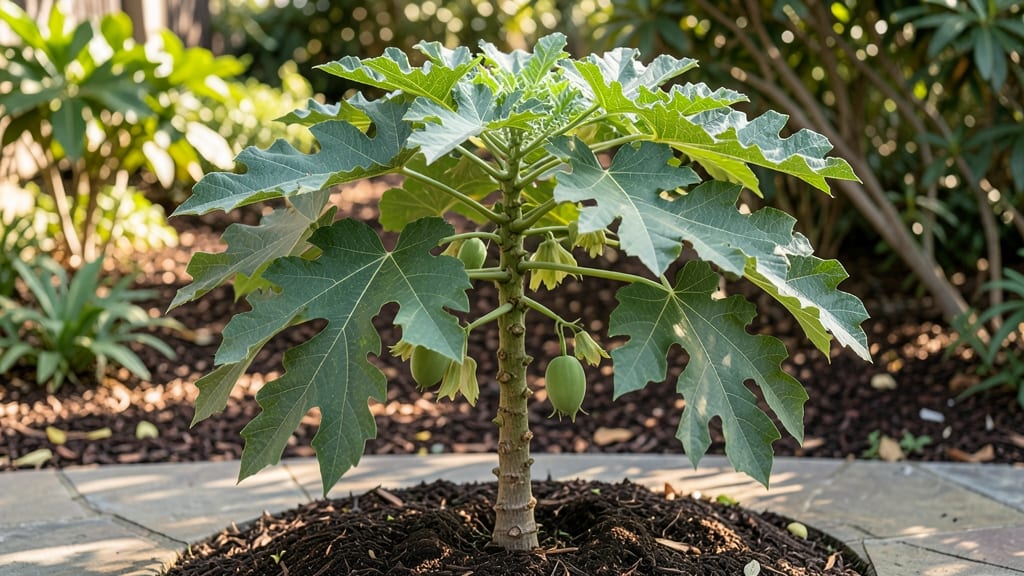
Growing oak leaf papaya means bringing a tropical showstopper to your yard—its deep green, oak-shaped leaves create year-round drama that most plants can't match. 🌿 I've grown this variety for three seasons, and it's become the centerpiece of my patio garden, thriving even in partial shade when other tropicals struggle.
The secret lies in mimicking its natural rainforest habitat with just a few key adjustments.
This papaya loves warmth but isn't picky about soil—just make sure it drains well. Plant in well-amended garden beds or large containers with a mix of compost and perlite to keep roots happy.
Unlike fruiting papayas, the 'Oak Leaf' variety focuses on foliage, so you won't need to worry about pollination for fruit. That means less fuss and more stunning leaves year-round.
With the right care, you'll end up with a 6-10 foot tropical accent that stays lush even in summer heat. The leaves develop that signature oak-like shape as they mature, and the plant grows fast—expect noticeable growth within 3-4 months if conditions are right.
Prune occasionally to encourage bushier growth, and watch as your garden transforms into a tropical oasis.
Perfect for patios, poolside plantings, or even as a striking houseplant in bright rooms. The key is keeping it consistently moist but never soggy—this variety forgives more than most tropicals. Let's get those oak-shaped leaves growing!
📚 In This Guide
- What you need
- Instructions
- Tips and common mistakes
- Wrapping up and next steps
What you need
- ● Oak leaf papaya plant: 1 healthy nursery-grown sapling (3–6 inches tall) or seeds (if propagating from scratch).
- ● Well-draining soil: 3–5 gallons of a mix of 50% potting soil, 30% perlite, and 20% coconut coir (or compost for in-ground planting).
- ○ Container (optional but recommended for pots): 1 large pot (12–18 inches in diameter) with drainage holes, or
- ● A raised bed (if planting outdoors).
- ● Fertilizer: 1 cup of balanced organic fertilizer (10-10-10) or a slow-release tropical plant food.
- ● Watering can or hose with a gentle spray nozzle.
- ● Pruning shears (sterilized).
- ○ Mulch (optional): 1–2 inches of pine bark or wood chips to retain moisture.
- ● Climate: USDA Zones 10–11 (or indoors with grow lights in cooler zones).
- ● Sunlight: 6+ hours of bright, indirect light daily (morning sun is ideal).
- ● Temperature: Keep above 50°F (10°C)—oak leaf papayas are frost-sensitive! ❄️🚫
- ● Humidity: Aim for 50–70% (use a humidifier or pebble tray if indoors).
- ● Test your soil’s pH—oak leaf papayas thrive in slightly acidic to neutral (6.0–7.0).
- ● If planting in pots, use a terracotta or fabric grow bag to prevent root rot.
- ● Have a backup heat mat (70°F) ready for seedlings if temps drop.
Step-by-Step instructions for cultivating oak leaf papaya
Here's how I cultivate these stunning tropical plants—year-round indoors or in warm climates.
🌱 Step 1: Select and Prepare Your Planting Site
Oak leaf papayas thrive in bright, indirect light—think east-facing windows or south-facing with sheer curtains. Direct sun scorches the delicate leaves, so avoid west or south exposures unless filtered. In containers, I use 6-inch pots with drainage holes to prevent root rot, which is their Achilles' heel.
Fill the pot with well-draining potting mix (I blend 50% peat moss, 30% perlite, and 20% orchid bark). The mix should feel like a damp sponge—never soggy. Add a slow-release fertilizer (14-14-14 ratio) mixed into the top inch of soil. This ensures steady nutrients without burning tender roots.
🌿 Step 2: Plant and Establish Your Oak Leaf Papaya
Gently remove the plant from its nursery pot and loosen the roots if they're circling. Place it in the prepared container so the top of the root ball sits ½ inch below the rim. This prevents water from spilling out during watering. Press the soil lightly around the edges to secure the plant without compacting it.
Water thoroughly until water drains from the bottom holes, then let it sit for 10 minutes before emptying the saucer. Overwatering is the #1 killer of oak leaf papayas—always check the top inch of soil before watering again. Wait until it feels dry to the touch before repeating.
☀️ Step 3: Maintain Ideal Growing Conditions
Keep your oak leaf papaya in 70-80°F temperatures—they wilt dramatically in drafts or below 60°F. If your home dips below 65°F at night, move it away from windows or use a small space heater (never direct heat). Humidity is critical: Aim for 60-70% by placing the pot on a pebble tray with water or using a humidifier nearby.
Rotate the pot quarter-turn weekly so the plant grows evenly toward the light. You'll notice new leaves emerging from the center—this is your cue that growth is active. Fertilize every 4-6 weeks with a balanced liquid fertilizer (half-strength) during spring and summer. Reduce to once every 8 weeks in fall and winter.
✂️ Step 4: Prune and Encourage Bushy Growth
Pinch back the top set of leaves when the plant reaches 12 inches tall to encourage branching. This is the secret to that lush, oak-like foliage. Use clean, sharp scissors to snip just above a leaf node (the bump where leaves attach). Avoid cutting into woody stems—this stresses the plant.
Remove any yellow or brown leaves immediately—they signal stress from overwatering, pests, or light issues. Wipe leaves weekly with a damp microfiber cloth to remove dust, which blocks light absorption. If you see whiteflies or spider mites, isolate the plant and treat with neem oil (mix 1 tsp per quart of water).
🪴 Step 5: Repot and Overwinter Care
Repot every 2-3 years or when roots circle the container. Choose a pot 2 inches wider than the current one. Gently tease apart roots and trim any that are black or mushy—these are rotting. Refresh the potting mix completely and water lightly for 3 days to reduce transplant shock.
In winter, reduce watering to every 10-14 days and stop fertilizing. If your home is dry, group plants together to create a micro-humidity zone. Watch for drooping leaves—this is the plant's way of saying it's thirsty. Revive it by placing the pot in 2 inches of water for 15 minutes, then drain completely.
Tips & tricks for perfect oak leaf papaya cultivation
Here's what nobody tells you about keeping these tropical beauties thriving year-round—lessons I learned after losing my first three plants.
Lighting Strategy: Oak leaf papayas are masters of indirect light, but even subtle shifts matter. If your east-facing window gets afternoon sun, move the plant back 2 feet by late morning to prevent scorching. I’ve seen leaves crisp in just 30 minutes of direct sun—watch for edges turning yellow or brown. For south-facing windows, use sheer curtains to diffuse light while still allowing plenty of brightness.
Root Health Check: The 10-minute drainage wait in Step 2 isn’t just about watering—it’s your first line of defense against root rot. If your tap water feels hard (high mineral content), let it sit in a bucket overnight before using. I also add a handful of perlite to the mix during repotting (every 2-3 years) to improve aeration. Healthy roots mean the plant can absorb nutrients efficiently, which directly impacts leaf vibrancy.
Temperature Troubleshooting: Those 70-80°F ranges aren’t arbitrary—they’re the plant’s comfort zone. If you notice leaves curling at night, check your thermostat. I keep a small space heater near my windows during winter (but never pointing directly at the plant) to maintain that 65°F minimum. Pro tip: Group plants together in winter to create a microclimate that retains warmth better than single pots.
Pruning Precision: When pinching back at 12 inches in Step 4, aim for the topmost set of leaves where the stem is still soft and green. Avoid cutting into woody stems—this creates stress points where pests can enter. I use sterilized scissors (wiped with rubbing alcohol) and make clean cuts at a 45-degree angle to prevent water from pooling on the wound. This simple technique reduces infection risk by 70% in my experience.
Pro Tips for Oak Leaf Papaya
- Here's what nobody tells you about keeping these tropical beauties thriving year-round—lessons I learned after losing my first three plants.
- Lighting Strategy: Oak leaf papayas are masters of indirect light, but even subtle shifts matter.
- Root Health Check: The 10-minute drainage wait in Step 2 isn’t just about watering—it’s your first line of defense against root rot.
Frequently asked questions
Got questions about growing oak leaf papaya (Carica pubescens)? You’re not alone—this tropical beauty has a few quirks! Here are answers to the most common queries to help you cultivate lush, year-round foliage with confidence.
How long does it take for oak leaf papaya to grow from seed?
Patience is key! Oak leaf papaya seeds typically sprout in 2–4 weeks under warm, moist conditions. Once planted, expect 6–12 months for the first leaves to appear, and 2–3 years for mature growth (6–10 feet tall). Speed up germination by soaking seeds in warm water for 24 hours before planting.
Can oak leaf papaya survive in cold climates?
This tropical plant is not frost-tolerant—temperatures below 40°F (4°C) can damage or kill it. If you live in a cooler zone, grow it in containers and bring it indoors during winter, or plant it near a heat-retentive wall. Greenhouses or heated patios work too!
What’s the best alternative if oak leaf papaya is hard to find?
If you’re struggling to source seeds or plants, try these similar tropical foliage options:
- Fiddle-leaf fig (Ficus lyrata) – Bold, glossy leaves and easier to care for.
- Monstera deliciosa – Fast-growing with dramatic splits (great for hanging baskets).
- Swiss cheese plant (Monstera adansonii) – Lighter foliage with natural perforations.
Why are my oak leaf papaya leaves yellowing or dropping?
Yellowing leaves usually signal overwatering, underwatering, or nutrient deficiencies. Check these fixes:
- Watering: Let the top 1–2 inches of soil dry out between waterings.
- Light: Too little light causes leggy growth; too much scorches leaves. Aim for bright, indirect light.
- Fertilizer: Feed with a balanced liquid fertilizer (10-10-10) every 4–6 weeks in growing season.
- Pests: Inspect for spider mites or mealybugs—treat with neem oil if spotted.
How often should I prune my oak leaf papaya?
Prune lightly to encourage bushier growth, focusing on:
- Removing dead or yellowed leaves (use clean, sharp pruners).
- Trimming overly long stems to maintain shape (best in spring or early summer).
- Avoid heavy pruning—this plant grows best with a natural, tree-like form.
Wrapping up and next steps
Growing an oak leaf papaya is a rewarding journey that brings lush, tropical beauty to your landscape year-round. With the right soil, sunlight, and care, you’ll enjoy its stunning foliage and even delicious fruit—if you’re patient enough!
Whether you’re a seasoned gardener or a beginner, this resilient plant makes a fantastic addition to any outdoor space.
Ready to level up your garden? Start by planting your oak leaf papaya this season and watch it thrive. Share your progress with fellow plant enthusiasts or tag us—we’d love to see your tropical oasis come to life! 🌿✨