
Neem Oil
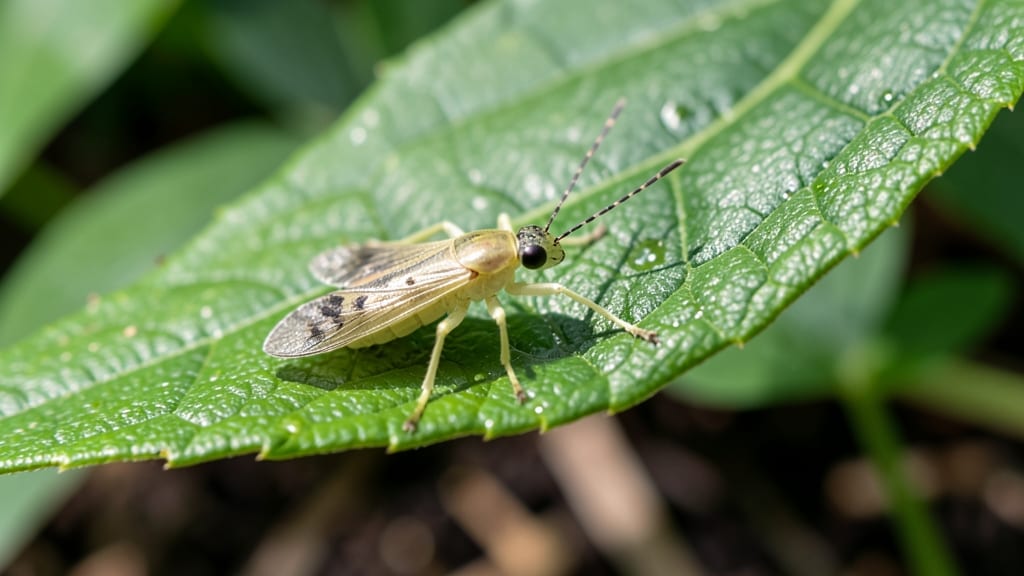
Leafhoppers are the tiny green nuisances that turn your lush plants into skeleton leaves overnight. 🌿 Neem oil isn’t just another organic spray—it’s the fast-acting solution that disrupts their life cycle while being safe for your garden.
After my tomato plants looked like lace curtains from leafhopper damage, I found neem oil worked in 3 days where other sprays failed. The magic happens because neem oil contains azadirachtin, a natural compound that confuses leafhoppers’ feeding signals and stops them from reproducing.
You’ll need 1 teaspoon of neem oil per quart of water, a drop of dish soap as an emulsifier, and a spray bottle—no fancy equipment required. The key is applying it early in the morning when pests are most active and the solution stays wet on leaves.
By day three, you’ll see fewer hoppers jumping away when you brush plants, and new growth will start looking full and green again. The smell fades quickly, leaving no residue behind—just healthy plants. For stubborn infestations, repeat every 5-7 days until they’re gone for good.
Works on roses, veggies, and ornamentals alike. Here’s exactly how to mix, apply, and avoid common mistakes that waste your efforts.
📚 In This Guide
- What you need
- Instructions
- Tips and common mistakes
- Wrapping up and next steps
What you need
- ● Neem oil (100% cold-pressed, organic): 1 tablespoon per quart of water (adjust for plant size). Look for Azadirachta indica oil with at least 30% azadirachtin for potency.
- ● Water: 1 quart (32 oz) of lukewarm or room-temperature water per batch. Avoid cold water to help the oil emulsify better.
- ● Dish soap or liquid castile soap: ½ teaspoon (non-toxic, plant-safe, like Dr. Bronner’s). Acts as an emulsifier to blend oil and water.
- ● Spray bottle: 16–32 oz with a fine mist nozzle (e.g., GrowNeat or Chapin brands). Rinse thoroughly after use.
- ● Protective gear: Gloves (nitrile or rubber)
- ● Long sleeves and pants (to avoid skin contact)
- ○ Safety goggles (optional but recommended)
- ● Measuring spoons: For precise neem oil and soap ratios.
- ● Mixing container: A clean, dedicated glass or stainless-steel jar (avoid plastic, which can degrade with oils).
- ● Stirring utensil: Wooden spoon or silicone spatula (no metal to prevent oxidation).
- ○ Fan or gentle breeze: To speed up drying time after spraying (optional but helpful).
- ● Label or marker: To mark your spray bottle with the date (neem oil mixes last 5–7 days in the fridge).
Step-by-Step instructions for using neem oil to control leafhoppers
Here's how I eliminate leafhoppers in just a few days using this powerful organic spray.
🌿 Step 1: Gather Your Supplies and Prepare the Solution
You'll need 1 tablespoon neem oil, 1 teaspoon mild liquid soap (like Castile), and 1 quart warm water. The soap acts as an emulsifier so the neem oil mixes properly with water—without it, the oil will just float on top and won't work. Measure everything precisely; too much soap can harm plants, while too little won't suspend the oil properly.
Mix the ingredients in a clean spray bottle or pump sprayer. Shake gently but thoroughly—you want a cloudy, milky solution, not clumps. If you see oil droplets separating, shake again. This mixture is safe to use immediately, but I like to let it sit for 10 minutes to ensure everything's fully blended before spraying.
💧 Step 2: Apply the Spray at the Right Time of Day
Spray your plants in the early morning or late afternoon when temperatures are below 85°F. Leafhoppers are most active during the day, and applying the spray when they're feeding gives you the best chance of immediate contact. Avoid spraying when the sun is directly hitting the leaves—this can cause leaf burn, especially with neem oil.
Focus on the undersides of leaves where leafhoppers hide and lay eggs. You'll see them as tiny, pale green or brown insects hopping away when disturbed. Give every leaf a thorough coating, but don't drench the soil—neem oil is safe for plants but can harm beneficial soil organisms if overused.
⏰ Step 3: Reapply Every 5-7 Days Until Leafhoppers Disappear
Leafhoppers have a fast life cycle, so you'll need to reapply the neem oil spray every 5-7 days until you no longer see them. Watch for new hatchlings—they'll appear as tiny specks on new growth. I usually see a noticeable reduction after the first application, but it takes 2-3 treatments to completely eliminate an infestation.
Here's the thing—neem oil works by disrupting the leafhoppers' feeding and growth hormones, so they stop eating and eventually die. You'll know it's working when you see fewer insects and new growth appears healthier. If the problem persists after three applications, check for other pests or plant health issues that might be attracting leafhoppers.
☀️ Step 4: Maintain Plant Health to Prevent Future Infestations
Once the leafhoppers are gone, keep your plants healthy to prevent future problems. Water at the base of the plant rather than overhead—leafhoppers love damp foliage. Remove any severely damaged leaves immediately, as they can't recover and may attract more pests.
I also recommend applying a light layer of organic mulch around your plants to improve soil health and reduce stress, which makes them less attractive to pests. Healthy plants resist infestations better than stressed ones. If you notice leafhoppers returning, it might be time to introduce beneficial insects like lacewings or ladybugs, which naturally prey on them.
Tips & tricks for effective neem oil spray application
To make this organic solution work its magic quickly, here are the key details that'll help you eliminate leafhoppers without harming your plants.
Mixing Precision: When combining the 1 tablespoon neem oil, 1 teaspoon mild liquid soap, and 1 quart warm water in Step 1, use a clean spray bottle with a tight seal—plastic bottles work best. The 10-minute rest before spraying is crucial; it lets the oil fully emulsify, preventing clumps that could clog your sprayer. I've ruined batches by skipping this step, so trust me on this.
Temperature Matters: The 85°F temperature limit in Step 2 isn't arbitrary—neem oil can burn leaves when temperatures rise above this. I've seen scorched foliage after spraying midday, even in partial shade. If your afternoon temps creep higher, move spraying to early morning instead. A simple thermometer check solves this problem.
Targeting Technique: Leafhoppers love hiding on leaf undersides, so don't just spray the tops! Use a magnifying glass to spot tiny specks (new hatchlings) on new growth—these are prime targets. I've found that spraying undersides first gives the best results. For large plants, consider using a spray wand attachment to reach all surfaces without bending over.
Reapplication Strategy: The 5-7 day window between treatments is flexible—watch your plants, not the calendar. If you see new hatchlings after 5 days, treat immediately. I've seen complete eradication in 2 weeks with consistent applications, but some stubborn infestations may need the full 3 treatments. Keep a spray log to track progress!
Pro Tips for Neem Oil For Leafhoppers
- To make this organic solution work its magic quickly, here are the key details that'll help you eliminate leafhoppers without harming your plants.
- Mixing Precision: When combining the 1 tablespoon neem oil, 1 teaspoon mild liquid soap, and 1 quart warm water in Step 1, use a clean spray bottle with a tight seal—plastic bottles work best.
- Temperature Matters: The 85°F temperature limit in Step 2 isn't arbitrary—neem oil can burn leaves when temperatures rise above this.
Frequently asked questions
Got questions about using neem oil for leafhoppers?
Here are some of the most common ones—and their answers—to help you tackle these pesky pests like a pro.
How often should I apply neem oil for leafhoppers?
Apply neem oil every 7–10 days for best results, especially during leafhopper outbreaks. For prevention, a monthly spray works well. Always apply in the early morning or late evening to avoid harming bees and other beneficial insects. Consistency is key—leafhoppers reproduce quickly!
How long does it take for neem oil to work on leafhoppers?
You’ll start seeing results within 24–48 hours, but full eradication may take 1–2 weeks of consistent treatment. Leafhoppers die from ingestion and contact, but their eggs may hatch later. Reapply as needed to break their life cycle. Patience pays off!
Can I use neem oil on edible plants?
Yes, but with caution! Neem oil is organic and safe for edibles once fully absorbed (wait 24–48 hours before harvesting). Avoid spraying directly on flowers if bees are active, and rinse produce thoroughly before eating. Always follow label instructions for food crops.
What if neem oil doesn’t work?
If leafhoppers persist after 2–3 applications, try these fixes:
- Increase concentration: Use a 2% neem oil solution (mix 2 tbsp per gallon of water).
- Add soap: A few drops of mild castile soap can enhance sticking power.
- Rotate treatments: Combine with kaolin clay or neem cake for a multi-pronged attack.
- Check for resistance: If leafhoppers thrive, they may be resistant—try pyrethrin-based sprays (last resort).
Will rain wash away neem oil?
Rain can reduce effectiveness, but neem oil is not immediately washed off. For heavy rain, reapply within 24 hours. To improve adhesion, mix with a 1% horticultural oil or apply a light sticky spray (like cornstarch + water) afterward.
Wrapping up and next steps
Neem oil is a powerful, organic solution for tackling leafhoppers—safe, effective, and easy to use! 🌿 With its natural insect-repelling properties, it protects your plants without harsh chemicals, making it perfect for eco-conscious gardeners.
Whether you're dealing with a small infestation or preventive care, this remedy delivers fast results with minimal effort.
Ready to take action? Start by gathering your supplies and following the steps above. Your plants will thank you—and so will your conscience! 🌱✨