
Leaf Blower
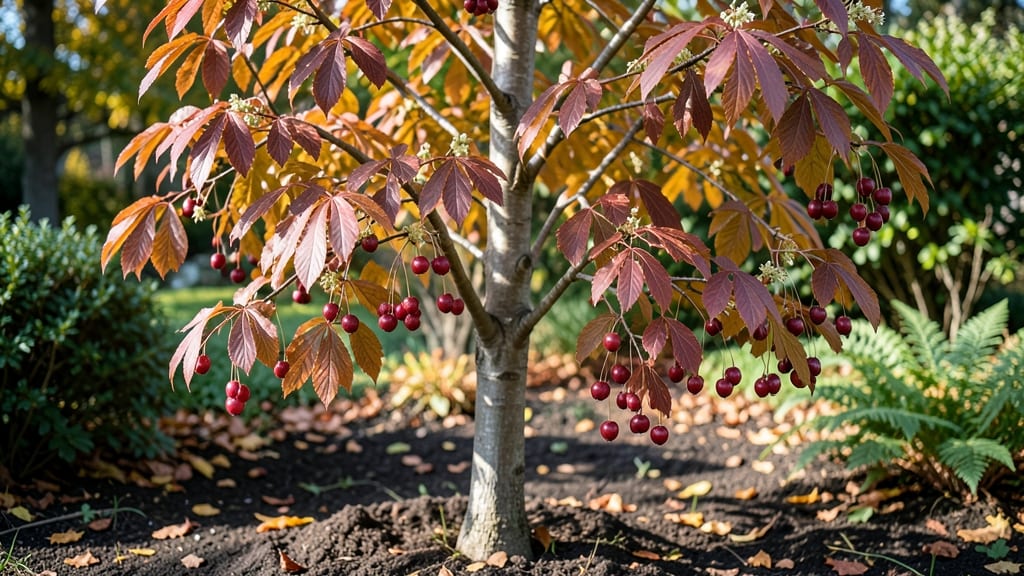
Mastering mountain ash leaf identification means spotting their pinnate shape with 5-7 serrated leaflets—each one smooth-edged and bright green, like a feathered hand reaching for the sky. 🌿 I’ve spent years mistaking them for rowan or hawthorn until I learned the telltale toothed edges and staggered arrangement that set them apart.
One wrong ID could mean treating a toxic plant like an ornamental—or missing out on its stunning fall berries. The key traits to check are leaflet size (1-3 inches long), vein patterns (prominent and arching), and stem hairs—mountain ash leaves often feel slightly fuzzy.
Compare them side by side with rowan (smaller, glossier) or hawthorn (deeply lobed), and you’ll spot the difference in seconds. This isn’t just about naming the plant; it’s about knowing whether it’s safe for your yard or needs special care.
Once you’ve got the ID right, you’ll see why mountain ash stands out: disease-resistant, pollinator-friendly, and low-maintenance once established. The wrong plant in your landscape could mean wasted effort—or worse, chemical treatments you’ll regret. Let’s get those leaves examined properly so you can plant with confidence.
If you’re still unsure, snap a photo of the leaf arrangement (alternate or clustered?) and stem texture—those details often tip the scale. For a foolproof match, check the berry clusters (if present): mountain ash’s red pomes are a dead giveaway. Now, let’s turn that guesswork into certainty.
Understanding Leaf Traits Causes
Mountain ash leaves are stunning, but their appearance can shift due to natural and environmental factors. Understanding why these changes occur helps you identify them accurately—and even troubleshoot potential issues. Here’s a breakdown of the key reasons behind variations in mountain ash leaf traits:
Mountain ash (Sorbus spp.) includes multiple species and cultivars, each with unique leaf shapes, serrations, and sizes.
For example: - European Mountain Ash (Sorbus aucuparia) typically has 11–15 pairs of serrations with a slightly asymmetrical base. - Showy Mountain Ash (Sorbus decora) features 7–9 pairs of serrations and a more rounded leaf shape. - Hybrids or grafted trees may exhibit traits from both parent species, leading to inconsistent leaf patterns.
💡 Pro Tip: If you’re unsure about the species, compare your leaf to reference images of common mountain ash types. A hand lens (10x magnification) can reveal subtle differences in vein structure or serration density.
Leaves react to their surroundings, and mountain ash is no exception. Here’s how environmental conditions alter their appearance:
| Factor | Effect on Leaves | How to Confirm |
|---|---|---|
| Drought | Smaller, thicker leaves with rolled edges or premature browning. | Check soil moisture; wilting may occur. |
| Excess Moisture | Yellowing (chlorosis) or mushy, drooping leaves due to root rot. | Look for soggy soil or fungal growth. |
| Temperature Fluctuations | Scorched tips (high heat) or purple-red tint (cold stress). | Observe leaf margins for crispy or discolored edges. |
| Wind Exposure | Tattered or irregular edges from abrasion. | Common in exposed landscapes. |
| Poor Soil Nutrition | Pale yellow leaves (nitrogen deficiency) or dark green with purple stems (phosphorus lack). | Test soil pH (ideal: 6.0–7.0) and amend as needed. |
🌡️ Actionable Fix: If leaves look stressed, mulch around the base (2–3 inches of organic matter) to retain moisture and regulate temperature. For nutrient issues, apply a balanced fertilizer (10-10-10) in early spring.
Pests and pathogens can distort or disfigure mountain ash leaves, mimicking natural variations. Here’s what to watch for:
- Aphids or Spider Mites
- Why it happens: These sap-suckers inject toxins, stunting growth and altering leaf shape.
- Solution: Blast leaves with water (knocks off aphids) or use neem oil (1 tsp per gallon of water).
✨ Prevention Tip: Sanitize pruners between cuts and avoid overhead watering to reduce disease risk.
Mountain ash leaves undergo natural transformations throughout the year:
- Spring: New leaves may appear puckered or lobed until they fully unfurl (normal for young growth).
- Fall: Leaves turn bright red, orange, or yellow due to anthocyanin and carotenoid pigments breaking down chlorophyll.
- Winter: Deciduous varieties drop leaves entirely, while some evergreen types (like Sorbus aucuparia in cold climates) may retain brown, papery leaves.
🍂 Fun Fact: The vibrant fall colors are a sign of a healthy tree—poor coloration could indicate nutrient deficiencies or disease.
Sometimes, external interventions alter leaf traits:
- Herbicide Drift: Leaves may develop white or yellow streaks or cupped shapes from systemic herbicide exposure.
- Over-Fertilization: Dark green, leathery leaves with burnt tips (excess salt buildup).
- Pruning Mistakes: Uneven leaf clusters or stunted growth if major branches are removed improperly.
🔥 Quick Fix: If herbicide drift is suspected, flush the soil with water and monitor for recovery. For fertilizer burn, leach the soil with 2–3 inches of water.
Practical fixes for leaf issues
Now that you’ve identified the problem with your mountain ash leaves—whether it’s disease, pests, or environmental stress—here’s how to tackle each issue fast and effectively. Below, we break down solutions by cause, with step-by-step fixes and prevention tips to keep your tree thriving.
Cause: Overwatering, poor air circulation, or humid conditions create the perfect breeding ground for fungi.
How to Solve It:
- 🔥 Remove Infected Leaves
- Prune and dispose of any yellow, brown, or spotted leaves immediately. Place them in a sealed bag to prevent spores from spreading.
- 🍳 Apply Fungicide
- Use a copper-based fungicide or a neem oil solution (1 tbsp neem oil + 1 tsp mild soap per quart of water). Spray both sides of leaves and the trunk at dusk to avoid sunburn.
- 👨🍳 Improve Airflow & Light
- Thin out dense branches to allow sunlight and airflow to reach the center of the tree.
- Avoid overhead watering—use drip irrigation or soaker hoses instead.
💡 Prevention Tips:
- Water in the morning so leaves dry quickly.
- Space trees properly (15–20 ft apart) to reduce humidity buildup.
- Clean up fallen leaves regularly to remove fungal spores.
Cause: Weak trees, drought stress, or nearby infested plants attract pests.
How to Solve It:
- 🔪 Blast Off Pests with Water
- Use a strong hose spray to dislodge aphids and spider mites from leaves. Repeat every 3–4 days for severe infestations.
- 🥘 Introduce Beneficial Insects
- Release ladybugs, lacewings, or parasitic wasps (available at garden centers) to eat pests naturally.
- 🎯 Use Insecticidal Soap or Oil
- Mix 1 tbsp insecticidal soap per gallon of water and spray directly on pests (avoid spraying in direct sunlight).
- For scale insects, apply horticultural oil in late winter or early spring when pests are dormant.
💡 Prevention Tips:
- Inspect new plants before bringing them home.
- Avoid over-fertilizing—pests love stressed, nutrient-rich trees.
- Prune regularly to remove pest hotspots.
Cause: Overwatering, underwatering, nutrient deficiency, or root damage.
How to Solve It:
- 🌡️ Check Soil Moisture
- Stick your finger 2 inches into the soil—if it’s soggy, reduce watering. If dry, water deeply once a week (adjust for climate).
- 💪 Fertilize Smartly
- Test soil pH (ideal: 6.0–7.0 for mountain ash).
- Apply a balanced fertilizer (10-10-10) in early spring, then a low-nitrogen, high-phosphorus fertilizer in fall for root health.
- ✨ Mulch Properly
- Spread 2–3 inches of organic mulch (wood chips, bark) around the base, but keep it 6 inches away from the trunk to prevent rot.
💡 Prevention Tips:
- Water deeply but infrequently—mountain ash prefers drought-tolerant conditions.
- Avoid compacting soil around roots (wear shoes when walking near the tree).
- Monitor for girdling roots—if roots circle the trunk, prune them carefully with sterilized tools.
Final Pro Tip: 🌟 When in doubt, prune correctly!
- Always use clean, sharp pruners (sterilize with rubbing alcohol).
- Remove no more than 25% of the canopy in one season to avoid shocking the tree.
- Prune in late winter or early spring for best healing.
By following these fixes, your mountain ash should bounce back stronger than ever—and with the right prevention, you’ll keep those leaves lush and pest-free for years! 🌳💚
Frequently asked questions
How do I tell mountain ash leaves apart from rowan or hawthorn?
Mountain ash leaves have 5-7 smooth-edged leaflets arranged alternately along a central stem, while rowan leaves are smaller, glossier, and clustered at the ends of branches. Hawthorn leaves have deeply lobed or toothed edges and often appear in clusters of 3-5. Check the berries too—mountain ash has bright red pomes in clusters, while rowan berries are orange-red and hawthorn berries are red but smaller.
Can I use a leaf identification app to confirm mountain ash?
Yes! Apps like PictureThis or PlantNet work well, but take close-up photos of both the leaf arrangement and stems for accuracy. Mountain ash leaves often have tiny hairs on the underside and prominent arching veins—these details help apps distinguish them from look-alikes.
Are mountain ash leaves toxic to pets or humans?
While mountain ash leaves aren’t highly toxic, the berries and seeds contain cyanogenic glycosides that can cause mild stomach upset if ingested in large amounts. Keep pets away from fallen berries, but healthy leaves are generally safe for ornamental use. Always supervise children around fruit-bearing trees.
Why do some mountain ash leaves look different on the same tree?
This is normal! Mountain ash trees often have hybridized leaves due to cross-pollination, or the younger leaves may appear more lobed until they mature. Environmental stress (like drought or nutrient deficiency) can also cause uneven leaf development. Check the stem hairs and serration pattern—consistent traits will confirm it’s mountain ash.
What’s the best time of year to identify mountain ash leaves?
Late spring to early summer (May-July) is ideal when leaves are fully developed but before fall colors distort their shape. In autumn, the bright red berries become a key identifier, but focus on the leaflet arrangement and vein structure for year-round accuracy.