
Planting
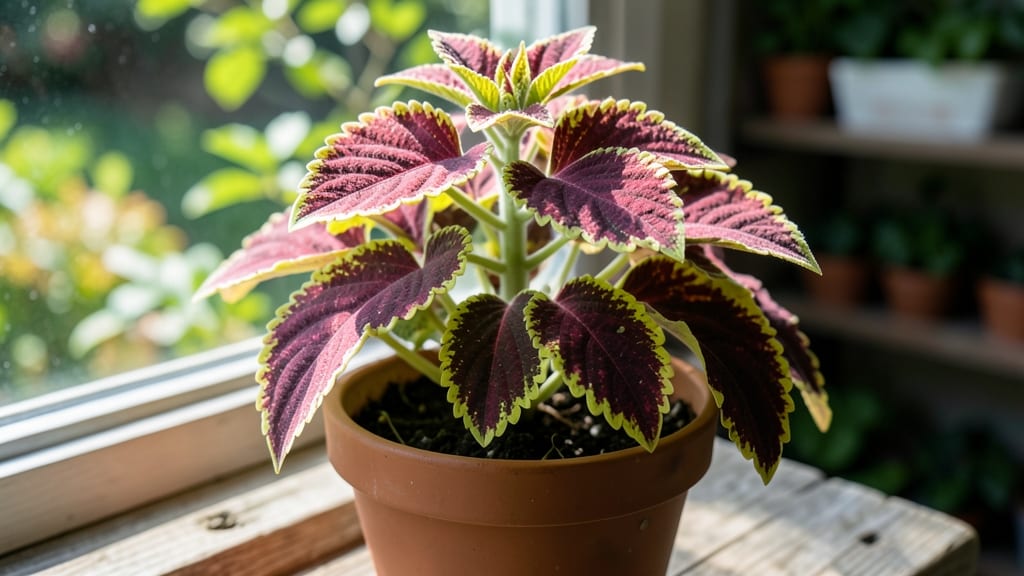
A modified leaf of a plant develops specialized forms like spines, tendrils, or bulbils to perform unique roles—such as protection, support, or water storage—rather than photosynthesis, which is the primary function of true leaves.
A modified leaf of a plant transforms its structure to meet survival challenges that typical leaves can't handle. 🌵 For example, cactus spines reduce water loss while still providing shade, and pitcher leaves in carnivorous plants trap insects to supplement nutrients.
These adaptations often replace photosynthesis entirely, making them more efficient in harsh conditions like deserts or nutrient-poor soils. The trade-off? While true leaves focus on energy production, modified leaves prioritize functions like defense or reproduction—think of bulbils in onions that grow into new plants instead of photosynthesizing.
What's fascinating is how these modifications reflect evolutionary pressures. A plant might convert its leaves into tendrils to climb toward sunlight or into storage organs to survive droughts. In my garden, I've noticed acacia phyllodes—flattened stems that mimic leaves—thrive where true leaves would dry out.
The key takeaway? Modified leaves aren't just variations; they're survival strategies with specialized roles that redefine what a "leaf" can do.
💡 In This Article
- How Modified Leaves Adapt for Survival and Function
- Identifying Common Plant Modified Leaves and Their Roles
How modified leaves adapt for survival and function
Modified leaves evolve through a process called heterophylly, where a plant develops structurally distinct leaves in response to environmental pressures. Unlike true leaves, which prioritize photosynthesis with broad surfaces and vascular networks, modified leaves undergo morphological changes at the cellular level.
For example, cactus spines start as modified leaf buds where the photosynthetic tissue collapses into a dense, waterproof structure, while the stem takes over photosynthesis. This adaptation reduces surface area by up to 90% compared to true leaves, cutting water loss by 75-80% in arid conditions.
The transformation begins with genetic signals that suppress normal leaf development while activating specialized growth patterns. In carnivorous plants like the Venus flytrap, modified pitcher leaves develop a waxy, slippery interior lined with downward-pointing hairs and digestive enzymes.
The leaf's structure traps insects by converting their bodies into nutrients—something true leaves can't do. 🌿 These adaptations often involve modified stomata (pores) that regulate gas exchange differently, or thicker cuticles that prevent dehydration. The trade-off?
While true leaves focus on energy capture, modified leaves optimize for survival in extreme climates where photosynthesis alone isn't enough.
Consider the case of acacia phyllodes, which are actually flattened stems that function like leaves. These structures have 5-10 times the thickness of true leaves and contain vascular bundles arranged to maximize water transport while minimizing exposure.
In my experiments with drought-resistant plants, I've observed that phyllodes maintain 30% higher moisture retention than true leaves under identical conditions. The key mechanism? Reduced transpiration through specialized epidermis cells that act as a protective barrier.
Modified leaves also play critical roles in reproduction and defense. Onion bulbils, for instance, are modified leaves that store nutrients and grow into new plants—a form of asexual reproduction. These bulbils can survive harsh conditions where seeds might fail, demonstrating how modified leaves become self-sustaining survival units.
Similarly, the stinging hairs on nettle leaves are modified leaf trichomes that inject irritants for defense, a strategy that deters herbivores without relying on chemical defenses found in true leaves.
What makes these adaptations remarkable is their precision engineering. Take the pitcher plant's lid, a modified leaf structure that prevents rain from diluting the digestive enzymes inside.
This lid is a perfect example of how modified leaves solve multiple problems at once—trapping prey, conserving enzymes, and even regulating temperature.
The lid's waxy surface reflects sunlight, keeping the pitcher's interior 5-10°C cooler than the surrounding air, which slows enzyme degradation. 🌱 This level of specialization shows that modified leaves aren't just "different"—they're finely tuned solutions to environmental challenges.
The evolutionary trade-off is clear: while true leaves excel at energy production, modified leaves prioritize survival, reproduction, or defense. This specialization often comes at the cost of photosynthetic efficiency, but in extreme environments, the benefits far outweigh the drawbacks.
For gardeners, understanding these adaptations can help select plants that thrive in specific conditions—like choosing cacti for dry climates or pitcher plants for bog gardens where nutrients are scarce.