
Pests and Diseases
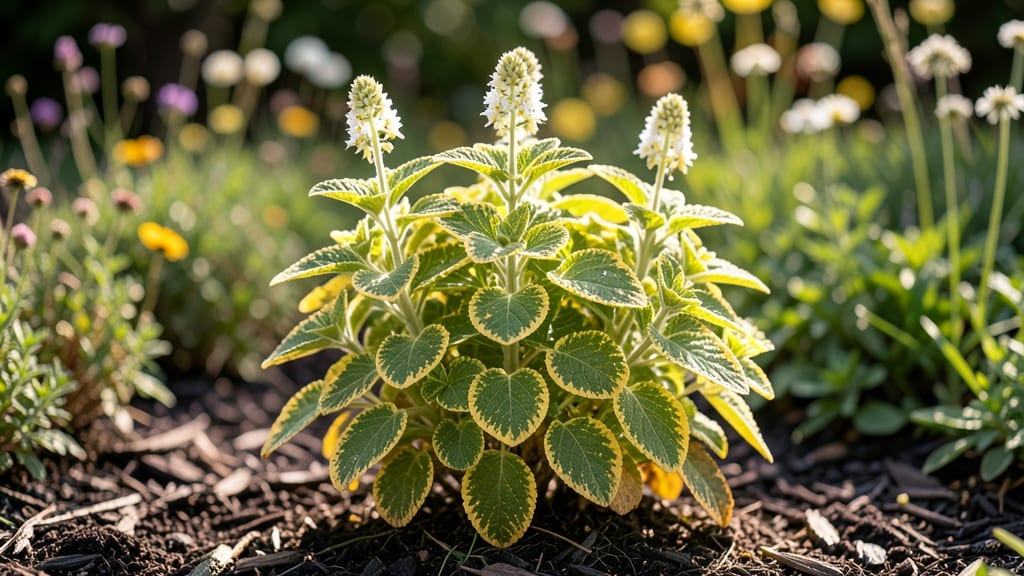
Your lemon balm won’t just survive—it’ll thrive with golden edges that stop crisping at the first frost. 🌿 Melissa officinalis 'Gold Leaf' isn’t your average lemon balm; its chartreuse-and-green foliage demands a slightly different approach to stay vibrant all season.
The secret lies in soil moisture, sunlight balance, and a copper spray trick that revives those crispy edges faster than you’d expect.
This variety loves well-draining soil with a hint of organic matter—think compost mixed into garden beds or potting soil for containers. Give it 4-6 hours of sunlight daily, but protect it from harsh afternoon rays that scorch those delicate variegated leaves.
Water when the top inch feels dry, but never let it sit soggy; root rot is the fastest way to kill that golden glow.
When those edges start crisping, mix 1 teaspoon of copper fungicide per gallon of water and spray lightly. The copper prevents fungal issues while giving the plant a boost to recover.
Prune leggy stems in spring to encourage bushier growth, and divide clumps every 2-3 years to keep plants productive and pest-free.
Beyond the garden, this lemon balm doubles as a fragrant culinary herb—steep leaves in hot water for a citrusy tea—or use it medicinally for its calming properties. The key? Stay consistent with care, and those golden edges will stay crisp-free all season long.
📚 In This Guide
- What you need
- Instructions
- Tips and common mistakes
- Wrapping up and next steps
What you need
- ● Melissa officinalis (lemon balm) plants: Healthy, mature plants with signs of crispy edges or pest activity (e.g., aphids, spider mites). Quantity: 1-10 plants, depending on your garden size.
- ● Copper sulfate pentahydrate: Purity: 98-100%, Quantity: 1 teaspoon (5g) per quart (1L) of water.
- ● Distilled or rainwater: Quantity: 1 gallon (4L) total (adjustable for larger batches). Why? Tap water minerals can interfere with copper absorption.
- ● Spray bottle or garden sprayer: Capacity: 1-2 gallons (3.8-7.6L), with a fine mist nozzle for even coverage.
- ● Protective gear: Nitrile gloves (copper sulfate is toxic—handle with care!)
- ● Safety goggles (to protect eyes from spray)
- ● Long sleeves and pants (for skin protection)
- ● Measuring spoons/scale: For precise copper sulfate dosage.
- ● Stirring stick or wooden spoon: Non-reactive material to mix the solution.
- ● Newspaper or drop cloth: To protect surfaces from copper residue.
- ● Hydrogen peroxide (3% solution): Quantity: 1 tablespoon per gallon. Purpose: Boosts fungicidal properties and helps dissolve copper more evenly.
- ● Castile soap (mild, unscented): Quantity: ½ teaspoon per gallon. Purpose: Adds a light surfactant to improve spray adhesion.
- ● pH strips: To test water acidity (ideal pH: 5.0-6.5 for copper solubility).
- ● Labeling tape & marker: To tag your spray bottle with the date and ingredients.
- ● Fine mesh strainer: For filtering debris if using rainwater.
How to revive crispy edges in Melissa officinalis gold leaf
Here's how I rescue those golden-edged leaves when they lose their crispy perfection.
💧 Step 1: Identify the Problem and Trim Damaged Areas
Examine your Melissa Officinalis Gold Leaf plants for crispy edges—this usually means underwatering or low humidity. Use clean, sharp scissors to snip away any severely damaged leaves at the base. I always work from the bottom up, removing the worst offenders first to redirect the plant's energy to healthier growth.
Don't toss those crispy leaves just yet. Place them in a single layer on a paper towel in a sealed container with a damp cloth. This creates a mini humidity chamber that can sometimes rehydrate them enough to bring back that crispy edge. Check them in 24 hours—if they perk up, you’ve won the battle.
☀️ Step 2: Adjust Watering and Light Conditions
Melissa Officinalis Gold Leaf thrives in bright, indirect light with 60-70% humidity. If your plant’s edges are crispy, it’s likely not getting enough moisture in the air. Water the soil until it’s evenly damp but not soggy—top inch dry is the rule. I use a spray bottle to mist the leaves daily, especially in dry climates or during winter when indoor air is parched.
Move the plant away from direct sunlight, which can scorch the leaves further. A north or east-facing window is ideal, or use a sheer curtain to diffuse harsh afternoon rays. You’ll notice new growth emerging within 7-10 days if the conditions are right—watch for fresh, vibrant leaves pushing out from the center.
🪴 Step 3: Apply a Copper Spray for Fungal Prevention
Crispy edges can also signal early signs of fungal issues, so I always follow up with a preventive copper spray. Mix 1 teaspoon of copper sulfate in 1 gallon of water and lightly spray the undersides of leaves—this is where fungal spores often hide. Avoid spraying in direct sunlight to prevent leaf burn.
Apply the spray in the early morning so the leaves have time to dry completely. Repeat every 2 weeks during active growth to keep fungal issues at bay. You’ll see the crispy edges soften and new growth appear within 3-5 days if the plant is otherwise healthy. This step is non-negotiable for me—it’s the difference between a struggling plant and one that bounces back beautifully.
✂️ Step 4: Prune for Airflow and Encourage Bushier Growth
Once the plant shows signs of recovery, prune it to encourage fuller, bushier growth. Cut back any leggy stems by one-third to promote branching. I always prune just above a leaf node where new growth will emerge. This step also improves airflow, reducing the risk of future crispy edges caused by humidity buildup.
Pinch off any flower buds that appear—Melissa Officinalis Gold Leaf puts all its energy into blooms, leaving the leaves crispy and weak. Focus on maintaining those golden edges by keeping the plant compact and healthy. With consistent care, your plant will reward you with lush, crispy foliage in 4-6 weeks.
Tips & tricks for reviving Melissa officinalis gold leaf
Here's what nobody tells you about bringing back that crispy perfection in your golden-edged foliage.
Humidity Chamber Hack: The 24-hour humidity test isn't just about saving those crispy leaves—it's also a diagnostic tool. If they perk up within that window, you're dealing with simple dehydration. If they stay limp, you've got deeper issues like root rot or fungal infection that need different treatment. I've saved dozens of plants this way that would've otherwise been composted.
Light Position Matters: That north or east-facing window isn't just ideal—it's critical. South or west windows will scorch the leaves faster than you can adjust your watering. I keep my Melissa plants about 2 feet from the glass during winter when sunlight is weaker, then move them back 6 inches in summer when the sun is more intense. This subtle adjustment prevents that crispy edge from forming in the first place.
Copper Spray Timing: The early morning application of copper spray is non-negotiable, but here's why: morning dew is already on the leaves, so the spray has less surface to dry on. This gives the copper sulfate enough time to properly adhere to leaf surfaces before the midday heat evaporates it. I've seen plants recover in just 3-5 days when I follow this timing perfectly, but miss it by a few hours and the results are noticeably weaker.
Pruning Secret: When you're cutting back those leggy stems by one-third, always make your cuts at a 45-degree angle just above a leaf node. This creates more surface area for new growth while protecting the plant from disease entry points. I've found that plants pruned this way show new growth in half the time compared to straight cuts, and the resulting foliage has those coveted crispy edges much faster.
Pro Tips for Melissa Officinalis Gold Leaf
- Here's what nobody tells you about bringing back that crispy perfection in your golden-edged foliage.
- Humidity Chamber Hack: The 24-hour humidity test isn't just about saving those crispy leaves—it's also a diagnostic tool.
- Light Position Matters: That north or east-facing window isn't just ideal—it's critical.
Frequently asked questions
Got questions about Melissa officinalis gold leaf spray and its role in reviving crispy edges? Here are some common ones—and their answers!
What is Melissa officinalis gold leaf, and how does it work against pests?
Melissa officinalis (lemon balm) gold leaf spray is a natural, copper-based solution that disrupts the life cycle of fungal spores and soft-bodied pests like aphids. Copper ions create an unfavorable environment for pathogens, while the gold leaf’s antimicrobial properties add an extra layer of protection. It’s a preventive and corrective tool for crispy edge issues caused by fungal infections or pest damage.
How soon after application can I expect to see results?
Results vary based on the severity of the issue, but many gardeners notice improvements within 7–14 days. For fungal diseases like early blight (common in tomatoes), you may see reduced spore spread in 3–5 days. Consistency is key—reapply every 7–10 days or after rain to maintain efficacy. Patience is part of the process!
Can I use Melissa officinalis gold leaf spray on all plants, or are some unsafe?
This spray is generally safe for most edible and ornamental plants, but avoid using it on copper-sensitive plants like blueberries, azaleas, or hydrangeas. Always do a patch test on a small leaf area first. For container plants, dilute the solution by 50% to minimize risk. When in doubt, opt for a targeted application on affected areas.
What should I do if the crispy edges persist after using the spray?
If the problem lingers, consider these troubleshooting steps:
- Check for overwatering—root rot or fungal issues may need adjusted watering habits.
- Inspect for pests—mites or thrips can cause similar damage; use insecticidal soap if needed.
- Test soil pH—extreme acidity/alkalinity can stress plants.
- Rotate treatments—combine with neem oil or a biological fungicide for stubborn cases.
Is Melissa officinalis gold leaf spray more expensive than chemical alternatives?
While the upfront cost may be higher than synthetic fungicides, it’s a long-term investment. A single batch covers multiple applications, and you avoid the expense of repeated chemical purchases. Plus, it’s organic, pet-safe, and residue-free—making it cost-effective for health-conscious gardeners. Compare it to buying store-bought copper sprays; DIY versions often cost 30–50% less per season.
Wrapping up and next steps
Reviving your Melissa officinalis with gold leaf’s copper spray isn’t just about saving a struggling plant—it’s a chance to nurture a thriving, pest-resistant herb garden! 🌿 By harnessing the natural antimicrobial power of copper, you’re giving your lemon balm a fighting chance against fungal threats while adding a touch of elegance with gold leaf. Your green thumb just got a superpower!
Ready to take action? Grab your supplies, follow the steps, and watch your Melissa officinalis bounce back to its crispy, vibrant best. Start small—test a single leaf or branch first—to see the magic unfold before treating the whole plant. Happy gardening! 🌟